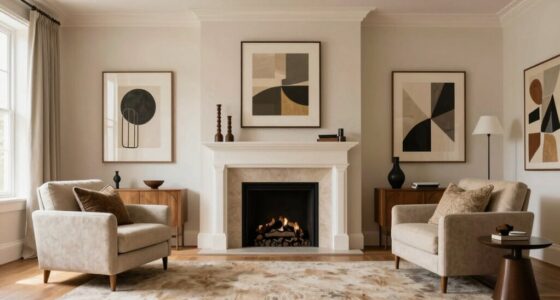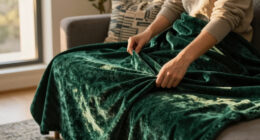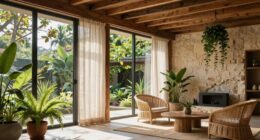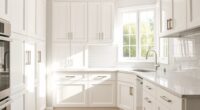
Your environment’s colors and layout play a big role in how you feel. Soft blues and greens can calm your mind, while bold reds and yellows energize you. An open, clutter-free space reduces stress, making you feel more relaxed and focused. Thoughtful design choices can boost your mood and mental well-being by creating a balanced, inviting atmosphere. Discover how the right interior design can transform your space and elevate your mood.
Key Takeaways
- Colors influence emotional states, with calming hues like blue and green promoting relaxation, while reds and yellows energize spaces.
- Open, clutter-free layouts reduce stress and foster feelings of freedom and mental clarity.
- Furniture placement and lighting enhance perceived space, impacting mood and comfort levels.
- Thoughtful integration of color and spatial design supports mental well-being and emotional resilience.
- Environment design that considers psychological principles can counteract feelings of overwhelm and promote happiness.
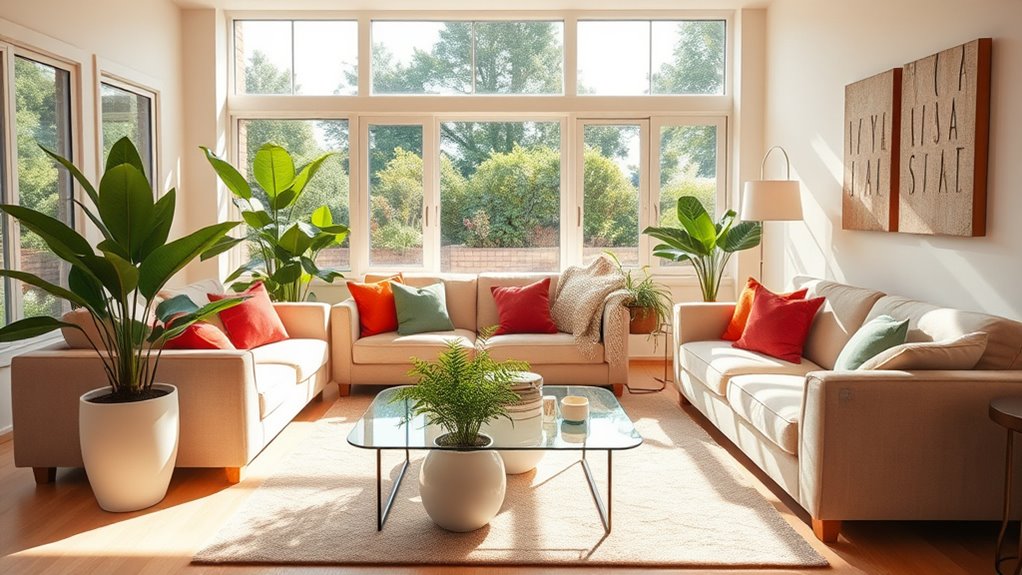
Have you ever wondered how the vast emptiness of space affects your mind? When you think about space, you might imagine endless darkness and silence, but it also influences how you perceive your surroundings right here on Earth. Interior design plays a pivotal role in shaping your mood, and understanding the psychology behind it can help you create spaces that nurture your well-being. Two key elements to consider are color psychology and spatial perception, both of which profoundly impact your emotional state.
Color psychology is the science of how colors influence your feelings and behavior. In interior spaces, color choices can evoke calmness, excitement, or even anxiety. For example, soft blues and greens tend to promote relaxation and serenity, making them ideal for bedrooms or meditation areas. Conversely, bold reds and yellows can energize a room, fostering motivation or stimulating conversation. When designing a space, you should think about how the colors you select align with the mood you want to cultivate. It’s not just about aesthetics — it’s about intentionally shaping your emotional experience through hue, saturation, and brightness.
Spatial perception also plays a fundamental role in how you feel in a room. The way space is arranged can either make you feel confined or liberated. For instance, open layouts with minimal clutter create a sense of freedom and expansiveness, reducing stress and encouraging social interaction. On the other hand, cramped or overly cluttered environments can evoke feelings of anxiety or suffocation. Think about how you perceive the size and flow of a room; clever use of furniture placement, lighting, and mirrors can enhance your sense of space, even in smaller areas. When designing your environment, aim to maximize openness and clarity to foster a positive mental state.
Both color psychology and spatial perception are interconnected, shaping how you interpret and emotionally respond to your environment. A well-designed space considers these factors to promote comfort, productivity, and happiness. For example, a workspace with calming colors and an organized layout can boost your focus and reduce stress, while a cozy living room with warm hues and inviting furniture can make you feel relaxed and at home. By understanding these psychological principles, you can intentionally craft interiors that support your mental health and overall well-being.
Ultimately, the psychology of space is about more than just aesthetics; it’s about creating environments that resonate with your emotional needs. When you pay attention to color choices and spatial arrangement, you’re not just decorating—you’re shaping your mental landscape. In a world where space can sometimes feel overwhelming or isolating, designing thoughtfully can help you find balance, comfort, and a sense of control over your surroundings. Incorporating vertical storage solutions and decluttering strategies can further enhance your space’s psychological benefits, fostering a more peaceful and organized environment.

Framed Soccer Silhouette Sport Theme Canvas Wall Art,Vintage Graffit Football Art Poster,Colorful football wall painting for Boys Bedroom Wall Decor 12X16 inch
✍Framed Graffiti Sports Wall Art Size: Our Painting Soccer Wall Art Comes In 12x16 in Decorate your walls...
As an affiliate, we earn on qualifying purchases.
Frequently Asked Questions
How Does Color Psychology Influence Interior Design Choices?
Color psychology plays a big role in your interior design choices because hue meanings and color symbolism influence how you feel in a space. You might choose calming blues for relaxation or energetic reds to boost motivation. Understanding what different colors symbolize helps you create an environment that supports your mood and needs. By selecting colors thoughtfully, you can craft a space that feels just right for your lifestyle.
Can Lighting Affect Our Emotional Well-Being at Home or Work?
Did you know that natural light can boost your mood by up to 20%? Lighting plays an essential role in your emotional well-being at home or work. When you maximize natural light and incorporate soothing ambient lighting, you create an environment that reduces stress and increases focus. You feel more energized and happier, making your space not just functional but also nurturing for your mental health.
What Role Does Clutter Play in Our Mental Health?
Clutter can substantially impact your mental health by creating feelings of stress and overwhelm. When you focus on storage organization and clutter reduction, you make your space calmer and more manageable. This helps you feel more in control and reduces anxiety. Keeping your environment tidy encourages a clearer mind, boosts your mood, and promotes better focus. Regular decluttering is a simple yet effective way to improve your overall mental well-being.
How Do Different Textures Impact Our Feelings in a Space?
When it comes to textures, you can really set the tone of a space. Wall textures and fabric choices influence your feelings—soft fabrics can make you feel cozy, while rougher textures add energy. Don’t overlook the power of tactile experience; it’s a clear case of “you are what you touch.” By thoughtfully choosing these elements, you create an environment that promotes comfort and positive moods.
Does Room Size Influence Stress Levels and Comfort?
You might notice that room size and proportions directly impact your stress levels and comfort. Larger rooms with balanced proportions often make you feel more relaxed, while small or oddly proportioned spaces can increase tension. Acoustic effects also play a role; a well-designed space minimizes noise, helping you feel calmer. So, pay attention to room proportions and acoustics—they’re key to creating a comfortable, stress-free environment.
Amazon Product B0FL6N6VF2
As an affiliate, we earn on qualifying purchases.
Conclusion
Just like a garden shapes how you feel as you stroll through it, your space influences your mood every day. By understanding the psychology behind interior design, you can craft environments that uplift, calm, or energize you. Small choices—colors, lighting, layout—are powerful tools, so use them wisely. When you create a space that resonates with your needs, you turn your surroundings into a sanctuary, making every moment feel as comforting as a warm hug.

3Pcs Cool Soccer Wall Art Abstract Soccer Sneakers Posters Prints Paintings Neon Boys Football Themed Bedroom Wall Decor Artwork for Boys Room Teen Kids Playroom Decoration 12x16in
Football Wall Decor:3pcs 12x16in30x40cm Contains only the poster without frame
As an affiliate, we earn on qualifying purchases.

DCMVJHZV Soccer Sports Canvas Wall Art Soccer Inspirational Print Wall Decor Vintage Boys Girls Teenager Soccer Room Picture Decor Ready to Hang Home Bedroom Living Room Painting Artwork(12"x16")
Soccer Wall Art: The soccer wall decor prints measure 12 x 16 inches and come with a canvas-covered...
As an affiliate, we earn on qualifying purchases.