TL;DR

Get furniture and decor delivered free with Prime
- Fast, free delivery on millions of items
- Prime Video, Amazon Music and more included
- Member-only deals all year
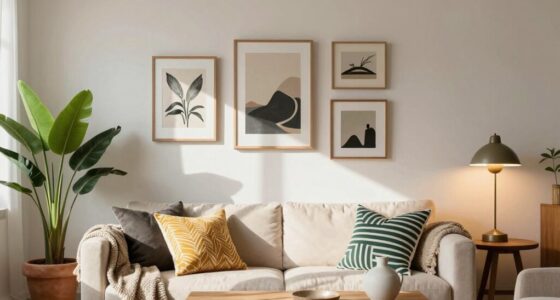
Miles Redd, a celebrated maximalist interior designer, shares that he is increasingly drawn to stripped-back, airy interiors and values the freedom from possessions. This marks a significant shift in his design philosophy, highlighting the growing appeal of minimalism.
Renowned interior designer Miles Redd has publicly stated that he is embracing a more minimalist approach, finding it ‘very freeing not to be attached to the stuff in your home.’ This marks a notable shift from his previous maximalist style and reflects a broader trend toward simplicity in interior design, which matters as it influences both industry aesthetics and personal living philosophies.
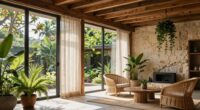
In a recent interview with Homes & Gardens, Miles Redd explained that his taste is shifting toward stripped-back, airy interiors inspired by English country houses. Redd, known for his bold, layered maximalist style, now finds value in minimalism and detachment from possessions, describing it as a form of personal liberation. He attributes this change to his evolving aesthetic preferences and a desire for more simplicity and calm in his environment.
Redd also shared that his upbringing in the South, exposure to historic architecture, and his early work with designer Bunny Williams influenced his appreciation for juxtaposition and eclecticism. However, he now emphasizes the importance of not taking decorating too seriously and learning to let go of material excess as a form of luxury. His reflections suggest a conscious move toward embracing less clutter and more space, both physically and mentally, in his designs and personal life.
Impact of Minimalism on Interior Design Trends
Redd’s openness about shifting from maximalism to minimalism highlights a broader movement within interior design toward simplicity and mental well-being. His perspective may influence industry trends and encourage homeowners and designers to reconsider the value of possessions, emphasizing personal freedom and mental clarity as key benefits of decluttering. This shift also underscores a cultural re-evaluation of materialism in favor of experiential and emotional fulfillment.
As an affiliate, we earn on qualifying purchases.
From Maximalism to Minimalism: Redd’s Design Evolution
Miles Redd has long been celebrated for his maximalist interiors characterized by bold colors, layered textures, and theatrical flourishes. His work, rooted in a love of objects and eclectic juxtapositions, has defined a distinct style within American decorating. Recently, he has publicly acknowledged a shift toward more stripped-back, airy aesthetics inspired by English country houses and a desire to detach from material excess. This change reflects a broader trend of minimalism gaining popularity among designers and homeowners seeking calm and simplicity, especially amid a culture increasingly valuing mental health and decluttering.
“It’s very freeing not to be attached to the stuff in your home.”
— Miles Redd
airy modern living room accessories
As an affiliate, we earn on qualifying purchases.
As an affiliate, we earn on qualifying purchases.
Unclear if This Shift Is Permanent or Context-Dependent
It is not yet clear whether Redd’s move toward minimalism represents a permanent change in his overall design philosophy or if it is a temporary exploration influenced by current trends and personal circumstances. Further statements or projects from him could clarify this evolution.
As an affiliate, we earn on qualifying purchases.
Future Projects and Public Statements on Design Philosophy
Redd is expected to continue exploring minimalist aesthetics in upcoming projects and may further discuss his evolving design philosophy in interviews or social media. Observers will look for whether this shift influences his commercial work or remains a personal preference. His future statements could also shed light on whether this is a broader industry trend or a personal transition.
English country house style decor
As an affiliate, we earn on qualifying purchases.
As an affiliate, we earn on qualifying purchases.
Key Questions
Is Miles Redd abandoning maximalism entirely?
He has publicly expressed a move toward simplicity and minimalism, but it is unclear if he will fully abandon his maximalist roots or incorporate both styles into his work.
What inspired Redd’s shift toward minimalism?
He cites his desire for personal freedom, his evolving aesthetic preferences, and the influence of English country house aesthetics as key factors.
How might this change affect Redd’s future projects?
He may incorporate more minimalist elements into his designs, focusing on space and simplicity, but his signature eclectic style could still influence his work.
Does this reflect a broader trend in interior design?
Yes, many designers and homeowners are increasingly valuing minimalism for its calming effects and the mental clarity it promotes, which Redd’s shift exemplifies.
Is minimalism suitable for all types of homes?
While minimalism offers benefits like reduced clutter and increased calm, its suitability depends on personal taste and lifestyle preferences.
Source: Homes & Gardens
Halloween Picks
halloween
As an affiliate, we earn on qualifying purchases.