
The New Minimalism helps boost your mental health by encouraging you to intentionally declutter your physical space. When you simplify your environment, you reduce mental clutter and unnecessary stimuli, making it easier to focus and feel calm. Practicing mindful choices around possessions and habits promotes emotional clarity, lessening anxiety and overwhelm. Embracing this approach supports healthier boundaries and habits. If you continue exploring, you’ll discover practical ways to transform your space and mindset for lasting well-being.
Key Takeaways
- Intentional decluttering reduces physical and mental clutter, promoting emotional clarity and a calmer mindset.
- Simplifying surroundings supports mindfulness, helping individuals stay present and make conscious decisions.
- A clutter-free environment minimizes stress and anxiety, enhancing overall mental well-being.
- Organized spaces enable better focus on personal goals and foster healthier habits.
- Practicing minimalism reinforces sustainable lifestyle choices that contribute to emotional resilience and self-awareness.

Have you ever wondered how simplifying your life can boost your mental well-being? Embracing the new minimalism isn’t just about decluttering physical space; it’s about making intentional choices that foster emotional clarity. When you focus on mindful consumption, you become more aware of what you bring into your life, whether it’s possessions, habits, or even relationships. Instead of impulsively grabbing things or overcommitting, you pause and consider whether each item or activity truly adds value. This practice helps reduce clutter, both physical and mental, creating a calmer, more focused environment. As clutter diminishes, so does your mental load. You stop constantly processing unnecessary stimuli, which allows your mind to relax and concentrate on what truly matters. Incorporating practical mindfulness techniques can further enhance this process by helping you stay present and avoid overwhelm.
Mindful consumption plays a pivotal role here. When you approach shopping or decision-making with intention, you’re less likely to accumulate things that don’t serve a purpose or bring genuine happiness. This conscious approach prevents the cycle of excess that often leads to feelings of overwhelm and regret. Over time, you notice your emotional clarity improving because you’re not weighed down by clutter or guilt over unnecessary purchases. Instead, you gain a clearer understanding of your needs and values, making it easier to prioritize what genuinely contributes to your well-being. This clarity translates into reduced anxiety, better focus, and a stronger sense of control over your life.
Decluttering isn’t just about tidying up; it’s about creating space for mental peace. When you actively remove items that no longer serve you, you send a message to your subconscious that you value simplicity and intentionality. This shift helps you develop healthier habits and boundaries, making it easier to resist the urge to accumulate things impulsively. As your environment becomes more organized, you’ll find it easier to focus on your goals and emotional health. The act of decluttering can be surprisingly empowering, giving you a sense of achievement and reinforcing your commitment to a minimalist lifestyle. It’s a cycle that promotes ongoing mental clarity, resilience, and a deeper connection with yourself. Recognizing the importance of evidence-based insights can guide you in making sustainable changes that support your mental well-being.

Bagnizer Small Plastic Storage Bins with Bamboo Lids 5.2qt Stackable Box Basket Pantry Decorative Containers Cute with Labels for Organizing Desktop Closet Office Cream White of 6 packs 10*7.2*4.1"
【High Quality Materials】This plastic storage bins with lids are crafted from durable and lightweight plastic and come with…
As an affiliate, we earn on qualifying purchases.
As an affiliate, we earn on qualifying purchases.
Frequently Asked Questions
How Quickly Can I Expect Mental Health Improvements From Decluttering?
You might notice mental health benefits within days or weeks of decluttering, as it reduces mental health triggers like chaos and overwhelm. The benefits timeline varies depending on how much clutter you remove and your personal circumstances. As you create a calmer space, you’ll likely experience increased clarity and reduced stress, making the positive effects feel more immediate. Consistent decluttering can lead to long-term mental health improvements over time.
Does Minimalism Work for Everyone Regardless of Personality Type?
Minimalism can be a different dance for everyone, like fitting puzzle pieces into a unique mosaic. While personality compatibility and individual adaptability influence its success, it often benefits those open to change. If you’re adaptable and willing to experiment, minimalism may help clear mental clutter and boost your well-being. However, if your personality leans toward attachment to possessions, you might need a gentler, personalized approach for best results.
Are There Any Risks Associated With Extreme Decluttering?
Extreme decluttering can pose over decluttering risks, leading you to emotional detachment from possessions that hold personal meaning. You might feel disconnected or overwhelmed, risking loss of comfort and identity. It’s important to set boundaries and declutter intentionally, ensuring you don’t strip away items that provide emotional support or memories. Balance is key to avoiding these risks while enjoying the mental health benefits of minimalism.
How Can I Maintain Minimalism During Life Changes or Crises?
During life changes or crises, you can maintain minimalism by practicing mindful adaptability, adjusting your space and routines to new circumstances without overhauling everything. Focus on what truly matters, and let go of non-essential items gradually. Building emotional resilience helps you stay grounded, making it easier to navigate upheavals while keeping your environment simple and intentional. This approach supports your mental health through ongoing stability and clarity.
What Are Common Misconceptions About Minimalist Lifestyles and Mental Health?
Many believe that minimalism means giving up all possessions or living in stark environments, but that’s a materialism myth. Simplifying doesn’t mean sacrificing comfort; it’s about intentional choices. Stereotypes suggest minimalists are cold or detached, yet many find increased mental clarity and well-being. You can embrace simplicity without losing personality or joy, and doing so often boosts your mental health by reducing clutter and stress.

Fordonral 4 Pack Linen Storage Bins, Storage Containers for Organizing Clothing, Jeans, Toys, Books, Shelves, Closet, Wardrobe – Closet Organizers and Storage, Large Storage Boxes Baskets with Window
【4PCS Linen Storage Boxes with SEE-THROUGH Window】4 pack multifunctional wardrobe organizers to hold clothes, toys, books, and so…
As an affiliate, we earn on qualifying purchases.
As an affiliate, we earn on qualifying purchases.
Conclusion
Embracing minimalism can markedly boost your mental health, helping you feel more focused and less overwhelmed. Did you know that clutter can increase stress levels by up to 40%? By intentionally decluttering, you create a calmer environment that promotes clarity and emotional well-being. So, take small steps today—your mind will thank you for the lighter, more intentional space you create. Minimalism isn’t just about possessions; it’s about making room for a happier, healthier you.

Retrospec Sedona Zafu Meditation Cushion with Buckwheat Hull Fill – Adjustable Yoga & Pilates Equipment Support – 17in Crescent Cotton Cover
NATURAL COMFORT & SUPPORT: Filled with sustainable buckwheat hulls, this meditation cushion elevates your practice by aligning your…
As an affiliate, we earn on qualifying purchases.
As an affiliate, we earn on qualifying purchases.
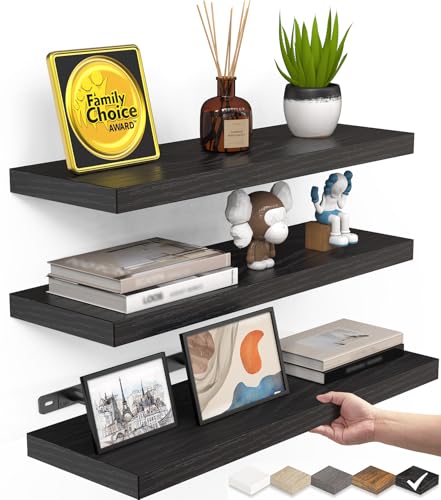
BAYKA Floating Shelves for Wall, Wall Mounted Rustic Wood Shelves for Bathroom, Bedroom, Living Room, Kitchen, Hanging Shelf for Books/Storage/Room Decor with 22lbs Capacity (Black, Set of 3, 15.7in)
Modern and Minimalist Style: Featuring 𝐚 𝐜𝐥𝐞𝐚𝐧, 𝐬𝐥𝐞𝐞𝐤 𝐥𝐨𝐨𝐤 𝐛𝐲 𝐢𝐧𝐯𝐢𝐬𝐢𝐛𝐥𝐞 𝐛𝐫𝐚𝐜𝐤𝐞𝐭, these floating shelves 𝐛𝐥𝐞𝐧𝐝 𝐞𝐟𝐟𝐨𝐫𝐭𝐥𝐞𝐬𝐬𝐥𝐲 𝐰𝐢𝐭𝐡…
As an affiliate, we earn on qualifying purchases.
As an affiliate, we earn on qualifying purchases.