
TL;DR
A Dallas home designed by Scott Parks features no drywall, using alternative sustainable materials like MgO board and sheep’s wool insulation. The project highlights eco-conscious building practices in a residential setting.
A Dallas home has been built entirely without drywall, using alternative materials like MgO board and sheep’s wool insulation, emphasizing sustainability over aesthetics. The project was led by architect Scott Parks and highlights innovative eco-friendly construction practices in a residential setting, drawing attention for its unusual approach and environmental focus.
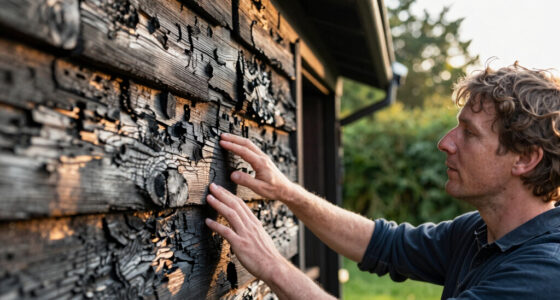
The house, located in the Belmont Addition Conservation District, was designed by architect Scott Parks, who collaborated with Eco Build Lab and regenerative design consultants nRhythm. Instead of traditional drywall, the walls are constructed with MgO board finished in textured lime plaster, and insulation is made from sheep’s wool, a renewable and breathable material. The construction process prioritized eco-conscious choices, including reprocessing demolition waste into new panels and using salvaged materials throughout.
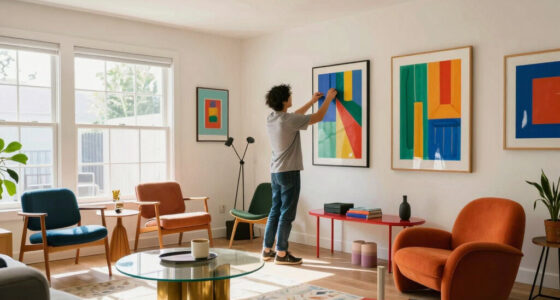
The home’s interior features handcrafted details, such as solid salvaged pine cabinetry, wood-on-wood drawer tracks, and vintage furnishings from the owner’s collection. The kitchen showcases a mosaic backsplash resembling a cloudscape and a custom range hood designed to mimic bird wings, emphasizing artistic craftsmanship alongside sustainability.
Exterior design includes a wide pathway from salvaged stone pavers and a bespoke cedar fence from East Texas, blending environmental responsibility with aesthetic appeal. The homeowner, inspired by off-grid living, views this house as proof that sustainable design can be soulful, textured, and visually striking without conventional materials like drywall.
Environmental Innovation in Residential Construction
This project demonstrates that sustainable building practices can be integrated into residential design without sacrificing style or comfort. By avoiding drywall and using renewable, recycled, and natural materials, the house sets a precedent for eco-conscious homes that prioritize environmental impact and craftsmanship. It highlights a shift toward more thoughtful, low-impact construction methods that could influence future residential projects, especially in urban settings.

QUEENLINK Large White Board for Wall, 36''x24'' Magnetic Dry Erase Board, Decorative Whiteboard with White Vintage Wooden Frame, Hanging Writing Board for Home Office School Dorm
【Vintage Style】Featuring a vintage wooden frame with a sleek line design, this dry-erase board adds a warmer, more…
As an affiliate, we earn on qualifying purchases.
As an affiliate, we earn on qualifying purchases.
Unique Approach to Eco-Friendly Home Building
Traditionally, drywall is a standard material in residential construction due to its affordability and ease of installation. However, recent trends in sustainable architecture are exploring alternatives, such as MgO boards and natural insulation materials. This Dallas project is part of a broader movement toward environmentally responsible building, with a focus on reducing waste and using renewable resources. The homeowner’s inspiration from off-grid living and the collaboration with regenerative design experts reflect a growing interest in resilient, low-impact homes.
“We took each decision as it came, constantly checking our impulses to control the process. The goal was to create a home that feels thoughtfully crafted by human hands, not just built with standard materials.”
— Scott Parks

ROCKWOOL AFB Acoustical Fire Batts, Mineral Wool Insulation, Sound Deadening, Heat Resistant, 2-inch, Case of 6
6 pieces of 24" x 48" x 2" acoustical fire batt mineral wool
As an affiliate, we earn on qualifying purchases.
As an affiliate, we earn on qualifying purchases.
Unconfirmed Aspects of Material Longevity and Cost
It is not yet clear how the long-term durability and maintenance costs of the alternative materials, such as MgO board and sheep’s wool insulation, compare to traditional drywall and insulation. Details on the overall cost and scalability of this building approach remain to be seen.

Construction Materials, Methods, and Techniques: Building for a Sustainable Future
As an affiliate, we earn on qualifying purchases.
As an affiliate, we earn on qualifying purchases.
Potential Influence on Future Eco-Friendly Homes
The project is expected to inspire more homeowners and builders to explore alternative, sustainable materials. Further developments may include broader adoption of non-traditional building methods and additional case studies demonstrating long-term performance. Monitoring how this house performs over time will be key to assessing its viability as a model for eco-conscious residential construction.

POUFGDR Eco-Friendly Reclaimed Wood Storage Cabinet and Sideboard for Living Room Display and Storage with Multicolored Solid Wood Finish and Steel Frame
The sideboard features a mixed-color finish on solid reclaimed wood, creating a distinct appearance with natural variations in…
As an affiliate, we earn on qualifying purchases.
As an affiliate, we earn on qualifying purchases.
Key Questions
Why did the homeowner choose to avoid drywall?
The homeowner and architect aimed to prioritize sustainability by using natural, renewable, and recycled materials, reducing waste, and avoiding conventional construction materials like drywall.
Are the materials used in the house more expensive than traditional options?
While specific costs are not detailed, alternative materials like MgO board and sheep’s wool insulation can be more expensive initially, but may offer savings in durability and environmental benefits over time.
How does the house perform in terms of insulation and climate control?
The use of sheep’s wool insulation, known for its breathability and temperature regulation, suggests good performance, but long-term data is not yet available.
Is this approach scalable for larger or more conventional homes?
The scalability of this construction method remains uncertain, as it involves specialized materials and craftsmanship that may not be widely accessible or cost-effective for all projects.
Will this home serve as a model for future sustainable residential projects?
The project aims to demonstrate the potential of alternative building materials and methods, which could influence future designs if proven durable and cost-effective over time.
Source: Domino