
TL;DR

Get furniture and decor delivered free with Prime
- Fast, free delivery on millions of items
- Prime Video, Amazon Music and more included
- Member-only deals all year
Artists are continuously finding new methods to craft flowers, moving from traditional beads and clay to paper and wood. This development highlights innovation in floral art and craft techniques.
Artists and craftmakers are increasingly exploring new materials and techniques to create floral art, transitioning from traditional beads and clay to paper and wood. This trend reflects ongoing innovation in craft practices and artistic expression, highlighting how makers adapt and evolve their methods.
Recent examples include artists using floral clay to capture various stages of flowering, as well as works incorporating beads, paper, and reclaimed wood to craft intricate flower representations. These efforts demonstrate a broadening of creative possibilities, with artisans experimenting across different mediums to depict flowers in innovative ways.
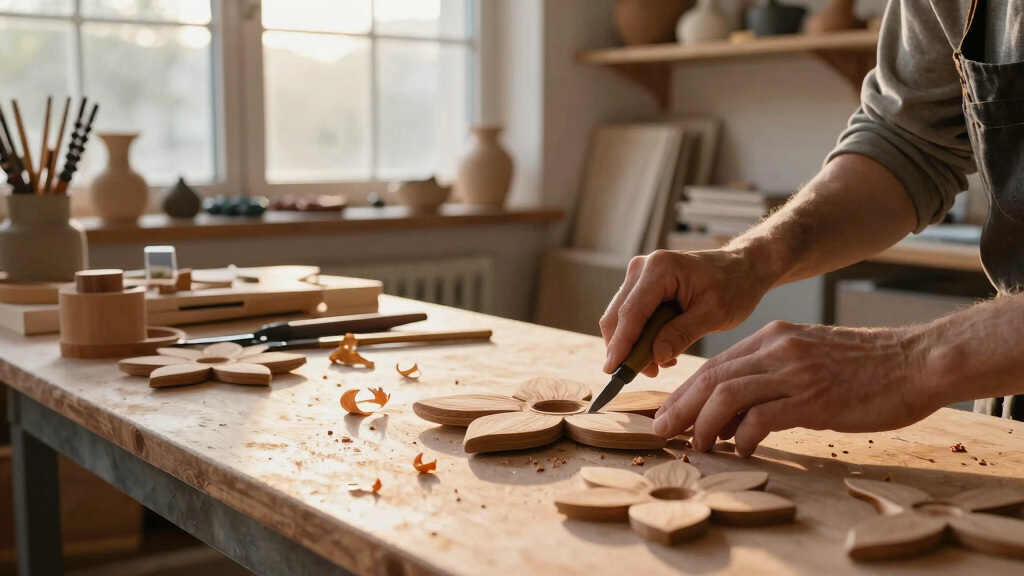
Designboom reports that floral clay offers versatile options, allowing creators to depict multiple flowering stages, while others combine traditional craft with contemporary materials. The shift to paper and wood enables more durable, large-scale, or sculptural floral pieces, expanding the scope of floral art beyond conventional techniques.
While specific artists and projects are gaining recognition, the movement is characterized by a collective push toward material experimentation, with no single dominant technique emerging. Experts note that this ongoing experimentation reflects a broader trend in craft and design communities seeking sustainable, expressive, and accessible methods.
Why Material Innovation in Floral Art Matters
This evolving approach to floral art broadens creative expression and demonstrates the adaptability of artisans in response to new materials and technologies. It highlights a shift toward more sustainable, durable, and diverse representations of flowers, which can influence both artistic practice and commercial design. The trend also underscores how traditional crafts are being reimagined through contemporary mediums, fostering innovation and expanding the cultural relevance of floral art.
Products Worth Considering

Ring Alarm 14-Piece Wireless Security System Kit

Hisense 85 U6 Pro Series Mini-LED ULED 4K UHD HDR Gaming AI Smart Fire TV (85U6SF Pro)

Samsung 85-Inch M70H Series Mini LED 4K Smart TV (2026)
As an affiliate, we earn on qualifying purchases.
Historical and Contemporary Trends in Floral Craft
Traditionally, floral art has relied on natural materials, fabric, and ceramics. Over recent decades, artists have incorporated beads and clay to mimic flowers, often emphasizing realism or stylization. The current movement builds on this history by integrating paper and wood, materials more accessible and adaptable for large or durable installations. Recent years have seen a surge in experimental craft, driven by technological advances and sustainability concerns, encouraging makers to explore unconventional materials for floral representations.
This trend aligns with broader shifts in craft and design, where artists seek to blend traditional techniques with modern aesthetics and eco-conscious practices. The use of reclaimed and natural materials reflects an emphasis on sustainability, while technological innovations facilitate new forms of expression.
“Artists are pushing the boundaries of floral craft by exploring diverse materials, which allows for more expressive and sustainable representations of flowers.”
— an anonymous researcher
Unclear Aspects of Future Floral Material Trends
It is not yet clear how widespread these new techniques will become or whether they will lead to a lasting shift in floral art practices. Specific innovations or artists gaining prominence are still emerging, and the long-term impact on traditional floral craft remains uncertain.
Further developments in material technology and craft communities’ adoption rates are still to be observed, and the influence of commercial markets on these trends is also unclear.
Next Steps for Floral Craft Innovation
Artists and craft communities are expected to continue experimenting with new materials, possibly leading to more large-scale or installation works. Exhibitions, workshops, and collaborations may showcase these innovations, further integrating new techniques into mainstream floral art. Monitoring emerging projects will clarify whether these methods become standard practices or remain niche innovations.
Key Questions
Why are artists shifting from beads and clay to paper and wood?
Artists are exploring more sustainable, durable, and versatile materials that allow for larger, more expressive, and long-lasting floral representations.
Are these new techniques widely adopted?
It is still early to determine how widespread these methods will become, but recent examples indicate growing experimentation among artisans.
What advantages do paper and wood offer for floral art?
They provide durability, scalability, and the ability to create more complex or sculptural floral forms, expanding creative possibilities.
Will traditional floral craft techniques decline?
There is no indication of decline; instead, these new methods are seen as complementary, broadening the scope of floral art rather than replacing traditional techniques.
How might this trend influence commercial floral design?
Innovative materials could lead to new products and displays, emphasizing sustainability and artistic expression in commercial floral arrangements and decor.
Source: designboom