
TL;DR

Get furniture and decor delivered free with Prime
- Fast, free delivery on millions of items
- Prime Video, Amazon Music and more included
- Member-only deals all year
A home with a 100-year-old kitchen, previously covered in carpet, has undergone renovation to preserve its historical character. The update balances tradition with contemporary design, drawing attention to preservation efforts.
A 100-year-old kitchen that was covered in carpet has been renovated to preserve its historical significance, according to the homeowner and local preservationists. The project aims to balance maintaining the home’s original character with modern functionality, highlighting ongoing efforts to conserve historic homes.
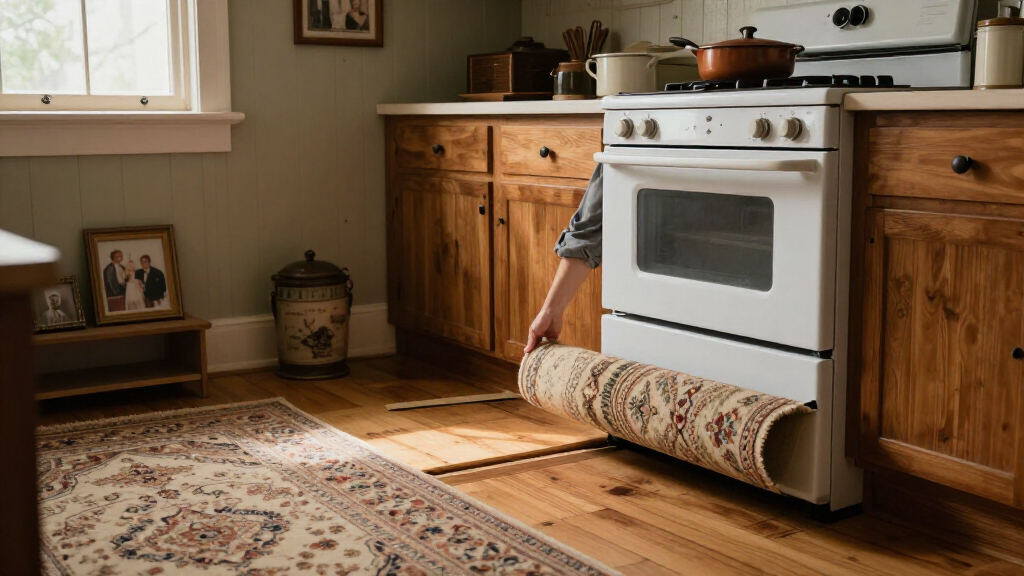
The home, built around 1923, featured a kitchen with an unusual choice for the era: wall-to-wall carpet. The carpet, believed to have been added in the mid-20th century, was removed during recent renovations. Instead of replacing it with modern flooring, the homeowners opted to preserve some original elements, including exposed wooden beams and vintage fixtures, to honor the home’s history.
Local preservationists and interior designers collaborated on the project, emphasizing the importance of maintaining the home’s authentic character. The renovation included restoring original woodwork, installing period-appropriate appliances, and adding subtle decorative touches that reflect the home’s early 20th-century roots. The homeowner expressed pride in blending the past with the present, stating, “We wanted to respect the history of this house while making it functional for today’s needs.”
While some features, like the carpet, were removed for safety and hygiene reasons, the overall design preserves the aesthetic and historical integrity of the original kitchen layout. The project has received positive feedback from community members and preservation advocates, who see it as a successful example of respectful renovation.
Why Restoring a 100-Year-Old Kitchen Matters
This renovation underscores the importance of historical preservation in residential architecture. By maintaining original features and thoughtfully updating key elements, homeowners can retain a home’s unique character while ensuring safety and functionality. Such efforts contribute to cultural continuity and provide educational value for future generations, illustrating the evolution of home design over a century.
The project also highlights a broader trend of re-evaluating outdated interior choices, such as carpeting in historic kitchens, and replacing them with more appropriate, historically sensitive updates. It demonstrates that preservation can be both respectful and practical, encouraging others to consider similar approaches in their own homes.
period-appropriate kitchen appliances
As an affiliate, we earn on qualifying purchases.
As an affiliate, we earn on qualifying purchases.
Historical Homes and Preservation Trends in Modern Renovations
Homes built in the early 20th century often feature design elements now considered outdated or unsuitable, such as carpets in kitchens, which were sometimes added for comfort or insulation. Over time, many homeowners have removed these features, but some choose to preserve or restore original details to maintain historical authenticity.
Recent years have seen increased interest in historic preservation, driven by rising property values and a desire to maintain architectural heritage. Local preservation societies often encourage homeowners to retain original features, advocate for proper restoration techniques, and avoid overly modern modifications that erase historic character.
This particular project aligns with these trends, showing how a balance between preservation and modernization can be achieved without compromising the home’s historical significance.
As an affiliate, we earn on qualifying purchases.
Remaining Questions About the Home’s Original Features
It is not yet clear what other original features, if any, have been lost or altered over the home’s 100-year history. Details about the home’s initial interior design and how much has been preserved are still emerging, and some original fixtures may have been replaced in earlier renovations.As an affiliate, we earn on qualifying purchases.
Next Steps for Preservation and Community Engagement
The homeowners plan to document the renovation process and share their experience with local preservation groups. They also intend to explore further restoration of other original elements, such as the kitchen cabinetry and flooring, to deepen the home’s historical authenticity. Community interest in the project is high, and local agencies may offer guidance or recognition for efforts to preserve architectural heritage.
As an affiliate, we earn on qualifying purchases.
Key Questions
Why was the carpet in the kitchen considered unusual?
Carpet in kitchens was uncommon in the early 20th century and is more typical of mid-20th-century interior trends. Its presence in this century-old home reflects a later modification that is now being reversed to restore historical accuracy.
How did the homeowners decide what to preserve?
The homeowners collaborated with local preservationists and interior designers, focusing on features that reflect the home’s original 1920s character, such as woodwork and fixtures, while removing elements like the carpet for safety and hygiene reasons.
Will the home be open for tours or public viewing?
There is no current plan for public tours, but the homeowners may consider sharing their renovation story through local events or preservation groups to promote awareness of historic home care.
Are there any legal protections for this type of renovation?
Protection depends on local historic district regulations. If the home is designated as a historic property, certain preservation standards must be followed, but this project appears to be a private renovation with voluntary preservation efforts.
What challenges are involved in preserving such an old home?
Challenges include sourcing period-appropriate materials, ensuring structural safety, and balancing modern amenities with historical features. It also requires careful planning to avoid damaging original elements during renovation.
Source: rss
Fall Picks
fall essentials
As an affiliate, we earn on qualifying purchases.