
Reupholstering furniture can be a smart choice if you want to save money and reduce waste. It’s often more affordable than buying new pieces, especially when you choose eco-friendly fabrics. Plus, it adds a personal touch and preserves vintage charm. While the process takes time and effort, the benefits of durability, sustainability, and customized style make it worthwhile. To know if it’s right for you, consider these factors in detail.
Key Takeaways
- Reupholstering reduces waste and supports sustainable living by recycling existing furniture with eco-friendly materials.
- It is often more cost-effective than buying new furniture, especially when considering long-term durability and customization.
- Restoring vintage pieces preserves unique craftsmanship and character, adding aesthetic value and sentimental appeal.
- The process allows personalized fabric choices, enhancing comfort and visual appeal tailored to individual preferences.
- While time-consuming and skill-dependent, reupholstering offers environmental benefits and extended furniture lifespan, making it a worthwhile investment.

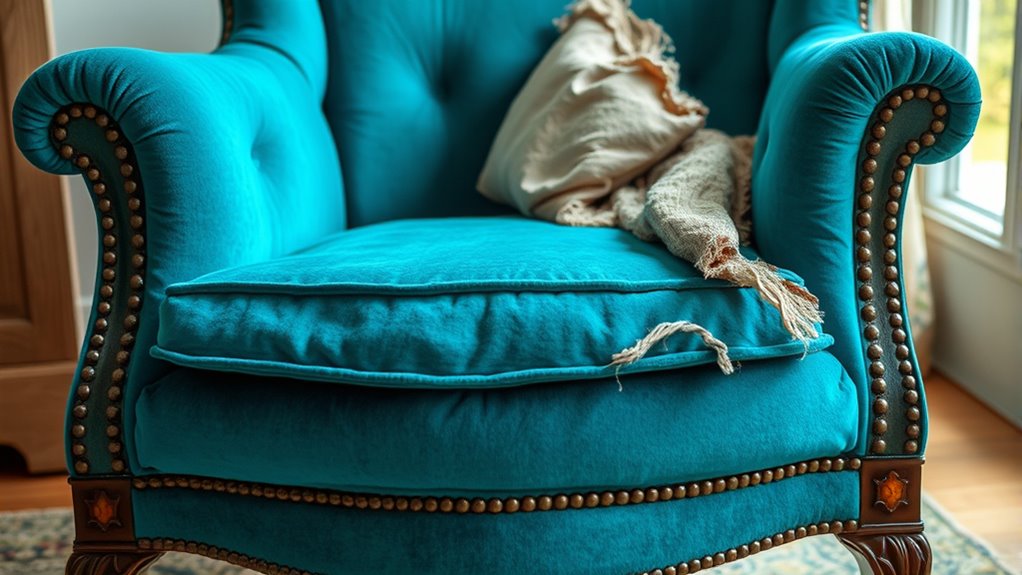
Reupholstering furniture is a practical way to breathe new life into your favorite pieces while saving money and reducing waste. When you choose to reupholster, you’re not just giving an old chair or sofa a facelift; you’re also making a conscious decision to prioritize sustainable materials and embrace vintage restoration. By opting for eco-friendly fabrics and recycling existing furniture, you help minimize the environmental impact associated with manufacturing new pieces. Plus, vintage restoration allows you to preserve unique styles and craftsmanship that aren’t always available in modern furniture, adding character and history to your home.
Reupholstering preserves character, supports sustainability, and revives your favorite furniture pieces with eco-friendly choices.
The cost of reupholstering can vary depending on the piece and materials used, but it’s often much more affordable than buying new furniture. You get to customize the fabric, color, and pattern to suit your taste, which adds a personal touch that mass-produced items can’t match. While the upfront expense might seem high, consider the long-term benefits—well-made reupholstered furniture can last for years, making it a worthwhile investment. Additionally, choosing sustainable materials, like organic cotton, hemp, or recycled fabrics, not only benefits the environment but also ensures your furniture is healthier for your home. These eco-friendly options are often more durable and better for allergy sufferers than synthetic alternatives.
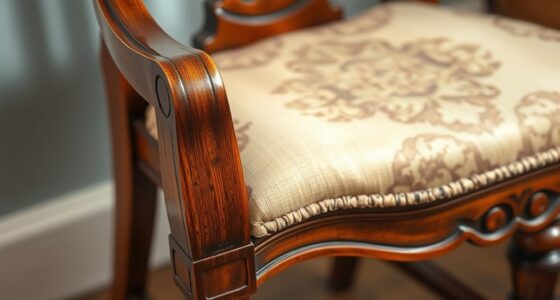
Vintage restoration is another compelling reason to reupholster. Restoring a piece with historical charm can be deeply satisfying, especially when you maintain its original integrity. Often, vintage furniture is built with higher-quality materials and craftsmanship than many modern pieces, meaning it can withstand the test of time when properly cared for. Reupholstering allows you to retain the character of these pieces while updating their comfort and appearance. Beyond aesthetics, restoring vintage furniture reduces waste and lessens the demand for new manufacturing, aligning with sustainable living principles.
When considering reupholstering, it’s also helpful to understand the importance of comfort solutions and how they can extend the lifespan and enjoyment of your furniture. Of course, reupholstering isn’t always a quick fix; it requires time, effort, and some skill—unless you hire a professional. But if you’re passionate about sustainability, customization, and vintage restoration, it’s a rewarding process that pays off in the end. You end up with a unique piece that reflects your style, supports eco-friendly practices, and preserves a little piece of history. When you weigh the cost against the benefits, reupholstering furniture becomes a smart, sustainable choice that offers both practical and aesthetic rewards.
Frequently Asked Questions
How Long Does Reupholstering Typically Take?
Reupholstering furniture typically takes anywhere from a few days to several weeks, depending on the size and complexity of the project. Timing estimates can range from 3 to 6 weeks for custom jobs, while simpler reupholstery might be completed in just a few days. The process duration depends on factors like fabric availability, the condition of the furniture, and the workload of your upholsterer. Planning ahead helps guarantee a smoother turnaround.
Can I Reupholster Furniture Myself Without Professional Skills?
You might consider reupholstering furniture yourself, but be aware of DIY challenges and skill requirements. Without experience, you could struggle with fabric removal, stapling, and sewing, which can lead to uneven results or damage. If you’re patient and enthusiastic to learn, you can tackle small projects with proper tutorials. However, for complex pieces, hiring a professional ensures a polished finish and saves you time and frustration.
What Are the Environmental Benefits of Reupholstering?
You’ll find reupholstering eco-friendly because it promotes waste reduction by giving furniture a new life. Using eco-friendly materials minimizes harmful chemicals and reduces environmental impact. When you choose to reupholster instead of discarding furniture, you help cut down on landfill waste and conserve resources. Plus, this sustainable choice supports a healthier planet, making it a smart and environmentally responsible decision for your home.
How Do I Choose the Right Fabric for Reupholstering?
Did you know that choosing the right fabric can extend your furniture’s life by up to 50%? When selecting fabric, consider durability to make certain it withstands daily wear, and think about color coordination to match your decor. Look for fabrics labeled for high durability, like microfiber or leather, and pick shades that complement your space. This way, your reupholstered piece stays beautiful and functional for years to come.
Does Reupholstering Increase Furniture Resale Value?
Reupholstering can boost your furniture’s resale value by enhancing furniture durability and updating its style. When you choose the right fabric through careful material selection, your piece becomes more appealing to buyers. This process not only prolongs your furniture’s life but also makes it more attractive in the resale market. So, if you invest wisely, reupholstering can be a smart way to increase your furniture’s overall value.
Conclusion
So, is reupholstering worth it? Think of it as giving new life to your beloved furniture, turning old charm into fresh style. Yes, it costs, but the benefits—personalized comfort, preservation of memories, and eco-friendliness—often outweigh the expense. It’s a small investment for a big payoff, transforming a worn piece into a timeless treasure. Ultimately, reupholstering isn’t just a repair; it’s a chance to rewrite your furniture’s story, one stitch at a time.