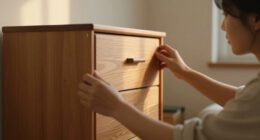
To protect your furniture from sun damage and fading, use window treatments like UV-blocking curtains, blinds, or films that snugly cover entire windows. Layering options such as curtains plus blinds offer better defense, and applying UV protective sprays adds extra help. Rearrange furniture periodically, use slipcovers, or position pieces away from direct sunlight. If you want to discover more effective tips and strategies, there’s plenty to explore to preserve your furniture’s appearance and longevity.
Key Takeaways
- Install UV-blocking window treatments like curtains, blinds, or films to prevent sunlight from reaching furniture.
- Use layered coverings such as curtains combined with blinds for enhanced UV protection.
- Rearrange furniture periodically and apply UV protective sprays to minimize prolonged exposure.
- Position furniture away from direct sunlight or use sheer curtains to diffuse harmful rays.
- Maintain and replace UV protective products as recommended to ensure continuous protection.

Sunlight can quickly cause your furniture to fade, crack, and weaken over time, but you can safeguard your investment with simple precautions. One of the most effective ways to do this is by incorporating UV protection into your home. UV rays from the sun are responsible for much of the damage, breaking down the fibers and colors of your furniture. To combat this, look for window treatments that offer UV protection, such as UV-blocking curtains, blinds, or films. These treatments act as a barrier, filtering out harmful rays before they reach your furniture, substantially reducing fading and deterioration.
Protect your furniture by using UV-blocking curtains, blinds, or films to reduce sun damage and maintain its beauty.
When choosing window treatments, opt for options specifically designed with UV protection in mind. Cellular shades, for example, not only insulate but also block a large percentage of UV rays, making them an excellent choice. Solar shades and reflective films are also highly effective, especially if you want to maintain natural light while protecting your furnishings. Installing these treatments properly is key; ensure they fit snugly and cover the entire window to prevent sunlight from sneaking in around the edges. Additionally, consider layering window treatments—for instance, combining curtains with blinds—to enhance UV protection and give you more control over sunlight exposure throughout the day.
Beyond window treatments, you can take other steps to shield your furniture. Regularly rearranging your furniture can prevent prolonged exposure in one spot, reducing the risk of uneven fading. Applying UV protective sprays or finishes directly to your furniture can create an extra layer of defense. These products are designed to absorb or block UV rays, helping to preserve the original color and structure of your pieces. Keep in mind, however, that some sprays may require reapplication over time, so check the manufacturer’s instructions. Using indoor plants strategically placed near windows can also help absorb some UV rays and diffuse sunlight, providing an additional layer of protection for your furnishings.
Another practical tip is to use furniture covers or slipcovers, especially during peak sunlight hours. These covers act as a physical barrier, preventing direct sunlight from hitting the surface. When possible, position your furniture away from windows or areas with intense sunlight. If moving furniture isn’t feasible, use sheer curtains or window films during the brightest parts of the day to diffuse the sunlight. Combining these strategies with UV-protective window treatments creates a thorough defense against sun damage.
Protecting your furniture from sun damage isn’t just about maintaining its appearance; it’s about extending its lifespan. By investing in UV protection and carefully choosing window treatments, you can enjoy natural light without sacrificing the durability and beauty of your furnishings. With consistent precautions, you’ll keep your furniture looking vibrant and intact for years to come.
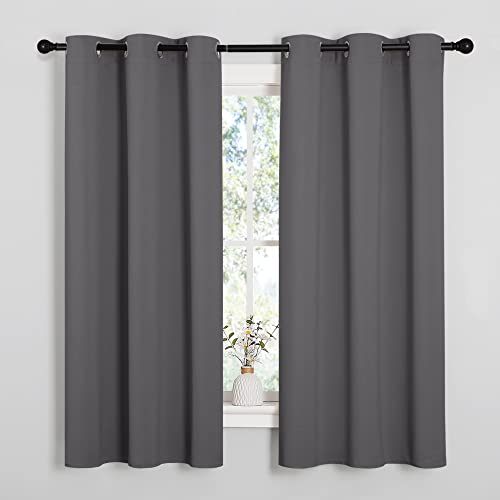
NICETOWN Thermal Insulated Grommet Blackout Curtains for Bedroom (2 Panels, W42 x L63 -Inch, Grey)
- Set Includes: 2 blackout curtains, 42×63 inches each
- Grommet Design: 6 grommets per panel for easy hanging
- Light Blocking: Blocks 85%-99% of light and UV rays
As an affiliate, we earn on qualifying purchases.
As an affiliate, we earn on qualifying purchases.
Frequently Asked Questions
Can UV Film on Windows Prevent Furniture Fading?
Yes, UV film on windows can prevent furniture fading. These window films provide effective UV protection by blocking harmful rays that cause fading and damage. When you install high-quality UV protection window films, you reduce the sun’s impact on your furniture, keeping its color and finish vibrant longer. It’s an easy, affordable way to shield your belongings from sun damage and preserve their appearance over time.
Do Certain Fabrics Resist Sun Damage Better Than Others?
Certain fabrics do resist sun damage better than others because of their fabric durability and textile treatments. You’ll find that tightly woven, synthetic fabrics like polyester and acrylic tend to hold up longer under sun exposure. Additionally, fabrics with special UV-resistant treatments provide extra protection. When choosing furniture, look for these options to help prevent fading and damage, ensuring your pieces stay vibrant and durable over time.
How Often Should I Reapply Protective Coatings on Furniture?
Think of your furniture as a shielded knight, needing regular armor checks. You should reapply protective coatings every 1-2 years, depending on sun exposure and wear. Just as armor needs reinforcement after battles, your furniture benefits from timely reapplication of protective coatings to keep it vibrant. Keep an eye on fading or damage—these signs indicate it’s time for a fresh coat, ensuring your furniture stays resilient and beautiful.
Are There Specific Plants That Can Block Sunlight Effectively?
If you’re looking for plant barriers to block sunlight effectively, shade trees are your best option. They provide natural coverage and reduce direct sun exposure, protecting your furniture. You can also consider planting fast-growing shrubs or tall perennial plants around your outdoor space. These shade trees and plant barriers not only shield your furniture from harsh sunlight but also add beauty and greenery to your yard.
What Are the Best Indoor Lighting Options to Minimize Fading?
You might notice your furniture fading faster than expected, and it’s no coincidence. To minimize this, choose indoor lighting options that prioritize UV protection and lighting optimization. Use LED or incandescent bulbs with UV filters, and avoid direct sunlight or harsh fluorescent lights. These choices help preserve your furniture’s color and quality, ensuring your home stays vibrant and beautiful for years to come. Proper lighting truly makes a difference.
UV protective furniture slipcovers
As an affiliate, we earn on qualifying purchases.
As an affiliate, we earn on qualifying purchases.
Conclusion
Did you know that sunlight can cause your furniture to fade by up to 82% in just a few years? To keep your furniture looking vibrant, always use UV-protective window films or curtains, and rotate your pieces regularly. Taking these simple steps can considerably extend the life of your furniture and maintain its beauty. Don’t wait until it’s too late—protect your investment today and enjoy fresh, bright furniture for years to come.
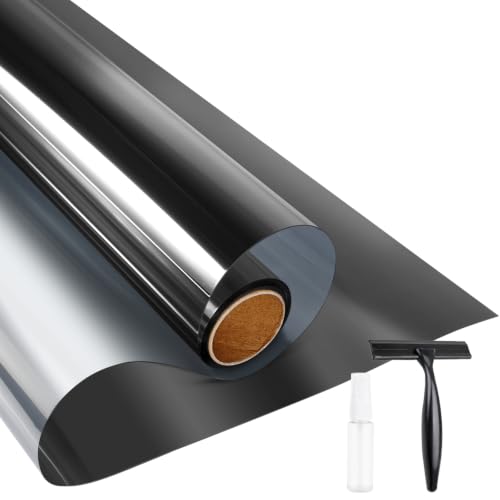
KESPEN Window Film One Way Daytime Privacy Heat Control Anti UV Non-Adhesive Reflective House Window Tint for Home and Office, Black-Silver, 35.4 Inch X 8.2 Feet
- Daytime Privacy Protection: Provides privacy during daytime with mirror effect
- UV and Glare Blocking: Blocks 82% infrared and 90% UV rays
- Heat Control and Energy Saving: Reflects heat to reduce cooling and heating costs
As an affiliate, we earn on qualifying purchases.
As an affiliate, we earn on qualifying purchases.
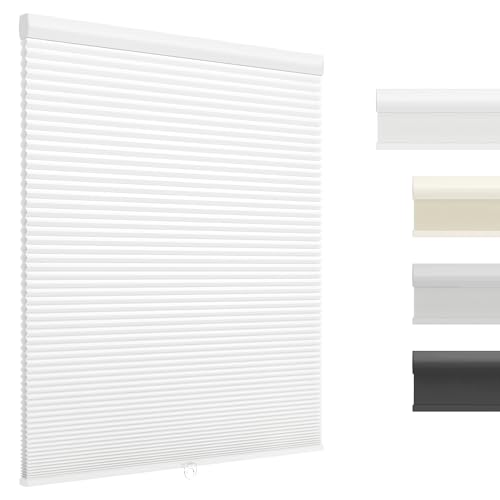
UNISHADES Light Filtering Cordless Cellular Shades, 27×48 in, White
- Expertise Since 1878: Over 100 years of window covering experience
- Size Selection Guide: Follow specific inside and outside mount sizing instructions
- Light-Filtering Honeycomb Fabric: Diffuses sunlight, reduces glare and UV exposure
As an affiliate, we earn on qualifying purchases.
As an affiliate, we earn on qualifying purchases.