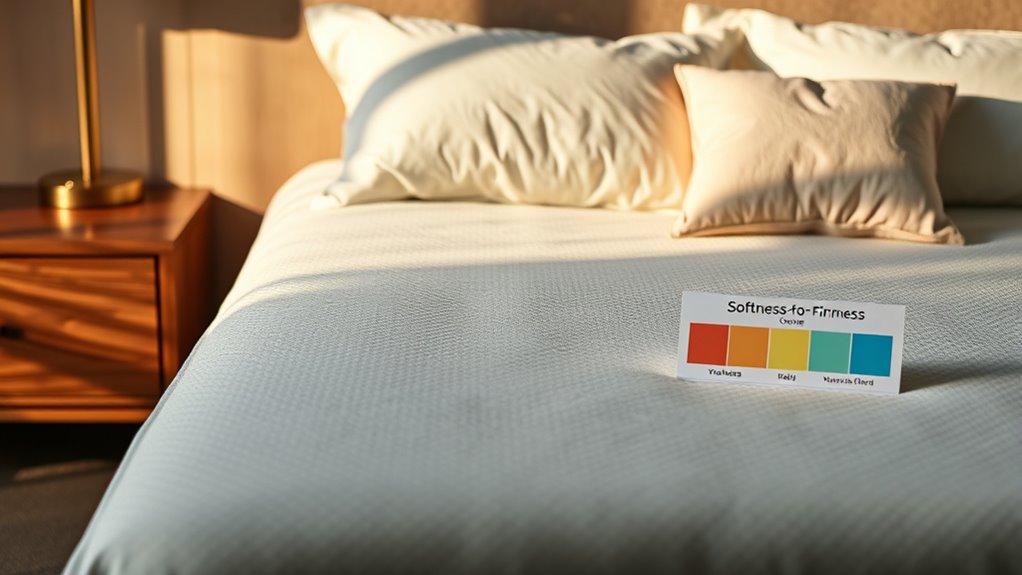

Choosing the right mattress firmness depends on your sleep position, body weight, and personal comfort preferences. Side sleepers typically prefer softer surfaces to cushion shoulders and hips, while back sleepers may need medium firmness for proper spinal alignment. If you’re heavier, a firmer mattress prevents sinking, but lighter sleepers often enjoy softer feels. Matching firmness with your needs reduces discomfort and improves sleep quality. Keep exploring further to discover how to find your perfect support level.
Key Takeaways
- Determine your sleep position to choose a firmness level that supports spinal alignment and reduces pressure points.
- Consider your body weight, with heavier sleepers generally preferring firmer mattresses for better support.
- Understand mattress materials, such as memory foam or innerspring, and how they influence firmness and comfort.
- Test different firmness levels through in-store trials or sleep trials to find what feels most comfortable.
- Prioritize overall support and comfort to improve sleep quality and minimize discomfort or pain.

Are you unsure how to choose the right mattress firmness for your sleep needs? Finding the perfect balance can feel overwhelming, but understanding your sleep posture and how mattress materials influence comfort can help you make an informed decision. Your sleep posture — whether you’re a back sleeper, side sleeper, or stomach sleeper — plays a vital role in determining the firmness level that will support your body best. For example, side sleepers often benefit from a softer mattress that cushions the shoulders and hips, while back sleepers might prefer a medium firmness that maintains spinal alignment. Stomach sleepers, on the other hand, typically need a firmer surface to prevent the hips from sinking too deeply, which can cause strain.
Choosing the right mattress firmness depends on your sleep position and comfort preferences.
When considering mattress materials, think about how they affect firmness and comfort. Memory foam tends to conform closely to your body’s shape, offering pressure relief and a softer feel, which is ideal for side sleepers or those who prefer a plush experience. However, some memory foam mattresses can feel too soft or too firm depending on the density and thickness of the foam used. In contrast, innerspring mattresses often provide a more bouncy, supportive feel, which can be customized with different coil gauges and padding layers to achieve a firmer or softer feel. Hybrid mattresses combine these materials, giving you the benefits of both support and comfort, allowing you to find a firmness level that suits your sleep posture and personal preference.
Your body weight also influences how mattress materials feel. Heavier individuals may prefer firmer mattresses to prevent excessive sinking, while lighter sleepers might find softer beds more comfortable, as they allow for better contouring without feeling too firm. The key is to test different firmness levels in relation to your typical sleep position and body type. If you tend to shift positions at night, look for a mattress that provides a balance across firmness levels, ensuring consistent support regardless of your sleeping posture. Additionally, understanding the refrigeration cycle concept can help you appreciate how support and comfort layers work together to optimize sleep quality.
Ultimately, choosing the right mattress firmness involves considering your sleep posture, preferences, and the materials that best support your body’s needs. Don’t be afraid to test different options, whether in-store or through trial periods offered by many brands. Remember, a mattress that aligns with your sleep posture and suits your preferred materials will contribute profoundly to restful, pain-free sleep. Take the time to evaluate these factors, and you’ll find a mattress that feels just right, helping you wake up refreshed every morning.
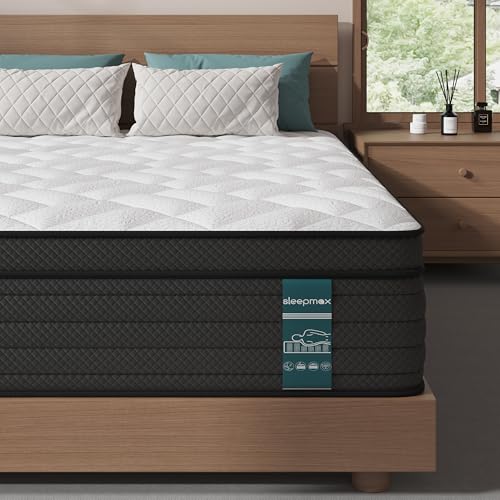
Sleepmax Queen Mattress 14 Inch – Enhanced Deep Sleep Hybrid Mattress for Pressure Relieving – Cooling Bed in a Box for Back & Side Sleepers – CertiPUR-US Certified, 365-Night Trial, Fiberglass-Free
- Pain Relief & Motion Isolation: Supports spine and reduces movement transfer
- Balanced Comfort & Support: Euro top with foam and coil layers
- Non-Toxic & Skin-Friendly: CertiPUR-US, OEKO-TEX certified, fiberglass-free
As an affiliate, we earn on qualifying purchases.
As an affiliate, we earn on qualifying purchases.
Frequently Asked Questions
How Often Should I Replace My Mattress for Optimal Firmness?
You should replace your mattress every 7-10 years to maintain ideal firmness and support. Over time, mattress durability declines, leading to sagging and uneven surfaces that affect firmness maintenance. Regularly assess how your mattress feels; if it no longer provides the comfort you need, it’s time for a replacement. Doing so helps ensure you wake up refreshed, with proper support and consistent firmness for better sleep quality.
Can Firmness Levels Affect My Sleep Quality Long-Term?
Firmness levels can considerably impact your sleep quality long-term. If your mattress isn’t suited to your sleep patterns, you might experience disrupted sleep or poor muscle recovery. Over time, an unsupportive mattress can lead to aches and restless nights, affecting your overall rest. Choosing the right firmness helps maintain proper spinal alignment and supports muscle recovery, ensuring you wake up refreshed and ready for the day.
Are There Mattress Types Better Suited for Specific Firmness Preferences?
When it comes to choosing a mattress type for your firmness preference, you’re really spoiling the milk. Memory foam mattresses often come in softer to medium firmness, contouring your body for pressure relief. Innerspring mattresses tend to be firmer, offering support and bounce. Your choice depends on whether you prefer a plush feel or a more supportive, traditional feel. Picking the right type guarantees comfort and restful sleep tailored to your needs.
How Does Body Weight Influence the Ideal Mattress Firmness?
Your body weight affects how a mattress feels, especially regarding pressure points and spinal alignment. If you’re lighter, a softer mattress can help lessen pressure points and support proper alignment. Heavier individuals might prefer a firmer mattress to prevent sinking and maintain spinal alignment. Ultimately, choosing the right firmness ensures your body gets proper support, reduces discomfort, and promotes restful sleep.
Can Adjustable Beds Help Customize Firmness Throughout the Night?
Adjustable beds let you customize your comfort, helping you find the perfect firmness throughout the night. You can adjust for ideal support, reduce pressure points, and improve sleep quality. Plus, features like sleep tracking can monitor your movements and suggest adjustments, while mattress warranties ensure your investment stays protected. Whether you prefer a firmer or softer feel at different times, adjustable beds give you the flexibility to enhance your sleep experience.
![Zinus 12 Inch Green Tea Cooling Memory Foam Mattress [New Version], Queen, Fiberglass Free, Medium Firmness, Cooling Gel Foam, Certified Safe Foams & Fabric, Mattress in A Box](https://m.media-amazon.com/images/I/51qTf6ltNzL._SL500_.jpg)
Zinus 12 Inch Green Tea Cooling Memory Foam Mattress [New Version], Queen, Fiberglass Free, Medium Firmness, Cooling Gel Foam, Certified Safe Foams & Fabric, Mattress in A Box
- Cooling Gel Memory Foam: Keeps you cool and comfortable
- Eco-Friendly Packaging: Ships in a smaller, eco-conscious box
- Pressure-Relieving Support: Conforms to body for support and circulation
As an affiliate, we earn on qualifying purchases.
As an affiliate, we earn on qualifying purchases.
Conclusion
Choosing the right mattress firmness is like finding the perfect pair of shoes – it should feel just right under your feet. When you pick the right level of comfort, sleep becomes your sanctuary, not a battle. Trust your instincts and test different options until you find that sweet spot where your body feels supported and relaxed. Remember, a good mattress is the foundation for better days, so don’t settle for anything less than perfect comfort.
Sleepmax Extra Firm Queen Mattress 12 Inch – Deep Sleep Hybrid Mattress Enhanced Pain Relief – Cooling Bed in a Box for Back & Side Sleepers – Fiberglass-Free, CertiPUR-US Certified, 365-Night Trial
- Pain Relief & Motion Isolation: Supports spine and reduces movement transfer
- Balanced Comfort & Support: Euro top with foam and coil layers
- Non-Toxic & Skin-Friendly: CertiPUR-US and OEKO-TEX certified, fiberglass-free
As an affiliate, we earn on qualifying purchases.
As an affiliate, we earn on qualifying purchases.
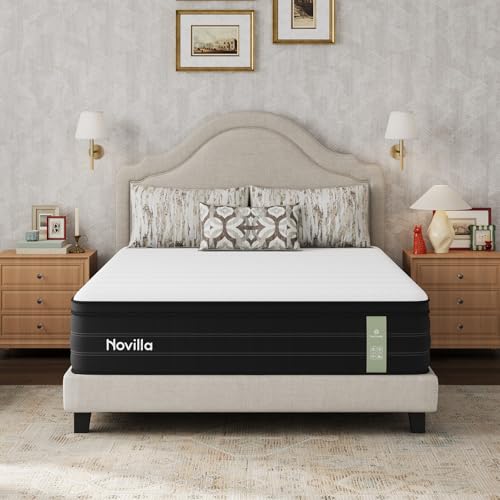
Novilla 12 Inch Queen Mattress, Cooling Queen Hybrid Mattress with Upgraded Individual Coils & Gel Memory Foam, Enhanced Support, Motion Isolation, Pressure Relief, CertiPUR-US
- Enhanced Support with Upgraded Coils: Thicker wire gauge and more coils for firmness
- Balanced Support System: SmartS Coil and memory foam for ergonomic support
- Pressure Relief and Spine Alignment: Relieves pressure points and maintains natural spine position
As an affiliate, we earn on qualifying purchases.
As an affiliate, we earn on qualifying purchases.