
TL;DR

Get furniture and decor delivered free with Prime
- Fast, free delivery on millions of items
- Prime Video, Amazon Music and more included
- Member-only deals all year
An Ideal Home contributor has outlined five steps they are taking to make a cold hallway more comfortable in an older, poorly insulated home. The report describes recent door draught-proofing and expert suggestions; it does not yet establish how effective the changes will be or provide measured energy savings.
An Ideal Home contributor has shared five steps they are taking to make a cold hallway more comfortable, after describing how an older, poorly insulated home leaves its entrance especially chilly. The measures include checking for draughts, adding a floor runner and reviewing radiator placement, but the report says it is too early to know how much the recent door work has helped.
The contributor says the house is more than 100 years old and has original windows and doors, with limited insulation and draught-proofing. While newer parts of the property feel warmer, the entrance hallway becomes particularly cold when outdoor temperatures fall. The writer says they recently fitted a letterbox cover, door-bottom brush seal and weatherstripping to the front door.
The first proposed step is to find and seal draughts around the door, frame, letterbox and other overlooked areas, including under-stairs cupboards. Martyn Fowler, founder of Elite Renewables, advises checking these spots by hand for incoming cold air. He cautions against sealing ventilation that is intentional. Georges Cornah, owner of Warm4Less, also recommends a low-cost draught excluder at the foot of a door.
The next two measures concern the floor and heat source. The contributor says the hallway’s slate tiles are durable but cold underfoot; Fowler suggests a runner as a less disruptive option than replacing hard flooring. Patrick Garner, a Gas Safe engineer at Heatable, says carpet and underlay may help, while insulation beneath the floor could have a larger effect where heat is being lost. The contributor also plans to assess a radiator partly obstructed by coats. The supplied report identifies five planned actions, but its available text ends during the radiator discussion and does not provide full details of the final two.
Practical fixes for a cold entrance
A chilly hallway affects the comfort of a frequently used part of the home, particularly when residents arrive from outdoors or move between rooms. The suggestions range from low-cost, reversible changes, such as sealing gaps and laying a runner, to larger work such as floor insulation. That distinction matters for homeowners deciding what can be tried quickly and what may need to wait for renovation.
The report is based on one contributor’s home and expert advice, not a controlled test. It gives no temperature readings, energy-bill comparisons or estimates of the savings from any measure. Readers should treat the steps as practical options rather than proven results for every property; causes of heat loss vary by building and hallway.
As an affiliate, we earn on qualifying purchases.
An older home with cold floors
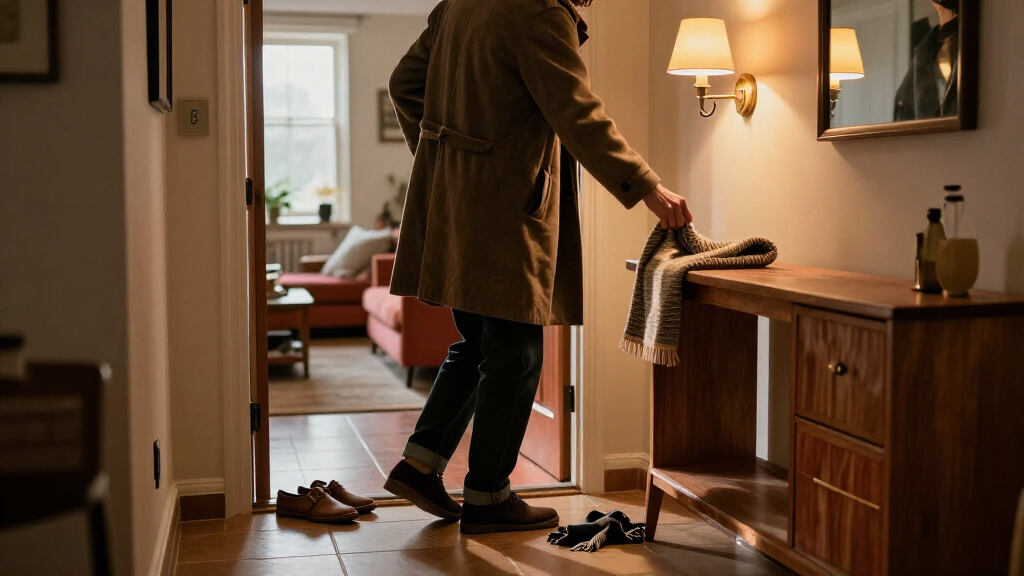
The contributor links the hallway’s temperature to the property’s age, original doors and windows, and a lack of substantial insulation and draught-proofing. They say newer areas of the house, including an extension and a bedroom, are generally warmer. The hallway has slate flooring and a column radiator, with coats hanging nearby.
The article’s advice comes from three named specialists: Fowler, whose work focuses on renewable heating; Cornah, an infrared-heating specialist; and Garner, a Gas Safe engineer. Their comments address different potential problems—air leakage, cold-feeling flooring and heat distribution—rather than identifying a single confirmed cause in the contributor’s hallway.
“The front door is always the first place I check for draughts.”
— Martyn Fowler, founder of Elite Renewables
As an affiliate, we earn on qualifying purchases.
Results and remaining measures
The contributor says it is too early to judge the effect of the door-sealing work. The report supplies no measurements of hallway temperature before or after the changes, no energy-use data and no cost estimates. It also does not establish whether draughts, the cold slate, radiator placement or inadequate insulation is the main cause of the room’s low temperature.
The source text provided for this report cuts off while describing the radiator, before setting out the full fifth measure. The contributor’s headline promises five actions, but the available material does not confirm the complete list or report that all five have been carried out. Advice on sealing gaps also depends on distinguishing unwanted draughts from ventilation required by the building or its appliances.
As an affiliate, we earn on qualifying purchases.
Testing changes before winter
The contributor says they want to put more measures in place before colder weather and plans to address floor insulation when the hallway is remodelled next year. The next practical steps described are to monitor the recently sealed door, check for remaining draughts and consider a runner or other floor covering. The source does not give a schedule for the radiator review or the remaining measures.
Whether the changes improve comfort or reduce heating demand remains to be seen. Any work involving heating appliances or changes that could affect ventilation should be assessed by an appropriately qualified professional; the report does not say that such work has been undertaken.
As an affiliate, we earn on qualifying purchases.
Key Questions
What has the contributor already done to the hallway door?
The contributor says they fitted a letterbox cover, a brush seal beneath the door and weatherstripping. They had not yet determined how much difference those changes made.
What is a low-disruption way to make a cold tiled floor feel warmer?
Martyn Fowler recommends trying a runner over an existing hard floor rather than replacing it just for comfort. Patrick Garner also mentions carpet and underlay as options.
Could floor insulation help more than a rug?
Garner says insulation beneath the floor can make a bigger difference in older homes when significant heat is being lost. The report does not assess the contributor’s floor or quantify likely results, so suitability depends on the property.
Does the report show that these steps will cut energy bills?
No. It gives no bill data, temperature readings or measured energy savings. The contributor says it is too soon to assess the recently completed door work.
What are the full five measures?
The available source text details draught-proofing, changing or covering cold flooring, and reviewing radiator position and obstruction. It cuts off during the radiator section, so the remaining actions cannot be confirmed from the material provided.
Source: rss
Halloween Picks
halloween
As an affiliate, we earn on qualifying purchases.