
TL;DR

Get furniture and decor delivered free with Prime
- Fast, free delivery on millions of items
- Prime Video, Amazon Music and more included
- Member-only deals all year
A Livingetc report asks interior designers whether butter yellow can last beyond its current popularity. They disagree: some see a versatile, enduring color, while others say its popularity may fade if it is used too widely; the report points to deeper, warmer, earthier shades as possible next steps.
Interior designers are divided on whether butter yellow will remain a lasting home color or lose ground as the trend cycle moves on, according to a Livingetc report looking ahead to 2027. The designers say its warmth and flexibility support continued use, but identify deeper, earthier colors as potential successors to the popular pale shade.
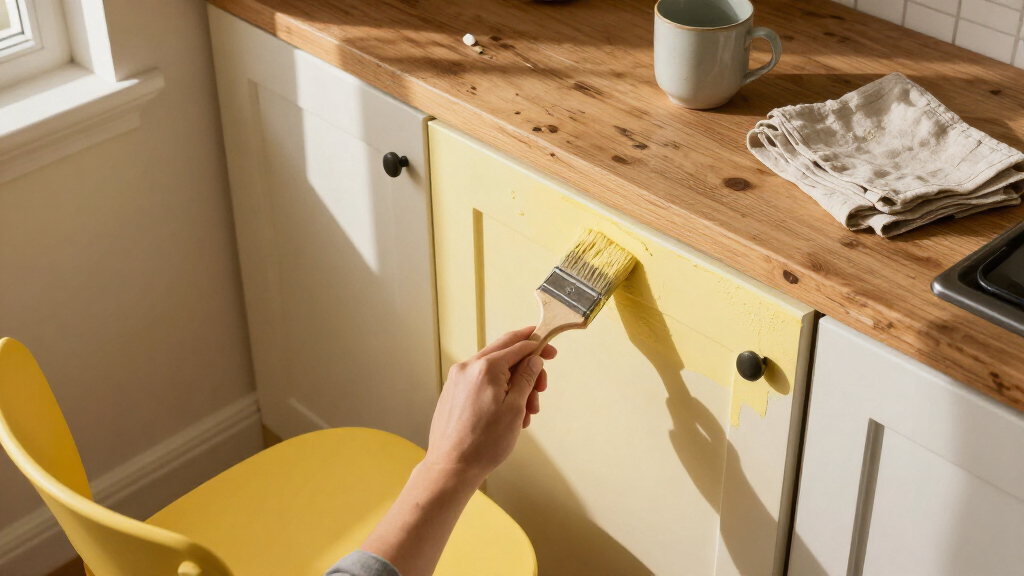
Designers interviewed by Livingetc describe butter yellow as a color that can work between a traditional neutral and a more noticeable accent. Ailsa MacConnell of Edinburgh-based Studio Mac said the shade offers warmth without the intensity of brighter yellows. Laura Stephens said its softer appearance can bring more personality than cream while complementing warm timber, natural stone, aged brass and patterned fabrics.
The designers do not agree that the specific shade is timeless. MacConnell said butter yellow has appeared in interiors across different periods and does not view its current popularity as fleeting. Stephens drew a distinction between the color’s potential longevity and the way it is used: she said a widely popular shade can feel overexposed when applied too literally or throughout a home.
Other designers framed longevity as a matter of personal taste and execution. Color consultant Charlotte Cropper said a color can feel enduring to someone who has long liked it, but more like a passing trend to someone who has not. Kelsey Coppetti of Los Angeles-based Studio Marrant said using butter yellow mainly because it is fashionable can make it more likely to be replaced when another color gains attention.
A Trend Between Neutral and Accent
The debate matters to homeowners deciding whether to use a currently popular color on lasting features such as walls, cabinets or joinery. Designers’ comments point to a practical distinction: butter yellow may be adaptable, but its staying power in any one home depends on how much it is used and whether the occupants genuinely like it.
The report does not establish a market forecast or a consensus among designers. Instead, it offers competing professional views that can help readers weigh a trend-led choice against their own preferences. Using the shade in a limited area or alongside materials and colors that already suit a room may make it easier to live with as tastes change; that is an implication of the designers’ comments, not a guarantee that the color will remain fashionable.
As an affiliate, we earn on qualifying purchases.
Why Soft Yellow Returned
Livingetc’s report links butter yellow’s recent popularity to a broader move away from stark whites and cool grays toward interiors that feel warmer and more welcoming. Designers said the shade offers color without the commitment associated with a stronger, brighter yellow.
The color is not new to interiors. Rachel Rector of Florida studio Chinotto House told Livingetc that yellow tones have appeared in European and American interiors from the 18th and 19th centuries, as well as in Spanish Mediterranean, Victorian, Colonial Revival and mid-century settings. That history provides examples of earlier use, but does not by itself prove the current version will remain popular.
For the next phase of the trend, the report points toward colors with more depth, warmth and earthiness than pale butter yellow. It presents these as emerging shades designers see as a refreshed direction, rather than naming a single agreed replacement or giving evidence of a settled change in consumer demand.
““I don’t see it as a fleeting trend.””
— Ailsa MacConnell, Studio Mac, as quoted by Livingetc
As an affiliate, we earn on qualifying purchases.
No Settled Successor Yet
The report does not identify a single successor to butter yellow or establish that homeowners are already moving away from it. Its references to warmer, earthier shades reflect designers’ expectations and observations, not a quantified forecast or sales data.
It also remains unclear how broadly butter yellow will be used as the market approaches 2027, or whether its popularity will persist in particular rooms and materials. The source offers differing opinions rather than a consensus: some designers call the shade enduring, while others caution that its current prominence could make it feel overexposed.
As an affiliate, we earn on qualifying purchases.
How Designers Expect Color to Shift
Livingetc’s report looks toward 2027 and suggests the next color direction may retain butter yellow’s warmth while moving toward deeper, earthier tones. It does not specify a timetable for that shift or say which exact shades will gain the most attention.
For homeowners, the next step is less about predicting a definitive replacement and more about deciding whether the color suits their own space. The designers’ guidance favors using a shade because it works for the people living with it, rather than relying on its present status as a trend. Whether butter yellow becomes a long-term staple will depend on how preferences and decorating choices develop.
As an affiliate, we earn on qualifying purchases.
Key Questions
Do designers think butter yellow is timeless?
They disagree. Some, including Ailsa MacConnell, see its softness and versatility as signs it can last; others say the specific shade could feel overused if it is applied everywhere.
What colors might follow butter yellow?
The Livingetc report points generally to shades with more depth, warmth and earthiness. It does not identify one confirmed replacement color.
Why has butter yellow become popular in interiors?
Designers told Livingetc that it adds warmth and personality while remaining softer than brighter yellows. They also said it can sit between a neutral and a more colorful choice.
How can homeowners use butter yellow without overcommitting?
The designers’ comments support choosing the color because it suits personal taste and using it with care rather than applying it solely because it is fashionable. The report does not prescribe a specific room or amount.
Source: rss
Halloween Picks
halloween
As an affiliate, we earn on qualifying purchases.