
TL;DR

Get furniture and decor delivered free with Prime
- Fast, free delivery on millions of items
- Prime Video, Amazon Music and more included
- Member-only deals all year
Gubi has returned Carlo Nason’s Lotus Table Lamp to production, more than five decades after the Italian designer first introduced it in 1969. The reissue preserves its four nested, mouth-blown glass shades and updates the steel base for stability and easier maintenance.
Gubi has brought Carlo Nason’s Lotus Table Lamp back into production, reviving the Italian designer’s 1969 LT305 more than five decades after its debut. The reissue keeps the lamp’s signature arrangement of four nested, mouth-blown glass shades, while updating its steel base for greater stability and easier disassembly for cleaning and bulb replacement.
First introduced as the LT305, Nason’s lamp was produced for only a few years, according to Design Milk’s report. Collectors later gave it the name “Lotus,” a reference to the layered form that resembles a flower in bloom. Gubi adopted that established nickname for the reissue. CEO Marie Kristine Schmidt told Design Milk the name had become part of the design’s identity and history.
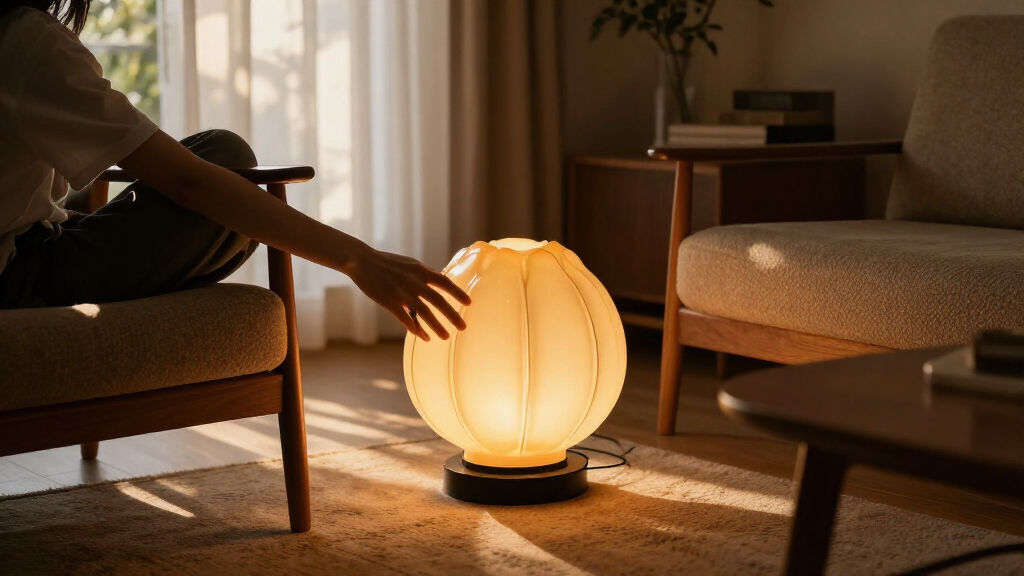
The lamp’s sculptural shape is made from four separate mouth-blown glass shades, each nested inside the next. The glass is made using the Murano technique known as “pulegoso,” which incorporates small air bubbles into the material, giving it a textured, semi-opaque appearance. The overlapping central area conceals the bulb, while the outer curves allow more light through. Gubi describes the result as a glow without glare or harsh shadows.
Gubi says it remained faithful to Nason’s original specifications but re-engineered the steel base, which holds the socket and supports the shades. The changes are intended to improve stability and make the lamp easier to take apart for routine care. Schmidt said the company worked closely with Nason’s son, Alberto Nason, during development. The lamp is available from Gubi’s website and select retailers, according to the report.
A Collectible Returns to Production
The reissue gives buyers a chance to acquire a design that had a short original production run and later became known among collectors. Returning it to production also puts Nason’s glassmaking-focused design before a broader audience, without requiring buyers to find an original vintage example. Gubi has not provided pricing or production-volume details in the source report, so the scale of the release and its accessibility to different budgets are not established.
The timing also connects the lamp’s return with the designer’s legacy. Design Milk reports that Nason died earlier this year. His son said he was grateful that the reissue would allow more people to experience the design firsthand. That perspective frames the launch not only as a commercial revival but also as a continuation of a family design history, while the object itself remains the focus.
As an affiliate, we earn on qualifying purchases.
From LT305 to Lotus
Nason grew up in a family of Murano glassmakers and learned the island’s glassblowing traditions. Design Milk describes him as pursuing more experimental, contemporary forms than the highly decorative work associated with many of his peers. The 1969 LT305 combined that glassmaking background with the streamlined, bulbous shapes associated with 1960s Space Age design.
The original lamp’s brief production period did not prevent it from developing a following. Collectors began calling it the “Lotus lamp,” and Gubi has retained that name for the reissue rather than relying on the original model number. Schmidt told Design Milk that the nickname captured the design and had become part of its history. The report identifies the new lamp as a return to production, not a redesign of its central glass form.
““Collectors had already given the lamp a name that captures the design beautifully. The name had become part of the design’s identity and history, and we wanted to respect that.””
— Marie Kristine Schmidt, Gubi CEO, as quoted by Design Milk
Murano glass table lamp four shade
As an affiliate, we earn on qualifying purchases.
As an affiliate, we earn on qualifying purchases.
Price and Production Details
The source report does not state the lamp’s price, production quantity, or shipping schedule. It also does not specify whether Gubi will offer multiple finishes, regional versions, or replacement glass components. The report says the lamp is available through Gubi and select retailers, but does not list individual retailers or regions. Those details may vary by market and have not been established in the material provided.
Gubi says the design follows Nason’s original specifications, with changes to the base, but the report does not provide technical specifications such as dimensions, bulb type, electrical standards, or the exact differences from the original base. Buyers seeking those details will need to consult Gubi or a retailer.
mid century modern glass table lamp
As an affiliate, we earn on qualifying purchases.
As an affiliate, we earn on qualifying purchases.
Availability Through Gubi and Retailers
The Lotus Table Lamp is currently listed as available through gubi.com and select retailers, according to Design Milk. Prospective buyers can check those channels for local availability, current pricing, product dimensions, bulb requirements, and delivery timing. Gubi has not announced a production run or a later launch milestone in the source report.
Further product information from the company or its retailers may clarify the practical specifications that are not included in the announcement. For now, the confirmed development is the return of Nason’s layered glass design, accompanied by a revised base intended to make everyday handling and maintenance easier.
As an affiliate, we earn on qualifying purchases.
Key Questions
What is the Lotus Table Lamp?
It is a table lamp designed by Italian glassmaker and designer Carlo Nason, first introduced in 1969 as the LT305. The Lotus name came from collectors and is now used by Gubi for the reissue.
What has Gubi changed for the reissue?
Gubi says it has re-engineered the steel base for greater stability and easier disassembly for cleaning and bulb replacement. The company says it retained the original design’s main expression and specifications.
How is the glass made?
The lamp has four nested, mouth-blown glass shades. The glass uses the Murano “pulegoso” technique, which adds small air bubbles for a textured, semi-opaque finish.
Where can the reissued lamp be purchased?
Design Milk reports that the Lotus Table Lamp is available through Gubi’s website and select retailers. The report does not provide a price or list the retailers.
What is still unknown about the launch?
The source does not give pricing, production volume, regional availability, or full technical specifications, including dimensions and bulb requirements. Buyers should check with Gubi or a retailer for current product information.
Source: rss
Fall Picks
fall essentials
As an affiliate, we earn on qualifying purchases.