
TL;DR
A homeowner renovated a 1953 kitchen, nearly doubling its storage and opening it to the living area with a new peninsula counter. The project was largely DIY, resulting in a larger, brighter, more functional space.
A homeowner nearly doubled the storage capacity of a 1953 kitchen by removing a pass-through window and installing a new peninsula counter, significantly enlarging and modernizing the space.
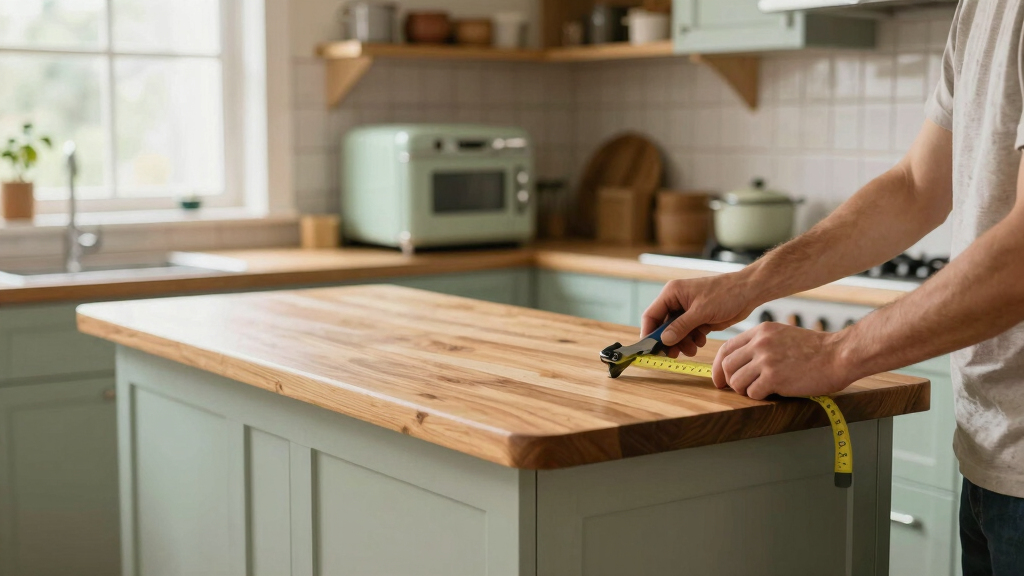
Kimberly Bahelda and her husband undertook a renovation of their 1953 kitchen, which was initially lacking in key areas such as storage, lighting, and appliance space. The couple, mostly DIY-ing the project with help from Kimberly’s father, removed the wall between the kitchen and living room to create an open-plan layout. They replaced old cabinets with semi-custom navy and white units, added quartz countertops, and installed a modern refrigerator. The new peninsula counter replaced the pass-through window, making the space feel larger and more functional. The renovation resulted in a brighter, more expansive kitchen that better suits contemporary needs, with increased storage and improved layout.
Impact of the Open-Plan, Storage-Enhanced Kitchen
This renovation demonstrates how a strategic wall removal and new cabinetry can significantly increase storage and space in older homes. It highlights the potential for cost-effective, largely DIY upgrades to modernize and improve functionality, which may inspire other homeowners with similar properties. The project also underscores the value of open layouts for enhancing the sense of space and usability in kitchens that were originally designed in the 1950s, aligning with current home design trends and needs.
kitchen peninsula countertop
As an affiliate, we earn on qualifying purchases.
As an affiliate, we earn on qualifying purchases.
1950s Kitchen Design and Common Limitations
Many homes built in the 1950s feature solid construction but often lack modern storage solutions, open layouts, and updated appliances. Kitchens from this era typically have fixed shelf heights, limited counter space, and small refrigerator areas, making them less functional for today’s use. Renovations to these spaces often involve removing walls, updating cabinetry, and improving lighting to meet current standards. Kimberly Bahelda’s project reflects a broader trend of homeowners revitalizing mid-century homes to better suit contemporary lifestyles.
“The best part of the renovation was taking down the wall between the kitchen and the living room. It made the space feel much larger.”
— Kimberly Bahelda
DIY kitchen cabinet storage solutions
As an affiliate, we earn on qualifying purchases.
As an affiliate, we earn on qualifying purchases.
Remaining Questions About the Renovation’s Long-Term Impact
It is not yet clear how the new storage solutions and open layout will hold up over time, or whether the homeowners plan further upgrades. Details about the durability of the materials used and the long-term functionality of the space are still emerging. Additionally, the full scope of the renovation’s impact on home value and everyday usability remains to be assessed.
modern kitchen appliances set
As an affiliate, we earn on qualifying purchases.
As an affiliate, we earn on qualifying purchases.
Future Plans for the Renovated Kitchen
The homeowners may consider additional updates, such as upgrading appliances further or customizing storage options. They might also evaluate how the new layout performs in daily use and whether further modifications are needed to optimize functionality. The success of this project could inspire similar renovations in other older homes, especially those from the 1950s.
open plan kitchen renovation tools
As an affiliate, we earn on qualifying purchases.
As an affiliate, we earn on qualifying purchases.
Key Questions
How much did the renovation cost?
The exact cost is not specified, but the homeowners aimed to keep expenses low by doing most of the work themselves and sourcing semi-custom cabinets and durable materials.
Was a permit required for removing the wall?
It is not specified, but removing structural walls typically requires permits and professional approval. Homeowners are advised to consult local building codes before undertaking such projects.
Will the new layout improve kitchen functionality?
Based on the homeowners’ feedback, the open layout and increased storage have made the space more functional and enjoyable for daily use.
Could this renovation be replicated in other 1950s homes?
Yes, the renovation demonstrates a feasible approach for similar homes, especially those with solid construction but outdated layouts and storage.
Are there plans for further upgrades?
The article does not specify future plans, but the homeowners may consider additional improvements based on their experience and needs.
Source: rss