
TL;DR

Get furniture and decor delivered free with Prime
- Fast, free delivery on millions of items
- Prime Video, Amazon Music and more included
- Member-only deals all year
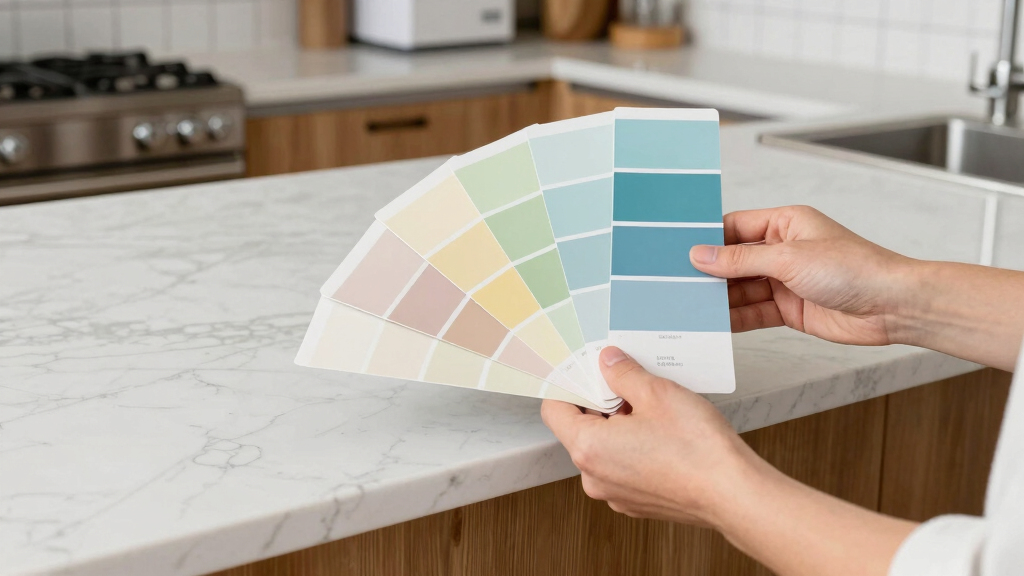
This article provides a detailed, expert-backed framework for selecting the ideal pale color scheme for kitchens. It emphasizes starting with fixed elements, choosing a dominant color, and building a cohesive palette to create a timeless, balanced space.
A comprehensive expert guide has been released detailing how homeowners and designers can select the right pale color scheme for kitchens, emphasizing a systematic five-step process to create cohesive, timeless spaces.The guide stresses the importance of starting with fixed elements like countertops, flooring, and appliances, which influence color choices. It recommends selecting a dominant color based on the room’s natural light and mood goals, often centered around cabinetry. Building a supporting palette involves layering complementary tones, textures, and finishes that harmonize with the fixed elements. The process helps avoid costly mistakes and ensures a balanced, aesthetically pleasing kitchen design. Experts highlight that a well-chosen pale color scheme can enhance the room’s openness, warmth, and elegance, making it adaptable over time.
Why a Cohesive Pale Color Scheme Matters
Choosing the right pale palette impacts the overall ambiance, perceived space, and longevity of a kitchen design. A thoughtfully selected scheme can make a kitchen feel more inviting, spacious, and aligned with the home’s style. It also reduces the risk of costly redecoration, as a cohesive palette supports versatility and timelessness. For homeowners planning renovations or updates, understanding how to build a balanced color system is crucial for achieving a harmonious look that withstands trends and personal preferences over time.
As an affiliate, we earn on qualifying purchases.
Background on Kitchen Color Planning Strategies
Historically, kitchen color schemes were often dictated by trends or individual preferences, leading to frequent updates. Recent design approaches emphasize integrating colors with architectural elements and materials, rather than choosing colors in isolation. Experts like Alissa Pulcrano advocate for considering a home’s ‘soul’ and history when selecting palettes, favoring systems of materials and tones over single shades. The trend toward cohesive, layered color schemes reflects a move toward more thoughtful, durable kitchen designs. This shift aligns with broader efforts to create spaces that are both functional and aesthetically enduring.
“Before we look at a single paint chip, we look at the ‘soul’ of the home. This guides us toward a natural, cohesive palette.”
— Alissa Pulcrano, Bright Designlab
timeless kitchen backsplash tiles
As an affiliate, we earn on qualifying purchases.
As an affiliate, we earn on qualifying purchases.
Uncertainties in Selecting the Perfect Pale Palette
While the framework guides systematic decision-making, individual preferences, evolving trends, and specific room conditions can influence the final choice. It remains unclear how universally applicable these steps are across diverse architectural styles and personal tastes, and how color perception may vary with lighting or materials. Additionally, the long-term durability of certain pale shades in high-use kitchens is still being studied, and some homeowners may find their preferences change over time.
cohesive kitchen color palette samples
As an affiliate, we earn on qualifying purchases.
As an affiliate, we earn on qualifying purchases.
Next Steps for Homeowners and Designers
Homeowners should start by assessing their fixed elements and natural lighting, then experiment with layered palettes using samples. Consulting with interior designers can help refine choices, ensuring cohesion. Future developments may include more advanced tools for virtual visualization of color schemes, and ongoing research into how different finishes and lighting conditions affect pale color perception. The emphasis will likely shift toward more personalized, adaptable palettes that evolve with the homeowner’s style.
kitchen countertop color options
As an affiliate, we earn on qualifying purchases.
As an affiliate, we earn on qualifying purchases.
Key Questions
How do I choose a pale color that won’t go out of style?
Focus on timeless shades with subtle complexity, such as soft whites, taupes, or muted pastels, and ensure they complement your fixed elements and natural lighting.
Should I match my cabinet color with my countertops?
Not necessarily. Instead, choose a dominant color that harmonizes with your countertops, pulling tones from the materials to create a cohesive look without exact matching.
How can I test color schemes before committing?
Use paint samples on different walls and observe them at various times of day to see how lighting affects the shades. Virtual visualization tools can also help simulate the final look.
Are pale colors suitable for small kitchens?
Yes, pale colors can make small kitchens feel larger and more open, especially when paired with good lighting and reflective surfaces.
Source: Homes & Gardens
Halloween Picks
halloween
As an affiliate, we earn on qualifying purchases.