
For readers choosing a home design book, I would start with The Interior Design Handbook for broad, practical guidance, The Functional Home for layout and everyday use, and Homebody for a more personal, comfort-led vision. These books address different stages of a decorating project: setting direction, making rooms work, and adding character. My ranking favors clear usefulness across a real home project, then rewards books with a more distinct focus. The tradeoff is that the available descriptions are brief and provide no technical specifications, so I judge them by their stated subject and likely fit rather than claims about particular methods or included resources.

Get furniture and decor delivered free with Prime
- Fast, free delivery on millions of items
- Prime Video, Amazon Music and more included
- Member-only deals all year
Complete the kit


Key Takeaways
- The Interior Design Handbook ranks first for the broadest stated coverage of furnishing, decorating, and styling, making it the most versatile starting point.
- The Functional Home is the clearest pick when layout, furniture placement, and organization matter more than decorative inspiration.
- Homebody puts comfort and personal expression at the center, while its appeal may be narrower for readers seeking a highly structured guide.
- The Art of Home is positioned around elevated but approachable style, though the supplied details reveal less about its specific advice than the other books.
- Call It Home makes the strongest case for readers who want to focus on the finishing details that give a space a welcoming, personal feel.
| The Interior Design Handbook: Furnish, Decorate, and Style Your Space | 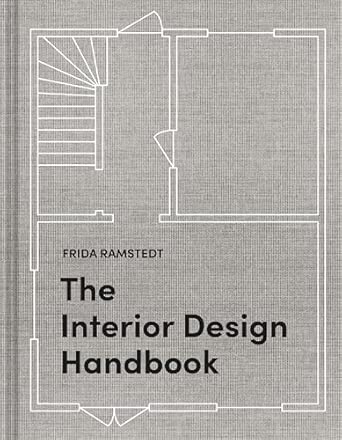 | Best Overall | Format: Book; format not specified in the supplied details | Primary focus: Furnishing, decorating, and styling interiors | Approach: Practical advice and design principles | VIEW LATEST PRICE | See Our Full Breakdown |
| The Functional Home: A Practical Guide to Planning Intentional Living Spaces |  | Best for Functional Layouts | Format: Book; format not specified in the supplied details | Primary focus: Planning intentional living spaces | Layout guidance: Addressed in the supplied description | VIEW LATEST PRICE | See Our Full Breakdown |
| Homebody: A Guide to Creating Spaces You Never Want to Leave |  | Best for Comfort and Personal Style | Format: Book; format not specified in the supplied details | Primary focus: Comfortable, stylish, personalized spaces | Design approach: Practical advice and inspiration | VIEW LATEST PRICE | See Our Full Breakdown |
| The Art of Home: A Designer Guide to Creating an Elevated Yet Approachable Home |  | Best for an Elevated, Livable Look | Format: Book; format not specified in the supplied details | Primary focus: Elevated yet approachable home design | Perspective: Designer guide, as stated in the title | VIEW LATEST PRICE | See Our Full Breakdown |
| Call It Home: The Details That Matter | 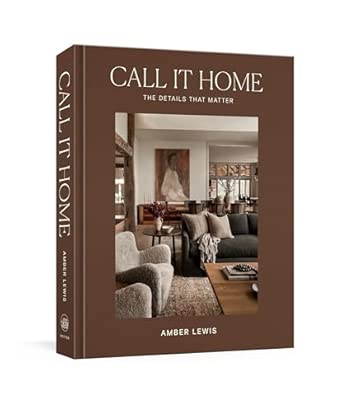 | Best for Finishing Touches | Format: Book; format not specified in the supplied details | Primary focus: Details that contribute to a welcoming, personalized home | Design stage: Finishing and personalization | VIEW LATEST PRICE | See Our Full Breakdown |
| home design product | Format | Primary focus | ASIN | Technical features |
|---|---|---|---|---|
| The Interior Design Handbook: | Book; format not specified in the supplied details | Furnishing, decorating, and styling interiors | 0593139313 | — |
| The Functional Home: A Practic | Book; format not specified in the supplied details | Planning intentional living spaces | 1577155882 | Not provided |
| Homebody: A Guide to Creating | Book; format not specified in the supplied details | Comfortable, stylish, personalized spaces | 006280197X | Not provided |
| The Art of Home: A Designer Gu | Book; format not specified in the supplied details | Elevated yet approachable home design | 078523683X | Not provided |
| Call It Home: The Details That | Book; format not specified in the supplied details | Details that contribute to a welcoming, personalized home | 0593235525 | Not provided |
More Details on Our Top Picks
The Interior Design Handbook: Furnish, Decorate, and Style Your Space
The Interior Design Handbook takes the top spot because its stated scope spans three connected decisions: furnishing, decorating, and styling. That breadth makes it the most adaptable recommendation for someone who has not yet settled on one design problem. Rather than centering only on comfort, function, or finishing touches, it appears to offer a wider foundation for shaping a room and pulling its elements together. For a first design book, that range is a practical advantage.
Compared with The Functional Home, this handbook seems less narrowly focused on layout and organization, so it may not be the strongest choice for a reader whose main frustration is how a room works. Compared with Homebody, its promise is more explicitly instructional and covers a wider set of decorating tasks rather than leading with a particular feeling or lifestyle. The description points to practical advice and design principles for DIY decorators, although it does not identify specific exercises, room plans, or technical guidance.
The main limitation is the same breadth that makes it appealing: readers who want deep help with one issue may prefer a more targeted title. The supplied information also gives no detailed technical specifications, so I cannot confirm how extensively it treats any individual topic. I would choose it as a general-purpose starting point, not as a substitute for professional plans or specialist advice. It suits readers who want a broad set of ideas to personalize their space and can accept that the exact depth of each subject is unclear.
Pros:- Covers furnishing, decorating, and styling in one guide.
- Describes practical advice for DIY home decorators.
- Includes design principles alongside styling ideas.
- Offers a broader starting point than the more specialized books in this group.
Cons:- The supplied description does not establish how deeply each topic is covered.
- No detailed technical specifications or contents list are provided.
- Its wide scope may be less useful than a focused guide for a specific room-planning problem.
Best for: DIY decorators who want one broadly focused guide to furnishing, decorating, and styling a home.
Not ideal for: Readers seeking technical plans, detailed specifications, or concentrated guidance on a single layout or organization challenge.
- Format:Book; format not specified in the supplied details
- Primary focus:Furnishing, decorating, and styling interiors
- Approach:Practical advice and design principles
- Intended audience:DIY home decorators
- Coverage:Broad home interior guidance
- Technical specifications:Not provided
- Content depth:Not specified
- ASIN:0593139313
Our verdict“I rank this first for readers who want the broadest stated mix of practical decorating and styling guidance.”
The Functional Home: A Practical Guide to Planning Intentional Living Spaces
The Functional Home earns second place by taking on a common design mismatch: rooms can look considered yet still be awkward to live in. Its description centers on layout, furniture placement, organization, and intentional planning. That gives it a clearer practical lane than the broad Interior Design Handbook, which covers more stages of decorating but is not described as concentrating on how a space operates.
This distinction matters for readers who are rearranging a room, planning where furniture belongs, or trying to make their home feel more comfortable through better use of space. The book’s focus suggests that it may help readers think about function before choosing finishing touches. By comparison, Call It Home emphasizes details and personalization, a step that may be more rewarding once the basic arrangement works. The Functional Home is therefore a strong match for a planning-first approach.
Its limitation is that the available description says little about how the advice is delivered or how much ground it covers. I cannot confirm whether it includes diagrams, specific room examples, or step-by-step planning tools, and the listed content depth is limited. It also may feel too utility-led for a reader mainly seeking color, decoration, or a more expressive style. I place it just behind the overall pick because its stated focus is useful but more specialized. Choose it when everyday function is the problem to solve; pick the handbook if you want a wider decorating overview.
Pros:- Focuses directly on functional and intentional living spaces.
- Addresses layout and furniture placement.
- Includes home organization as part of the design problem.
- Offers a more targeted planning angle than the broad overall pick.
Cons:- The available description gives little evidence about the depth of its advice.
- No diagrams, chapter details, or technical features are confirmed.
- Its functional emphasis may be less engaging for readers seeking primarily decorative ideas.
Best for: Readers who need to improve room layouts, furniture placement, organization, and day-to-day usability.
Not ideal for: Readers mainly looking for decorative inspiration, detailed product specifications, or a confirmed set of planning diagrams.
- Format:Book; format not specified in the supplied details
- Primary focus:Planning intentional living spaces
- Layout guidance:Addressed in the supplied description
- Furniture placement:Addressed in the supplied description
- Organization:Practical home organization guidance
- Technical features:Not provided
- Content depth:Not specified
- ASIN:1577155882
Our verdict“I recommend it ahead of the broader handbook only when practical layout and organization are the reader’s main priorities.”
Homebody: A Guide to Creating Spaces You Never Want to Leave
Homebody is the best fit in this lineup for readers who want their home to feel comfortable, inviting, and distinctly theirs. Its description combines practical advice with inspiration, but its defining emphasis is the experience of spending time in a space. That makes it different from The Functional Home, which focuses more directly on layouts and organization, and from The Interior Design Handbook, whose stated scope is broader and more task-oriented.
This book makes the most sense for someone who already has a sense of the feeling they want at home but needs ideas for expressing it through design. The promise of personalized spaces can help a reader think beyond copying a look and toward shaping rooms around their own preferences. Compared with The Art of Home, which is framed around an elevated yet approachable result, Homebody foregrounds comfort and personal attachment. That difference gives it a distinct role rather than making it another general decorating manual.
The tradeoff is that this focus may be less suited to casual readers who want a concise, narrowly actionable reference. The supplied description does not specify its methods, technical features, or the amount of practical instruction, so I would not assume it includes detailed plans or room-by-room solutions. It also lacks the explicit layout emphasis of The Functional Home. I rank it third because its intended atmosphere and personalization angle are clear, while its practical depth is harder to judge. Choose it for comfort-led design inspiration; skip it if your first need is a functional floor plan.
Pros:- Centers comfort and inviting home environments.
- Encourages personalized design rather than a purely generic look.
- Combines inspiration with practical home-improvement ideas.
- Offers a distinct atmosphere-led alternative to function-first guidance.
Cons:- The description does not specify particular methods or technical features.
- Its broad personal-style appeal may be less targeted for casual readers.
- It is not described as a dedicated guide to layout or furniture placement.
Best for: Home enthusiasts who want inspiration and practical ideas for creating comfortable, personal spaces.
Not ideal for: Readers who want tightly focused layout instructions, technical information, or a brief reference for a single design task.
- Format:Book; format not specified in the supplied details
- Primary focus:Comfortable, stylish, personalized spaces
- Design approach:Practical advice and inspiration
- Atmosphere:Inviting and comfortable
- Intended audience:Home enthusiasts and readers shaping personal spaces
- Layout detail:Not specified
- Technical features:Not provided
- ASIN:006280197X
Our verdict“I would choose Homebody for a comfort-first, personal approach rather than for detailed room-planning instruction.”
The Art of Home: A Designer Guide to Creating an Elevated Yet Approachable Home
The Art of Home has a clear stylistic promise: a home that feels elevated without becoming intimidating or inaccessible. That positioning makes it a useful candidate for readers who want a polished result but do not want their rooms to feel formal or untouchable. It differs from Homebody, which is more directly framed around comfort and personalization, and from The Interior Design Handbook, which offers the broadest stated coverage of decorating tasks.
For a buyer drawn to design guidance from a designer’s perspective, the title itself suggests an accessible balance between aspiration and everyday living. However, the supplied product details stop at that positioning. They do not describe specific topics, practical methods, room examples, or features. I therefore cannot say whether the book gives detailed furnishing guidance, layout advice, or a particular approach to color and materials. That lack of detail is a meaningful drawback when comparing it with books whose summaries name concrete subject areas.
I place it fourth not because its design promise is a poor fit, but because the available evidence is thinner. Its strongest distinction is tone: refined, yet intended to remain approachable. Readers who want that sensibility may find it more appealing than the more functional or broadly instructional options. Readers choosing on the basis of concrete advice may get a clearer signal from The Functional Home or The Interior Design Handbook. I would select this book for its stated design balance, while checking the full listing or contents information before relying on it for a specific project.
Pros:- Has a distinct elevated-yet-approachable design position.
- May suit readers who want a polished look without a formal atmosphere.
- Provides a clear stylistic contrast to comfort-first and function-first books.
Cons:- The supplied description offers no detail about specific guidance or methods.
- No technical specifications or contents information are available here.
- Its practical usefulness is harder to compare with books that name concrete topics.
Best for: Readers attracted to designer-led guidance for a polished home that still feels comfortable and approachable.
Not ideal for: Buyers who need confirmed chapter topics, technical information, or clearly described step-by-step decorating advice.
- Format:Book; format not specified in the supplied details
- Primary focus:Elevated yet approachable home design
- Perspective:Designer guide, as stated in the title
- Stylistic direction:Polished but accessible
- Specific topics:Not provided
- Technical features:Not provided
- Content depth:Not specified
- ASIN:078523683X
Our verdict“I would shortlist it for its approachable designer aesthetic, but the limited description makes it a less certain practical pick.”
Call It Home: The Details That Matter
Call It Home focuses on a part of decorating that can be easy to overlook: the details that make a home feel welcoming and personal. Its stated emphasis gives it a more refined role than the broad handbook. Rather than covering the full sequence of furnishing, decorating, and styling, it appears to direct attention toward the small choices that shape a room’s character. That makes it most appealing after a reader has a basic plan and wants to make the result feel lived-in rather than generic.
Compared with Homebody, this title has a more specific details-led framing; Homebody puts the overall experience of comfort and personal space at the center. Compared with The Functional Home, Call It Home is less about how rooms are arranged and more about how personal touches influence their atmosphere. Those distinctions matter: a reader with an awkward layout should start elsewhere, while someone whose rooms feel unfinished may value its focus.
The information supplied does not identify the kinds of details discussed, provide technical features, or establish how much step-by-step instruction the book contains. I would not assume it covers a particular accessory, material, or decorating technique. This uncertainty keeps it fifth as a general recommendation, although it may be the most relevant option for a narrower finishing-stage project. I see its value in a personalization-first brief, not as a complete design reference. Choose it when the big decisions are mostly settled and you want to focus on the elements that make the home feel like yours.
Pros:- Concentrates on personal details that contribute to a welcoming home.
- Offers a narrower finishing-stage focus than the overall handbook.
- May help readers think about how a space reflects its occupants.
- Provides a distinct alternative to layout-first advice.
Cons:- The supplied description does not specify which details or techniques it covers.
- No technical specifications or contents list are provided.
- It is less clearly suited to readers who need broad or layout-focused guidance.
Best for: Homeowners and design enthusiasts who have the main room plan in place and want to focus on personal, welcoming details.
Not ideal for: Readers starting with furniture placement, room organization, or a need for a broad introduction to interior design.
- Format:Book; format not specified in the supplied details
- Primary focus:Details that contribute to a welcoming, personalized home
- Design stage:Finishing and personalization
- Intended audience:Homeowners and interior enthusiasts
- Practical advice:Described as practical tips and insights
- Specific topics:Not provided
- Technical features:Not provided
- ASIN:0593235525
Our verdict“I recommend Call It Home for refining a space with personal touches, not for planning a room from the ground up.”

How We Picked
I ranked these five books as home design tools, not as decorative objects or interchangeable collections of inspiration. The central question was what kind of decision each title helps a reader make: how to furnish and style a room, how to plan a workable layout, how to build a more personal and comfortable atmosphere, or how to refine the details. A title with a broad practical remit earns a higher place as a general starting point; a more specialized book can still be the better choice for readers with a clear project or preference.
The product information supplied for this comparison is uneven. Several entries have only short summaries, and none includes confirmed dimensions, format, page count, chapter lists, or other technical particulars. I do not fill those gaps with invented claims. Instead, I use each book’s described focus to explain its likely audience and its limits. That means The Interior Design Handbook ranks first for breadth, while The Functional Home places high for its specific attention to planning and function. Homebody, The Art of Home, and Call It Home are ranked by the more focused design goals stated in their descriptions.
I also weighed decision usefulness against inspiration. A reader who needs furniture placement advice has a different need from someone who wants a welcoming, expressive home. I treat the stated pros as indications of intended value, not proof of a particular outcome, and I flag where content depth or specifics are unclear. The order is therefore a guide to fit: broadest apparent starting point first, followed by books that serve increasingly defined priorities. Readers should choose by the problem they want the book to help solve.
| home design product | Primary focus | Intended audience |
|---|---|---|
| The Interior Design Handbook: | Furnishing, decorating, and styling interiors | DIY home decorators |
| The Functional Home: A Practic | Planning intentional living spaces | — |
| Homebody: A Guide to Creating | Comfortable, stylish, personalized spaces | Home enthusiasts and readers shaping personal spaces |
| The Art of Home: A Designer Gu | Elevated yet approachable home design | — |
| Call It Home: The Details That | Details that contribute to a welcoming, personalized home | Homeowners and interior enthusiasts |
Factors to Consider When Choosing Best Home Design Products
I would choose a design book by matching its stated focus to the part of the project that feels least settled. A broad guide can help when you need direction across several tasks; a specialized one is more useful when you already know what is not working. The books here differ most in scope, practical focus, and design mood, so the right choice depends on whether you need a starting framework, a functional plan, personal inspiration, a particular aesthetic, or finishing ideas.
Start with the design problem, not the cover promise
Before choosing, name the decision you need help with. If you are furnishing a room and also thinking about decoration and styling, The Interior Design Handbook has the broadest stated remit. If your furniture arrangement or organization is the sticking point, The Functional Home is more directly aligned. A book that speaks to your immediate problem is more likely to be useful than one that simply reflects a style you admire.
For readers who are still unsure what their home should feel like, Homebody points toward comfort and self-expression. By contrast, readers with the main arrangement settled may be ready for the details-led approach of Call It Home. If the desired result is polished but not stiff, The Art of Home has the clearest matching description, though less detail is available about its content.
Choose breadth or a narrower specialty
A wide-ranging book can provide a useful foundation, but breadth does not guarantee depth in every subject. I rank The Interior Design Handbook first because its summary names several connected design tasks. That is a sound fit for a reader starting a general refresh, but someone seeking detailed room planning may be better served by The Functional Home’s narrower focus. Similarly, Call It Home may offer a more relevant direction for finishing choices than a broad introduction.
Think about whether you need to explore options or resolve one specific obstacle. Exploration favors breadth; a clearly defined project often benefits from focus. Since the supplied descriptions do not establish chapter-by-chapter coverage, I would check a full contents page or sample before buying if you need help with a very specific room, method, or design question.
Separate function from atmosphere
Some design decisions are about movement, storage, and furniture placement; others are about comfort, welcome, and personal expression. The Functional Home is the most explicitly function-led book in this comparison. Homebody places greater emphasis on the kind of space people want to spend time in, while Call It Home highlights the details that can make a space feel personal. Function and atmosphere work together, but a book may give one more attention than the other.
If you are frustrated by a room’s use, prioritize the functional guide before shopping for decorative ideas. If the layout already works but the home feels impersonal, the comfort- or details-focused titles may be a better match. This distinction can prevent choosing an inspiring book that does not address the practical issue you actually have.
Read the descriptions as limits as well as promises
The available information is not equally detailed for all five titles. The descriptions for The Interior Design Handbook, Homebody, The Functional Home, and Call It Home identify general subject areas, while The Art of Home is described mainly through its elevated-yet-approachable positioning. None of the supplied listings confirms page count, edition, illustrations, diagrams, room examples, or technical specifications. Do not assume a feature is included unless the full listing or book sample confirms it.
This matters most if you need measurements, floor plans, detailed instructions, or a particular type of visual reference. The books are presented as design guidance, but their exact formats and depth remain unconfirmed here. A reader seeking inspiration can often choose by focus; a reader relying on a specific instructional feature should verify that feature before making a decision.
Match the book to your confidence level
If you are new to decorating and want a wide overview, the handbook is the safest starting point based on the stated scope. If you already know your challenge, a targeted choice can reduce distraction: The Functional Home for planning, Homebody for comfort-led personal style, or Call It Home for details. The Art of Home is a style-led possibility for readers drawn to an approachable designer look, with the caveat that the supplied summary is sparse.
My ranking reflects this difference in certainty. Books with clearly described tasks offer a stronger basis for matching to a project, while a title with limited detail requires more checking. Beginner-friendly does not mean universally useful: a new decorator who only needs to fix a layout may still benefit more from the specialized planning book than from the broadest title.
Set expectations for what a design book can do
These recommendations are books, not furniture, materials, or professional design services. They can offer ideas and guidance, but the supplied information does not support claims that any one title provides technical plans or guarantees a particular result. A guide may help clarify preferences and decisions, yet room dimensions, household routines, accessibility needs, and existing furnishings still shape what works in practice.
I would use a book to build a direction and then check major purchases or structural decisions against the real constraints of the home. The broad handbook can help connect several decorating tasks; the functional title can focus attention on use; the more personal books can help shape atmosphere. The best match is the one that answers your current question, not necessarily the one with the most appealing general promise.
Frequently Asked Questions
Which book is the best general starting point for home design?
I would start with The Interior Design Handbook if you want one title with the broadest stated coverage. Its description includes furnishing, decorating, styling, practical advice, and design principles, while the other books lean toward a more specific aim. Its breadth is useful for a general refresh, but readers needing detailed layout guidance should compare it with The Functional Home.
Which option is most focused on room layout and organization?
The Functional Home is the clearest match for layout, furniture placement, organization, and intentional use of space. The Interior Design Handbook may offer a wider overview, but its description does not give the same direct emphasis to planning. The supplied details do not confirm whether The Functional Home includes diagrams or technical plans, so readers who need those should check the full book information.
Which book is the strongest choice for a more personal, comfortable home?
Homebody is the most directly aligned with comfort, inviting spaces, and personal expression. Call It Home also emphasizes personalization, but its stated focus is on the details that help create a welcoming environment. I would choose Homebody when the overall feeling of the home is the priority and Call It Home when the main plan is settled and you want to think about finishing touches.
Is The Art of Home a practical guide or mainly a style-focused choice?
The supplied description presents The Art of Home as a designer guide for creating an elevated yet approachable home, which gives it a clear style position. It does not provide enough detail to confirm its specific methods, project examples, or level of step-by-step instruction. I would treat it as a style-led option and check a contents list or sample if practical guidance is the main reason for buying.
Can these books replace technical plans or professional design advice?
I would not assume so. The information available describes design ideas, practical tips, styling, organization, and planning, but it does not confirm technical drawings, measurements, or professional services. These books may help clarify choices and develop a direction; for structural work, detailed specifications, or specialized accessibility needs, confirm the requirements with an appropriate professional.
Conclusion
My recommendation depends on the job ahead. For a first broad guide, choose The Interior Design Handbook; for a home that needs better layouts and organization, choose The Functional Home. Readers aiming for comfort and personal expression have the clearest match in Homebody, while those drawn to a polished but approachable look may prefer The Art of Home after checking its limited available details. If your larger design decisions are already made and you want to focus on welcoming personal touches, Call It Home is the most targeted choice. I rank the handbook first for versatility, but the best book for your home is the one whose focus matches the decision you need to make now.