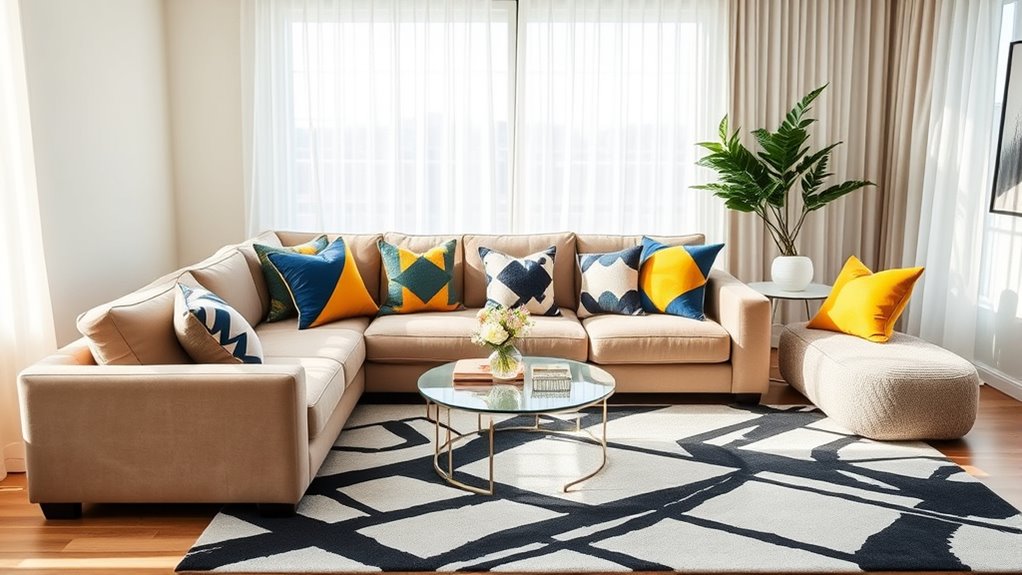

To add unexpected pops of pattern in neutral rooms, try incorporating subtle textile accents like patterned pillows, curtains, or rugs with faint motifs. Use accent walls with soft geometric designs or textured wallpapers to create visual interest without overwhelming the space. Small decorative items, such as woven baskets or textured vases, also provide charming pattern surprises. Balancing these elements thoughtfully keeps your room lively yet harmonious. Keep exploring to uncover even more ways to elevate your neutral palette with pattern.
Key Takeaways
- Incorporate subtle patterned textiles like throw pillows or rugs to add visual interest without overwhelming neutrality.
- Use faint geometric or floral wallpaper on an accent wall for unexpected pattern pops.
- Integrate textured accessories such as woven baskets or textured vases for a surprise element.
- Introduce patterned artwork with minimalist motifs that complement the room’s color palette.
- Balance bold pattern accents with neutral tones to create dynamic yet calming spaces.

Neutral rooms often serve as a calming backdrop, but adding unexpected pops of pattern can transform them into lively, mesmerizing spaces. One of the easiest ways to do this is by exploring accent wall ideas that introduce bold or subtle patterns. An accent wall acts as a focal point, drawing the eye and creating visual interest without overwhelming the entire room. When choosing accent wall ideas, consider patterns that contrast slightly with the rest of your neutral palette—think geometric shapes, soft florals, or textured wallpapers. These subtle pattern accents can add depth and personality, making your space feel intentional and thoughtfully designed.
Adding subtle patterns on an accent wall creates depth and visual interest in neutral spaces.
You don’t need to go overboard to make a statement. Sometimes, a single wall with a delicate, subtle pattern can be enough to create a dynamic atmosphere. For example, a wall painted with a faint herringbone or chevron pattern in a matching tone adds texture without disrupting the room’s serenity. These subtle pattern accents work especially well in bedrooms or living rooms, where a peaceful environment is desired but you still want to inject some character. Using wallpaper or decals that mimic natural textures—like linen or grasscloth—also provides gentle patterning that enhances the room’s visual appeal without overpowering it.
If you prefer a more understated approach, consider incorporating pattern through your textiles. Throw pillows, curtains, or area rugs with subtle patterns instantly introduce visual interest without clashing with your neutral scheme. For example, a beige sofa with textured cushions featuring faint stripes or abstract motifs creates a layered look that feels both sophisticated and inviting. These accents allow you to experiment with patterns on a smaller scale, making it easy to update or switch out later without a major overhaul.
Another idea is to incorporate patterned artwork or decorative accessories. Framed prints with minimalist patterns, woven baskets, or vases with intricate textures can serve as accents that break up the monotony. When selecting these pieces, opt for designs that incorporate hints of your room’s overall color palette, ensuring they blend seamlessly while still standing out. Combining these subtle pattern accents throughout your space creates a cohesive, curated look that feels lively without being chaotic.
Ultimately, integrating unexpected pops of pattern into your neutral room is about balance. Whether through an accent wall, textiles, or decor, choose patterns that complement your existing palette and enhance your personal style. Incorporating patterned elements thoughtfully can also help create a more dynamic and engaging environment. With thoughtful placement and moderation, you can elevate your space into a visually engaging sanctuary that feels both peaceful and inspiring.

DEZENE Striped Throw Pillow Covers 18×18 Set of 2 Beige Textured Boucle Chic Morden Boho Accent Farmhouse Square Decorative Couch Pillow Covers for Home Decor Bed Sofa Living Room
- Premium Boucle Fabric Front: Thick, durable textured fabric
- Canvas Back Material: Strong, long-lasting backing
- Well-Sealed Edges: Prevents fraying and enhances durability
As an affiliate, we earn on qualifying purchases.
As an affiliate, we earn on qualifying purchases.
Frequently Asked Questions
How Do I Balance Patterns Without Overwhelming the Space?
To balance patterns without overwhelming your space, start with a neutral base and choose fabric pairing that complements your main color scheme. Mix subtle patterns with bolder ones, ensuring they share similar hues for cohesive color coordination. Keep the overall look harmonious by repeating colors and using solids to break up busy patterns. This approach creates visual interest while maintaining a calm, balanced atmosphere in your room.
What Are the Best Pattern Options for Small Rooms?
You can’t judge a book by its cover, so start small with subtle patterns in your tiny space. Opt for small-scale prints like stripes or polka dots that add texture without overpowering. Mix textures like velvet and linen to create depth, and coordinate colors to keep the look cohesive. This approach makes your small room feel lively yet balanced, maximizing style without sacrificing comfort or space.
How Can I Incorporate Patterns Into Minimalist Décor?
To incorporate patterns into minimalist décor, start with subtle pattern mixing by pairing simple textures like linen with geometric prints. Add bold accents sparingly, such as a patterned throw pillow or a statement rug, to create visual interest without overwhelming the space. Keep the overall palette neutral, allowing the patterns to stand out. This approach maintains the minimalist aesthetic while introducing just enough pattern to elevate your décor.
Are There Any Pattern Trends Suitable for Traditional Interiors?
You’ll find that traditional motifs like damask, florals, and paisley are perfect for traditional interiors. Pattern mixing these classic designs adds depth and personality, creating a layered, sophisticated look. Coincidentally, pairing these motifs with modern textures or subtle geometric patterns can refresh the space without losing its timeless charm. Embrace the unexpected by blending old and new, making your traditional decor uniquely yours.
How Do I Select Patterns That Complement Existing Furniture?
To select patterns that complement your existing furniture, focus on pattern mixing and color coordination. Choose patterns with similar hues or tones to your furniture to create harmony. Mix different patterns thoughtfully—pair stripes with florals or geometrics with solids—ensuring they share a common color palette. This approach helps your patterns enhance your furniture without overwhelming the space, making it look cohesive and stylish.
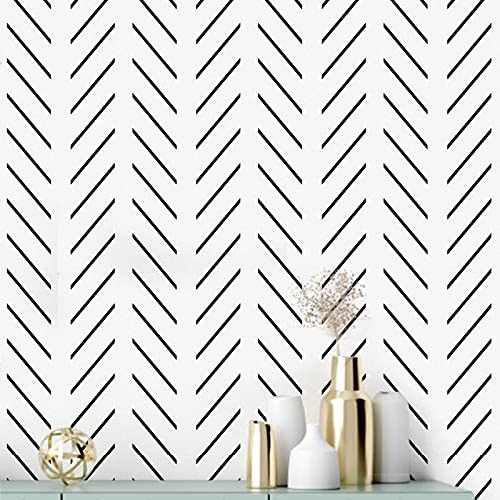
Erfoni Black and White Peel and Stick Wallpaper Modern Herringbone Contact Paper Bathroom 17.7inch x 118.1inch Geometric Removable Wallpaper Peel and Stick Self Adhesive Contact Paper for Accent Wall
- Design: Modern black and white stripe pattern
- Size: 17.7 x 118.1 inches
- Material: Thick vinyl with waterproof coating
As an affiliate, we earn on qualifying purchases.
As an affiliate, we earn on qualifying purchases.
Conclusion
So, why not add that surprise pop of pattern to your neutral space? It’s an easy way to breathe new life into your room without overwhelming it. Mixing in a bold pillow or a patterned rug keeps things fresh and interesting. After all, isn’t life more fun with a little unexpected flair? Embrace those playful touches—you might just love how they transform your neutral room into something truly special.
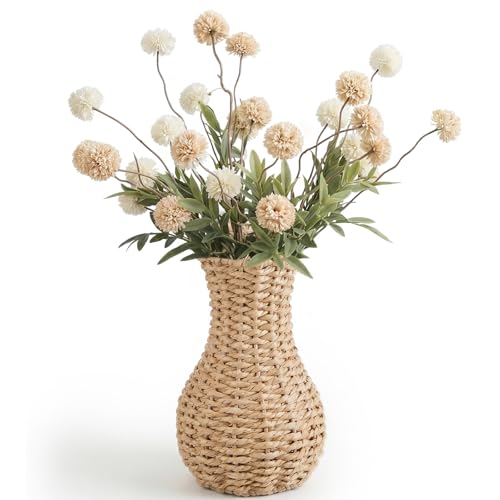
Ctosree Small Wicker Vase for Flowers, 8 Inch Lightweight Woven Farmhouse Boho Tabletop Vase, Rustic Style Decorative Basket for Living Room Shelf Centerpiece Entryway
- Compact Accent Decor: Adds natural texture to small spaces
- Farmhouse & Boho Style: Complements rustic and modern interiors
- Lightweight Woven Structure: Maintains shape with a lightweight design
As an affiliate, we earn on qualifying purchases.
As an affiliate, we earn on qualifying purchases.
As an affiliate, we earn on qualifying purchases.