To organize your home library effectively, start by categorizing books by genre and using labels or colored markers for quick identification. Arrange shelves by size, color, or author, and keep your most-used books at eye level for easy access. Leave enough space between books to prevent damage and make browsing simpler. Incorporate decorative dividers or labels to keep everything tidy. Keep exploring for more tips on transforming your collection into an inviting, functional space.
Key Takeaways
- Categorize books by genre using labels or colored markers for quick identification.
- Arrange books vertically or horizontally, prioritizing accessibility for frequently read genres.
- Leave space between books to prevent damage and facilitate easy removal.
- Incorporate shelf labels or decorative dividers to maintain organization and clarity.
- Organize by author or publication date within genres to create a personalized and functional collection.

Have you ever felt overwhelmed by a cluttered book collection? It’s easy to get lost among stacks of unread novels, textbooks, and cookbooks. The key to making your home library more manageable and inviting lies in organizing your books efficiently. One effective way to do this is by focusing on genre classification and shelf arrangement. When you categorize your books by genre, you create a logical system that allows you to find what you’re looking for quickly. Whether it’s mystery, science fiction, biography, or poetry, grouping similar genres together reduces the time spent searching and helps you develop a better overview of your collection. As you sort, consider using distinct labels or colored markers to differentiate genres visually, making it even easier to locate specific types of books at a glance. Additionally, understanding organizing your collection can help prevent damage to your books over time by avoiding overcrowding and improper stacking.
Once you’ve sorted your books by genre, the next step is to refine your shelf arrangement. Think about how you want your shelves to look and function. You might prefer a traditional vertical stack, where books stand upright, or a more eclectic approach with some stacked horizontally. Keep in mind that a well-planned shelf arrangement not only enhances aesthetic appeal but also improves accessibility. For example, placing your most frequently read genres at eye level means you can grab your favorites with minimal effort. Additionally, consider leaving some space between books; overcrowded shelves can make it difficult to remove or replace individual titles without disturbing the entire collection. If you have a large collection, you might want to organize by size or color, creating a visually pleasing effect that adds personality to your space.
Incorporating shelf labels or decorative dividers can further streamline your organization system. These small touches help remind you of your genre classification and keep your shelves tidy over time. If you’re short on space, think about stacking books horizontally to maximize vertical space while maintaining easy access. For a more personalized touch, you could also arrange books by author or publication date within each genre, adding another layer of organization if desired. Remember, the goal is to make your collection functional and enjoyable, so don’t be afraid to experiment with different arrangements until you find what works best for you. With some thoughtful classification and strategic shelf arrangement, your library will not only look better but also become a true reflection of your reading interests and personality.

Scotch Felt Pads 162 PCS Beige, Felt Furniture Pads for Protecting Hardwood Floors, Round, Assorted Sizes Value Pack, Self-Stick design, Protecting from nicks, dents and scratches (SP845-NA)
- Suitable for Various Furniture: Protects chair legs, tables, and decor
- Easy to Install: Peel and stick for quick setup
- Protects Hard Surfaces: Safeguards hardwood, tile, laminate, vinyl
As an affiliate, we earn on qualifying purchases.
Frequently Asked Questions
How Should I Categorize Rare or Collectible Books?
When categorizing rare or collectible books, you should first assess their value using valuation methods like expert appraisals or provenance research. Keep these books separate from your general collection to prevent damage, applying preservation techniques such as proper storage in acid-free sleeves and controlled environments. Label each item clearly, noting its rarity and condition, so you can easily identify and protect your most valuable books while maintaining an organized collection.
What’s the Best Way to Store Oversized or Heavy Books?
Think of your oversized books as the foundation of a grand library. To prevent sagging, consider bookweight considerations and use shelf reinforcement tips like sturdy brackets or thicker shelves. Store heavy volumes on lower shelves, similar to the roots anchoring a tree, to distribute weight evenly. This approach keeps your collection safe, accessible, and well-maintained, ensuring your library remains majestic and resilient over time.
How Can I Prevent Mold and Pests in My Collection?
To prevent mold and pests in your collection, you should focus on humidity control and proper ventilation. Keep the room’s humidity between 40-50%, using a dehumidifier if needed. Guarantee good airflow by opening windows or using fans, which helps reduce moisture buildup. Regularly inspect your books for signs of pests or mold, and clean your shelves to maintain a dry, well-ventilated environment that keeps your collection safe and preserved.
Should I Include Digital Copies in My Physical Library?
Imagine your bookshelf filled with vibrant, tangible books, but you also hold a sleek e-book reader nearby. You should definitely include digital copies in your physical library for seamless e-book integration. Digital vs physical isn’t a battle; it’s about enhancing accessibility and space. Incorporate both to enjoy the tactile feel of real books while having instant access to a vast digital collection, making your library flexible and personalized.
How Can I Organize Books for Easy Access and Browsing?
To organize books for easy access and browsing, consider using color-coded shelving to quickly identify genres or categories. You can also group books thematically, like all cookbooks together or novels by author. Keep frequently read books at eye level for convenience, and use labels or signs for less obvious sections. This way, you make your collection visually appealing and easy to navigate, enhancing your browsing experience.

Scotch Felt Pads 32 PCS Beige, Felt Furniture Pads for Protecting Hardwood Floors, 1" Round, Easy-to-apply, Self-Stick design, Reliable protection from nicks, dents and scratches (SP802-NA)
- Suitable for various furniture: Protects furniture and décor
- Easy to install: Self-stick design for quick application
- Smooth movement: Felt material allows easy furniture relocation
As an affiliate, we earn on qualifying purchases.
Conclusion
Now that you’ve organized your collection, imagine easily finding your favorite mystery novel whenever you crave a thrill. Sarah, a busy mom, spent a weekend sorting her shelves by genre and author. Within hours, she could grab any book without digging through piles. With a little effort, your home library becomes a haven of order and inspiration. Start today, and enjoy the satisfaction of a perfectly organized space that sparks your love of reading.

Best Felt Furniture Pads X-PROTECTOR - 48 Premium Chair Felt Pads Floor
- Floor Scratch Prevention: Protects floors from scratches and damage
- Complete Pack of 48: Includes 48 round felt pads for furniture
- Universal Fit Size: 1-inch pads suitable for most furniture legs
As an affiliate, we earn on qualifying purchases.
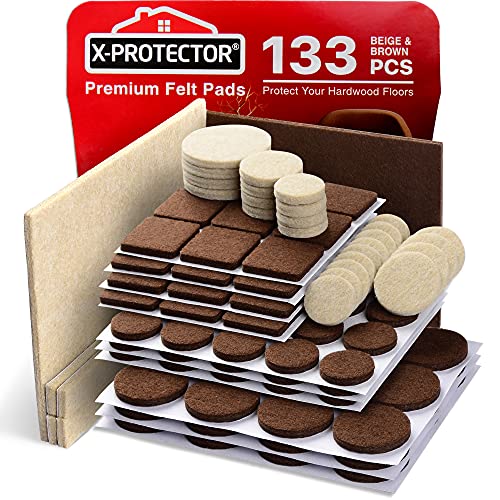
Felt Furniture Pads X-PROTECTOR 133 PCS Premium Furniture Pads - Felt Pads
- Floor protection for various surfaces: Protects wood, laminate, and tile floors
- Includes 2-pack for complete coverage: One brown and one beige pack, 133 pieces
- Multiple sizes for versatile fit: Various sizes to fit all furniture
As an affiliate, we earn on qualifying purchases.