
TL;DR
A homeowner renovated her 1970s kitchen into a modern, cozy space with a bold tile backsplash and open layout. The project, costing around $200,000, was completed in four months and features a redesigned layout for better flow.
A homeowner has fully renovated her 1970s kitchen, transforming it into a warm, modern space with a striking tile backsplash and an improved layout. The project, completed in about four months, cost approximately $200,000 and was designed to create a welcoming environment that feels both functional and stylish.

Get furniture and decor delivered free with Prime
- Fast, free delivery on millions of items
- Prime Video, Amazon Music and more included
- Member-only deals all year
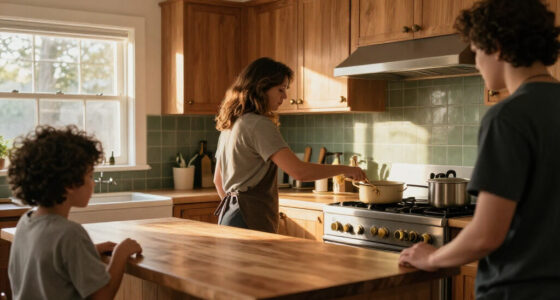
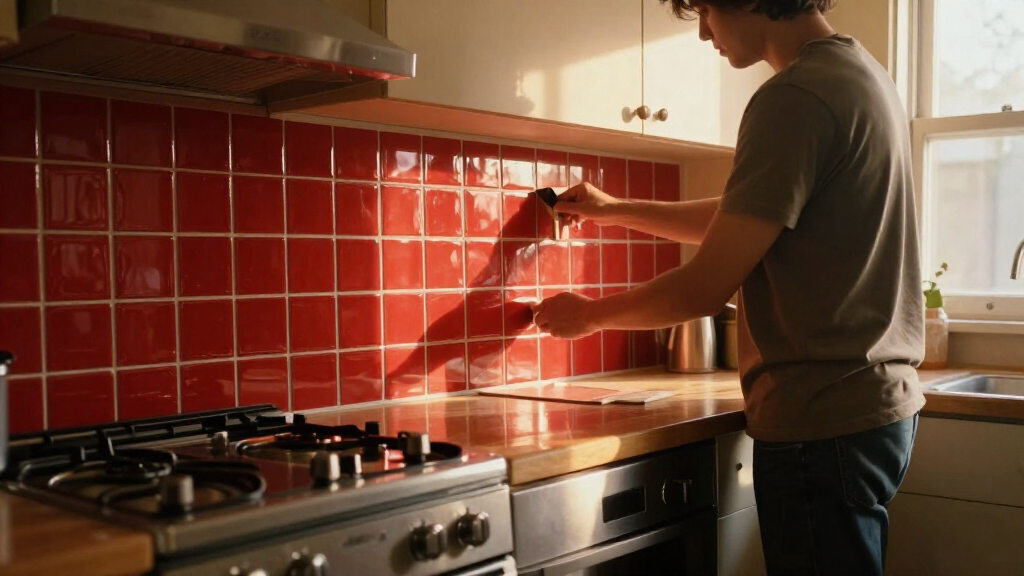
The renovation involved a complete overhaul of the kitchen’s layout, allowing for better flow and accessibility. The homeowner partnered with architect Kelly Faloon to reimagine the space, focusing on creating a cozy yet modern atmosphere. The original tile, a beloved feature, was incorporated into the new backsplash, inspiring a cohesive color palette that includes custom cabinet stains, a dolomite countertop with gray veining, and Benjamin Moore’s “Dark Pewter” paint.
The striking backsplash, often mistaken for wallpaper due to its bold colors, became a focal point and influenced the entire design scheme. The renovation also introduced polished nickel hardware with a soft gold tone that complements the caramel tones of the tile and cabinetry. The new layout allows for entering the kitchen from both sides of the house, making the space more inviting for gatherings and daily use.
From dull ’70s kitchen to cozy modern space
One bold backsplash became the design anchor for a complete four-month renovation—connecting an improved layout, warm custom cabinetry, veined stone and softly glowing metalwork.
More than a cosmetic refresh
Working with architect Kelly Faloon, the homeowner reimagined the room around movement, warmth and personality. The outcome balances a modern plan with details that preserve the home’s distinctive character.
Keep the story
A beloved original tile motif was carried into the new backsplash, maintaining continuity between the 1970s home and its modern renovation.
Open the flow
A fully reconsidered layout now permits entry from both sides of the house, making daily movement easier and gatherings feel more natural.
Build around one idea
The expressive backsplash informed the cabinetry, countertop, paint and hardware—turning one bold choice into a coherent visual system.
The chain reaction
The backsplash was not an isolated flourish. Its colors and warmth became a practical decision-making tool for every major finish that followed.
Original character
A cherished tile reference establishes continuity.
Statement backsplash
Bold pattern becomes the room’s focal point.
Warm cabinet stain
Custom caramel tones respond to the tile.
Veined dolomite
Gray movement adds a calm stone counterpoint.
Soft metal glow
Polished nickel adds a subtle golden warmth.
Warmth, contrast and rhythm
The palette avoids a cold “new kitchen” feeling. Earthy color, gray-veined stone and nuanced metals create depth while Dark Pewter paint grounds the composition.
Four finishes, one conversation
Design impact profile
Editorial assessment based on the reported design features; percentages are illustrative, not measured project data.
What the renovation changed
The strongest improvement came from treating layout and aesthetics as one problem: easier access supports daily function, while the layered material palette makes the room feel welcoming.
| Design factor | 1970s condition | Bold intervention | Modern outcome |
|---|---|---|---|
| Circulation | ✗ Limited movement | ✓ Full layout overhaul | ✓ Two-sided access |
| Visual identity | ~ Distinct but dated | ✓ Statement tile anchor | ✓ Cohesive personality |
| Color story | ✗ Disconnected finishes | ✓ Tile-led palette | ✓ Warm, grounded balance |
| Original character | ~ At risk of removal | ✓ Tile concept retained | ✓ Past and present linked |
| Social use | ✗ Less inviting | ✓ Opened circulation | ✓ Gathering-friendly room |
What this project tells us
It offers a compelling model for modernizing an older kitchen without erasing its history—but the published figures leave important practical questions unanswered.
The broader lesson
A singular design decision can successfully guide an entire renovation when it is tied to function. Here, expressive tile shaped the room’s palette while the open plan improved usability and welcome.
Still unclear
- How the approximately $200,000 budget was allocated
- Whether structural work drove a significant share of costs
- Whether delays or unexpected construction issues occurred
- How much of the original kitchen fabric remained in place
A focal point becomes a whole-home design logic
The project at a glance
The renovation demonstrates a growing preference for open layouts, personal expression and warm materials in updated kitchens from the 1970s.
What made it stand out?
The statement backsplash and a layout accessible from both sides of the house.
How long did it take?
Approximately four months from renovation start to completion.
What did it cost?
Around $200,000, although a detailed expense breakdown was not reported.
Was anything preserved?
Yes. The original tile informed the new backsplash and preserved a sense of character.
Why does the layout matter?
Two-sided entry improves flow, accessibility and the kitchen’s role as a gathering place.
Could it influence other renovations?
Yes. It offers a model for pairing expressive choices with practical improvements in older homes.
Impacts of the Modern Kitchen Renovation
This renovation demonstrates how a strategic redesign can breathe new life into a dated space, blending functionality with aesthetic appeal. The use of bold tile and open layout enhances the home’s personality and creates a welcoming environment. Such transformations can inspire homeowners to reimagine their own kitchens, emphasizing that a well-executed renovation can significantly improve both the look and usability of a space.
Products Worth Considering

Ring Battery Doorbell Plus (2nd Gen) and Chime Plus Bundle, Nickel Silver and White

Ring Battery Doorbell 2K Plus, Indoor Cam 2K, and Window & Door Sensor Bundle

Roborock Qrevo 2 Pro Robot Vacuum and Mop with 20,000 Pa Suction
As an affiliate, we earn on qualifying purchases.
1970s Kitchens and Recent Renovation Trends
Many homes built or renovated in the 1970s feature distinctive design elements that can feel outdated today. Recent trends favor open layouts, bold tile choices, and warm color palettes, reflecting a shift toward more personalized and inviting spaces. This project follows a broader movement among homeowners to modernize older kitchens while preserving cherished features like original tile patterns.
“The new layout allows for better flow and accessibility, making the kitchen more functional and inviting.”
— an anonymous researcher
Details Still Unclear About Cost and Timeline
While the renovation’s overall cost and duration are reported, specific details about the breakdown of expenses and any potential delays or challenges encountered during the project remain undisclosed. It is not yet confirmed whether the homeowner faced unexpected issues that affected the timeline or budget.
Future Home Renovations Inspired by This Transformation
Homeowners and designers may look to this project as a model for updating older kitchens with bold design elements and open layouts. Further renovations or similar projects could follow, with more emphasis on personal expression and functional improvements. The homeowner might also explore additional updates to adjoining spaces to create a cohesive home environment.
Key Questions
What made this kitchen renovation stand out?
The bold tile backsplash and the open layout that allows access from both sides of the house are key features that distinguish this renovation.
How long did the renovation take?
The project was completed in approximately four months.
What was the cost of the renovation?
The total cost was around $200,000, though specific breakdowns are not provided.
Did the homeowner preserve any original features?
Yes, the original tile was incorporated into the new backsplash, adding character to the modern design.
Will this renovation influence other projects?
Yes, this transformation may inspire similar updates among homeowners seeking to modernize older kitchens with bold design choices and improved layouts.
Source: rss