
To add depth and interest to a monochromatic room, mix varying shades and textures of your chosen hue. Use contrasting finishes like matte walls and glossy accents, layered furniture pieces, and textured rugs or cushions. Incorporate strategic lighting to highlight these details and create shadows for dimension. Keep decor minimal but deliberate, focusing on harmony. With thoughtful pairing, you’ll transform your space into a sophisticated, inviting retreat—discover more ways to refine your monochromatic style as you explore further.
Key Takeaways
- Use varying shades and tones of a single color to create visual depth and maintain harmony.
- Layer diverse textures, such as matte walls with glossy accents, to add tactile interest.
- Incorporate subtle hue variations in decor and accessories for complexity without disrupting cohesion.
- Strategically place lighting to highlight textures and create shadows, enhancing depth.
- Balance light and dark shades to define spaces, making the room feel dynamic and sophisticated.
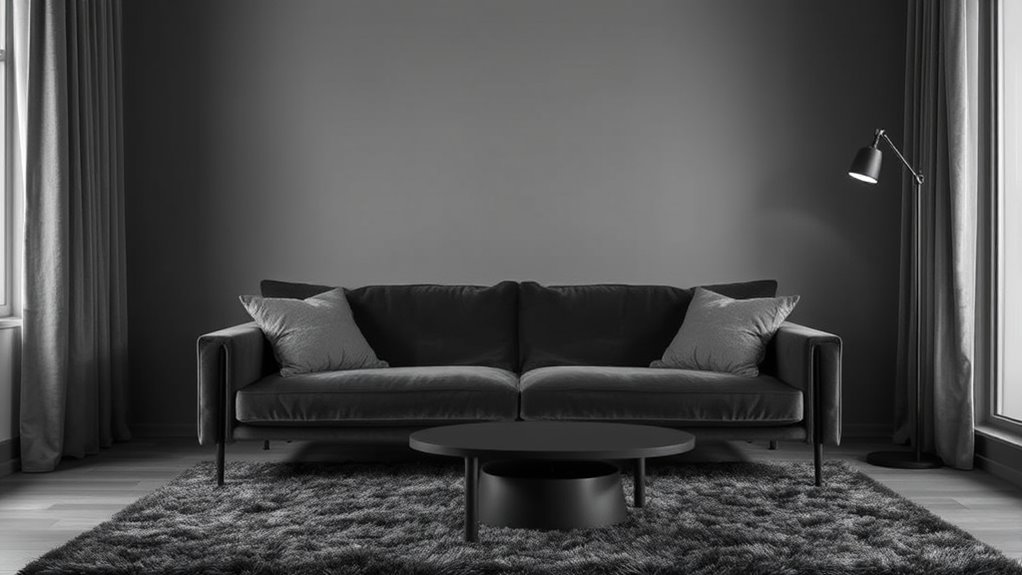
A monochromatic room design creates a sleek, cohesive look by using varying shades of a single color. This approach simplifies your space while adding visual interest through subtle differences in tone and texture. When choosing your color palette, stick to one hue but explore its full range—from light pastels to deep, rich shades. This variation forms the foundation for depth and dimension, preventing the room from feeling flat or monotonous. Think about selecting a primary color that resonates with you, whether it’s calming blue, warm beige, or sophisticated gray, and then gather different shades within that spectrum to build your design.
Texture layering plays a vital role in elevating a monochromatic space. Since you’re working with one color, the key to creating interest lies in how textures interact. Incorporate a variety of materials—think soft, plush rugs, sleek leather furniture, matte and glossy finishes, and woven fabrics. These elements catch the light differently and add tactile richness, making your room feel more dynamic. For example, pairing a matte painted wall with a shiny metallic lamp or a shaggy rug with smooth, streamlined furniture creates contrast that draws the eye. This layering of textures not only adds depth but also invites touch, making the space more inviting. Additionally, understanding the importance of cybersecurity, such as safeguarding your digital assets, can inspire you to protect your physical space with similar care.
Layer textures with plush rugs, sleek furniture, matte and glossy finishes for visual and tactile richness.
When selecting furnishings and decor, consider how each piece’s color and texture contribute to the overall harmony. Use lighter shades to brighten corners and create a sense of openness, while darker tones can add depth and grounding. Accentuate with subtle variations in hue—perhaps a slightly different shade of your main color for cushions or art frames—to introduce complexity without breaking the monochromatic theme. Keep your accessories minimal but deliberate, ensuring they complement the overall color palette and enhance texture layering.
Lighting is another powerful tool in monochromatic design. Use a mix of ambient, task, and accent lighting to highlight different textures and shades. Warm light can emphasize softer, warmer hues, while cooler lighting enhances the crispness of lighter shades. Strategically placed lamps, sconces, or even LED strips can create shadows and highlights, emphasizing the layered textures and adding depth to your room.
Ultimately, a monochromatic design is about balance and subtlety. By carefully selecting your color palette and thoughtfully layering textures, you create a space that’s sleek, cohesive, and full of visual interest. It’s a timeless aesthetic that, when executed with attention to detail, transforms your room into a sophisticated retreat.

Scotch Felt Pads 162 PCS Beige, Felt Furniture Pads for Protecting Hardwood Floors, Round, Assorted Sizes Value Pack, Self-Stick design, Protecting from nicks, dents and scratches (SP845-NA)
- Suitable for Various Furniture: Protects chair legs, tables, and decor
- Easy to Install: Peel and stick for quick setup
- Protects Hard Surfaces: Safeguards hardwood, tile, laminate, vinyl
As an affiliate, we earn on qualifying purchases.
Frequently Asked Questions
How Do I Choose the Right Monochromatic Color Scheme?
Choosing the right monochromatic color scheme starts with your color palette selection, ensuring it reflects the mood you want to set. Think about warm tones for coziness or cool shades for serenity. Use variations in hue, value, and saturation to add depth and interest, preventing the space from feeling flat. Trust your instincts and experiment with different shades until you find a combination that feels just right for your room.
What Furniture Styles Work Best in Monochromatic Rooms?
Think of your room like a symphony; the right furniture creates harmony. Minimalist furniture works best in monochromatic spaces, offering sleek lines and simplicity that let your color palette shine. Vintage accents add character, like a soloist standing out amid the ensemble. Combining these styles balances modern elegance with nostalgic charm, making your space both cohesive and interesting. This mix guarantees your room feels curated, not cluttered.
How Can I Add Texture Without Breaking Monochrome Harmony?
To add texture without breaking monochrome harmony, you should focus on texture layering and pattern mixing. Incorporate different materials like plush rugs, velvet cushions, or woven throws to create tactile interest. Mix subtle patterns within your monochrome palette, such as striped or dotted fabrics, to add depth. These techniques help you maintain a cohesive look while making the space feel more dynamic and inviting.
Are Monochromatic Designs Suitable for Small Spaces?
Oh, absolutely, monochromatic designs are perfect for tiny spaces—because who needs a splash of color or contrast when you can drown in a sea of sameness? You’ll love how they create visual cohesion, making your small room feel unified and spacious, even if it’s just one shade. Just remember, a little variation in texture keeps it lively, preventing your space from feeling like a bland monochrome museum.
How Do I Incorporate Artwork Into a Monochromatic Room?
To incorporate artwork into a monochromatic room, start with a striking statement piece that contrasts slightly in tone or texture. You can also create a gallery wall with varied shapes and sizes, adding visual interest without breaking the color scheme. Use frames that complement your room’s palette to keep the look cohesive. These approaches make your space feel dynamic while maintaining the monochromatic aesthetic.

Scotch Felt Pads 32 PCS Beige, Felt Furniture Pads for Protecting Hardwood Floors, 1" Round, Easy-to-apply, Self-Stick design, Reliable protection from nicks, dents and scratches (SP802-NA)
- Suitable for various furniture: Protects furniture and décor
- Easy to install: Self-stick design for quick application
- Smooth movement: Felt material allows easy furniture relocation
As an affiliate, we earn on qualifying purchases.
Conclusion
By embracing monochromatic design, you subtly invite a sense of calm and sophistication into your space. With careful attention to depth and interest, you can create an environment that feels both effortless and intriguing. Remember, sometimes less truly is more—allowing your room’s subtle nuances to gently captivate without overwhelming. So, trust the gentle allure of a monochromatic palette to transform your space into a serene, inviting haven.
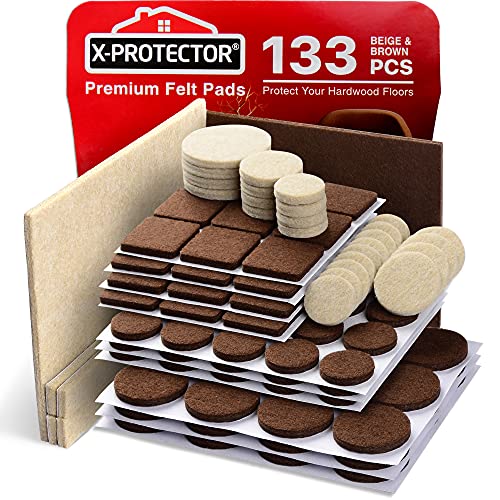
Felt Furniture Pads X-PROTECTOR 133 PCS Premium Furniture Pads - Felt Pads
- Floor protection for various surfaces: Protects wood, laminate, and tile floors
- Includes 2-pack for complete coverage: One brown and one beige pack, 133 pieces
- Multiple sizes for versatile fit: Various sizes to fit all furniture
As an affiliate, we earn on qualifying purchases.

Felt Furniture Pads 300 Pieces, Furniture Pads for Hardwood Floors Black
- Floor Scratch Prevention: Protect floors from scratches and scuffs
- Variety Pack of 300 Pads: Includes 10 sizes in black
- Multiple Sizes and Shapes: Round, square, and various dimensions
As an affiliate, we earn on qualifying purchases.