
TL;DR
Interior designers have identified several living room trends that are already out of style for 2026. This signals a shift in design preferences and influences future home decor choices. The list is based on expert opinions and current market observations.
Interior designers have officially announced that several popular living room trends are already considered outdated for 2026, signaling a shift in design preferences for homeowners and industry professionals.
According to multiple design experts, certain styles and elements that gained popularity in recent years are now deemed passé for the upcoming year. Among these are overly minimalistic setups with stark color palettes, excessive use of industrial materials, and furniture with overly angular shapes. The experts suggest that these trends are being replaced by warmer, more textured, and eclectic styles that emphasize comfort and personality.
Design professionals note that this shift reflects broader cultural trends toward coziness and personalization, with a focus on creating inviting living spaces. The declarations are based on observations from recent home renovation projects, market sales data, and evolving consumer preferences. For more insights, see the trends designers say are already overdone.
Why Declaring These Trends Out Matters for Homeowners
This announcement influences both consumers and industry professionals by signaling what styles are becoming less desirable, guiding future purchasing and renovation decisions. For homeowners, understanding these shifts can help them avoid investing in trends that may quickly become outdated, while designers can align their offerings with emerging preferences. It also reflects broader cultural shifts toward comfort, personalization, and sustainability in interior design.
cozy textured living room furniture
As an affiliate, we earn on qualifying purchases.
As an affiliate, we earn on qualifying purchases.
Recent Shifts in Living Room Design Preferences
Over the past few years, certain living room styles, such as minimalist monochrome schemes and industrial-inspired decor, have dominated the market. However, as home renovation and interior design trends evolve, experts are now observing a move toward warmer tones, textured fabrics, and more eclectic mixes of furniture. These changes are driven by consumer desire for spaces that feel more personalized and cozy, especially in a post-pandemic context where home comfort has gained importance.
The declarations about what is out for 2026 are part of a broader trend analysis by design professionals who monitor market data, social media, and home makeover projects. While some styles may still be popular in specific regions or among certain demographics, the overall industry is shifting away from the previously dominant minimalist and industrial aesthetics.
“Certain stark, industrial elements are no longer resonating with homeowners who now prioritize warmth and personality in their living spaces.”
— an anonymous designer
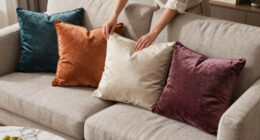
warm tone accent pillows
As an affiliate, we earn on qualifying purchases.
As an affiliate, we earn on qualifying purchases.
What Trends Might Still Persist or Rebound
It is not yet clear whether some of these declared out trends will make a comeback or continue to fade entirely. Interior design is highly dynamic, and regional or niche markets may still favor certain styles, making the overall landscape more complex. Additionally, individual preferences and cultural influences can sustain specific trends despite broader industry shifts.
eclectic living room decor accessories
As an affiliate, we earn on qualifying purchases.
As an affiliate, we earn on qualifying purchases.
Upcoming Design Forecasts and Industry Adjustments
In the coming months, industry professionals and consumers will likely observe further trend analyses and market shifts. Homeowners planning renovations should stay informed through design publications and expert advice, as new styles emerge and older ones fade. The industry may also see a move toward more sustainable and personalized decor options, aligning with broader cultural changes.
comfortable plush area rugs
As an affiliate, we earn on qualifying purchases.
As an affiliate, we earn on qualifying purchases.
Key Questions
Which living room trends are considered out for 2026?
Designers have identified overly minimalistic styles with stark color palettes, industrial materials, and angular furniture as out for 2026.
Why are these trends being declared out now?
Experts base these declarations on recent market data, renovation trends, and evolving consumer preferences favoring warmer, textured, and eclectic styles.
Will these declared out trends disappear completely?
It is uncertain; some styles may persist in niche markets or re-emerge later, as interior design trends often cycle over time.
How should homeowners use this information?
Homeowners planning renovations should consider current trend shifts to avoid investing in styles that may quickly become outdated and focus on more timeless looks.
Source: rss