
TL;DR
A couple in Sydney renovated their dining nook, preserving the stained glass window while updating the paint and furniture. The makeover emphasizes how small changes can dramatically improve a space’s feel and flow.
A Sydney couple transformed their outdated dining nook into a brighter, more functional space by preserving the stained glass window and updating the paint and furnishings. The renovation highlights how minor updates can significantly enhance a room’s appearance and usability, making it more inviting without a full overhaul.

Get furniture and decor delivered free with Prime
- Fast, free delivery on millions of items
- Prime Video, Amazon Music and more included
- Member-only deals all year
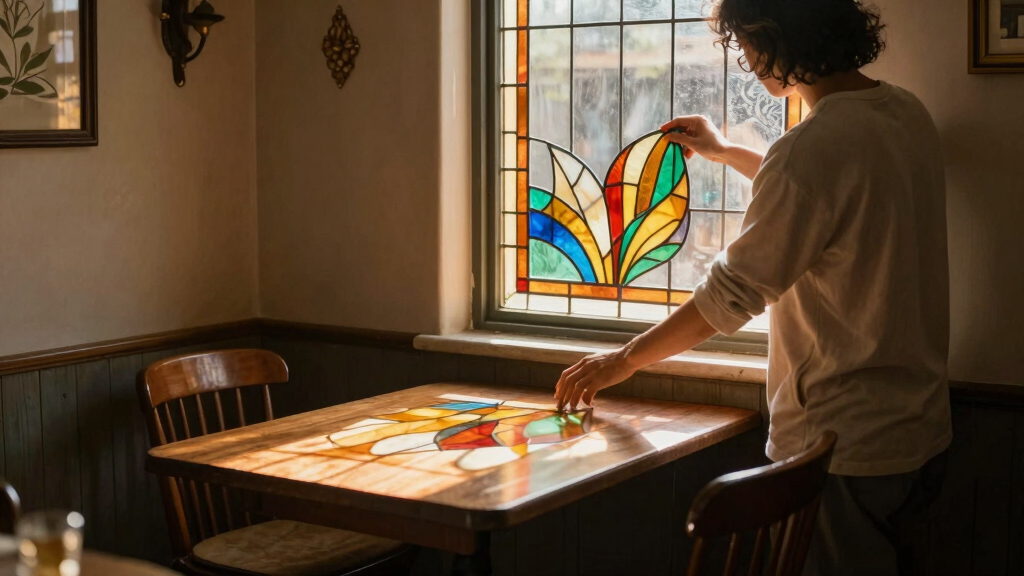
The homeowners, Heath and Sam Mitchell of Rainbow Home Reno, focused on revitalizing their 1920s home’s dining area, which previously featured orange walls, dark timber paneling, and rainbow-painted flower decals on the ceiling. They decided to keep the stained glass window, which they described as a key feature that deserved to stand out.
To brighten the space, they painted the upper cabinets white using Dulux’s Vivid White, which created a striking contrast with the dark wood paneling and complemented the stained glass. The new white walls provided a neutral backdrop that enhanced the window’s colors and allowed other elements, like a DIY dining nook bench with brown upholstery, to shine.
The project did not involve a complete renovation but relied on strategic paint choices and furniture updates. The couple aimed to make the space more functional and inviting, aligning it visually with the adjoining kitchen, which had been similarly refreshed with white cabinetry and a lighter aesthetic.
Small Changes Make a Big Impact in Home Design
This renovation demonstrates that homeowners can significantly improve a space with minimal interventions. Preserving a cherished feature like stained glass while updating paint and furniture can enhance both aesthetics and functionality. Such transformations are particularly relevant for renters or those seeking cost-effective ways to refresh their homes without extensive remodeling.
Products Worth Considering

Bose Lifestyle Ultra Wireless Home Speaker, White Smoke

Bose SoundLink Max Portable Bluetooth Speaker, Black

eufy Security eufyCam C35 4-Camera Kit
As an affiliate, we earn on qualifying purchases.
Reimagining Classic Home Features with Simple Updates
The dining nook was part of a broader effort by the homeowners to modernize their 1920s home in Sydney. Previously, the space suffered from outdated decor and dark tones that minimized its potential. Following a kitchen renovation that brightened the adjoining space, the dining area was next, emphasizing the importance of cohesive design flow. The decision to retain the stained glass window reflects a trend of valuing and highlighting historic or unique architectural features during home updates.
This approach aligns with current DIY and home renovation trends, where small but impactful changes are preferred over costly full renovations. The project showcases how strategic updates can preserve character while enhancing usability.
“The transformation shows how a fresh coat of paint and thoughtful furniture choices can dramatically change a room’s ambiance.”
— an anonymous researcher
Details Still Unclear About Long-Term Durability
It is not yet clear how the new paint and furniture will hold up over time or whether the homeowners plan further modifications. The long-term impact of the renovation on the room’s functionality and aesthetic coherence remains to be seen.
Potential for Further Home Improvements or Personalization
The homeowners may continue to refine the space, possibly adding decorative elements or additional furniture. They might also share more about their renovation process or undertake similar updates in other parts of their home.
Key Questions
Why did the homeowners decide to keep the stained glass window?
They valued the stained glass as a key feature that added character and wanted to highlight it in their renovation.
How did the paint change the look of the dining nook?
Applying Dulux’s Vivid White brightened the room and created a clean, modern backdrop that made the stained glass and furniture stand out more effectively.
Did the renovation involve a full overhaul of the space?
No, the project focused on strategic updates such as painting and furniture replacement, preserving the stained glass window as a focal point.
Will the homeowners make further changes to the dining area?
This has not been confirmed, but they may add decorative elements or additional furniture in the future.
Is this type of renovation suitable for renters?
Yes, since it involves minimal structural changes and can be reversed or updated easily, making it accessible for renters seeking to personalize their space.
Source: rss