
TL;DR
A recent survey shows that certain kitchen features once considered outdated are now gaining popularity among homeowners. The trend appears linked to changing design tastes, but the exact reasons are still unconfirmed. This shift could influence future kitchen remodeling choices.
A recent survey has confirmed a significant increase in homeowner interest in kitchen features previously considered outdated. The trend, which has gained momentum over the past year, suggests a shift in design preferences that could influence future remodeling choices. While the survey highlights this rising popularity, the underlying reasons remain unconfirmed, and experts caution that the trend’s longevity is still uncertain.

Get furniture and decor delivered free with Prime
- Fast, free delivery on millions of items
- Prime Video, Amazon Music and more included
- Member-only deals all year
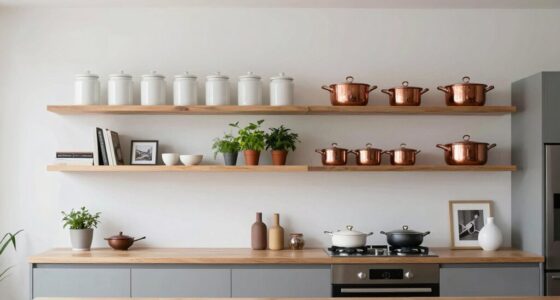
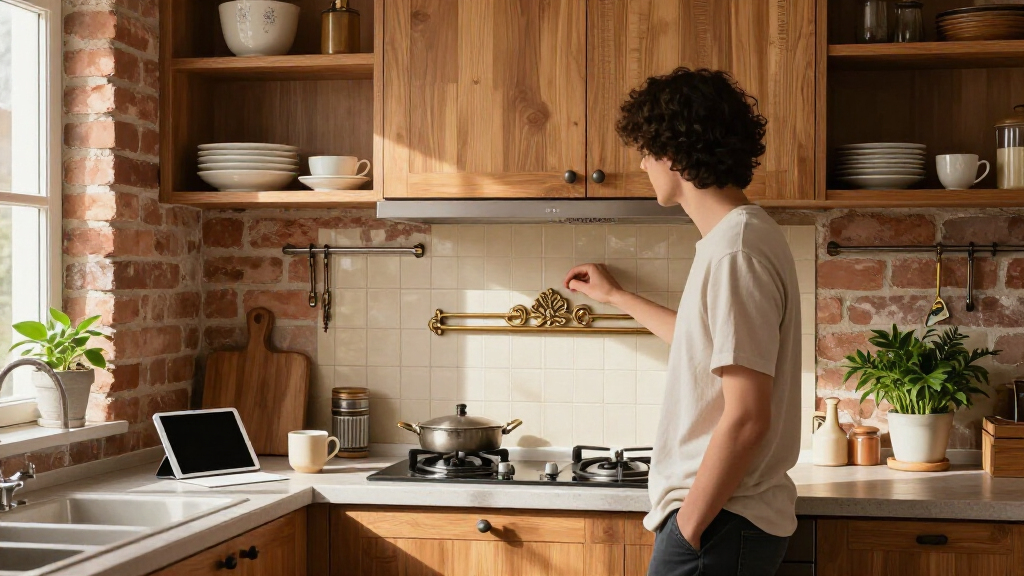
The survey, conducted by a leading home design research firm, found that features such as vintage cabinetry, retro appliances, and patterned tiles are now being favored by a growing segment of homeowners. According to the survey, interest in these features has increased by approximately 30% over the last 12 months, marking a notable departure from previous preferences for modern, minimalist kitchens.
Industry insiders suggest that this shift may be driven by a desire for unique, personalized spaces that stand out from the sleek, uniform look of recent decades. Some experts point to the influence of social media platforms, where vintage and retro aesthetics are frequently celebrated. However, the survey itself does not specify the exact motivations behind this trend, and analysts emphasize that further research is needed to confirm the underlying causes.
Implications for Homeowners and the Market
This rising interest in once-dated kitchen features signals a potential shift in consumer preferences that could reshape the home renovation industry. For homeowners, it suggests that incorporating vintage or retro elements might now be a viable way to achieve a distinctive aesthetic. For the market, it could mean increased demand for specialized products, such as restored appliances or patterned tiles, which had previously been considered niche.
Moreover, the trend could influence real estate values, as unique kitchens often appeal to specific buyer segments. Understanding this shift can help builders, designers, and retailers better cater to evolving tastes and anticipate future market directions. However, since the reasons for this trend are still unconfirmed, industry stakeholders remain cautious about its permanence.
Products Worth Considering

Roborock Qrevo 2 Pro Robot Vacuum and Mop with 20,000 Pa Suction

Philips Hue Bridge Pro Smart Lighting Hub, 1-Pack

TCL 85-Inch QM64L QD-Mini LED 4K Smart Fire TV
As an affiliate, we earn on qualifying purchases.
Historical Trends and Recent Interest Fluctuations
Traditionally, kitchen design has swung between modern minimalism and traditional styles, with vintage features falling out of favor during periods emphasizing sleek, contemporary aesthetics. Over the past decade, the focus has largely been on clean lines, neutral palettes, and integrated appliances. However, the current surge in interest appears to reverse this trend, with many consumers seeking to reintroduce older elements into modern kitchens.
The recent spike in coverage and search interest for vintage kitchen features suggests a renewed appreciation, possibly driven by social media trends, nostalgia, or a desire for more personalized spaces. Prior to this, these features were often viewed as outdated or difficult to maintain, which discouraged their use in new designs. The survey results, however, indicate a notable change in perception, though it is unclear whether this is a temporary fad or a longer-term shift.
Unconfirmed Reasons Behind the Trend’s Rise
It is not yet clear what specific factors are driving the increased interest in vintage and outdated kitchen features. While social media and nostalgia are plausible influences, there is no definitive evidence confirming these as the primary causes. Experts caution that the trend could be driven by other, less obvious factors, and its longevity remains uncertain.
Monitoring Future Design Trends and Market Responses
Industry analysts expect further research and consumer surveys to clarify the motivations behind this shift. Homeowners and designers may begin experimenting with vintage elements more openly, which could lead to increased availability and variety of retro-inspired products. Observing how the market responds in the coming months will be key to understanding whether this trend will sustain or fade.
Key Questions
What specific kitchen features are becoming popular again?
Features such as vintage cabinetry, retro appliances, patterned tiles, and nostalgic lighting fixtures are seeing increased interest, according to recent survey data.
Why did these features fall out of favor previously?
They were considered outdated during the rise of modern, minimalist kitchen designs emphasizing sleek lines and neutral colors, which dominated the market for much of the last decade.
Is this trend likely to last?
It remains uncertain. Experts suggest that further research is needed to determine if this is a temporary fad or a lasting change in consumer preferences.
How might this trend impact the home renovation industry?
Increased demand for vintage features could lead to more specialized products and services, possibly influencing pricing, availability, and design choices in the market.
Could this trend affect home values?
Yes, distinctive kitchens with vintage elements can appeal to specific buyer segments, potentially increasing property appeal and value in certain markets.
Source: rss