TL;DR
Designers featured in the source are using furniture-style wooden legs on kitchen islands to bring warmth, heritage and a more individual look to contemporary spaces. The detail can also expose more floor beneath an island, though its effect on roominess depends on the kitchen and the design.
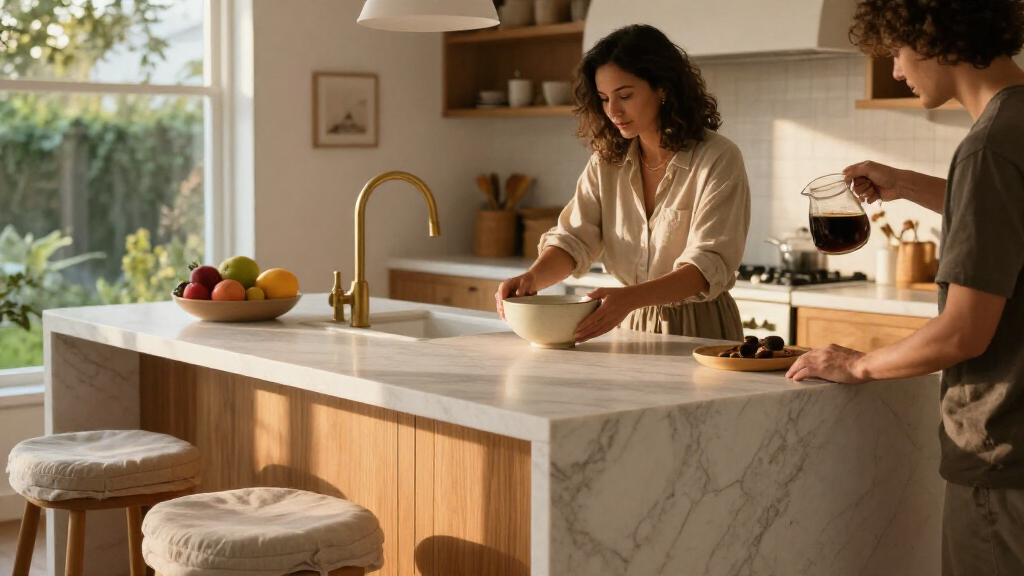
Furniture-style wooden legs are appearing on kitchen islands in projects by designers including Annie Burrows of Blakes London, Chloe Goldberg of Studio No. 33 and Sabrina Barazin. The detail gives an island a more crafted, furniture-like appearance, the designers say, while breaking up the solid block of cabinetry common in many modern kitchens.

Get furniture and decor delivered free with Prime
- Fast, free delivery on millions of items
- Prime Video, Amazon Music and more included
- Member-only deals all year
The feature draws on traditional woodworking and antique furniture: examples described by the designers include turned or tapered legs, reeding, subtle molding and deep drawer fronts. Rather than treating an island as a large cabinet topped with stone, the approach gives its base visible detail and makes it read more like a freestanding table.
Burrows used the look in a London home where the client wanted a sense of nostalgia and heritage. She said the kitchen was intended to work as a family hub for breakfast, homework and informal meals. Goldberg also used furniture references, including reeded details and tapered legs, in a kitchen designed for a luxury condominium sales center.
Barazin applied the idea in a 1932 Arts and Crafts home whose kitchen had been remodeled in the early 2000s and no longer related to the rest of the house. Her design used a freestanding island with deep drawers on turned-oak legs, aiming for the impression of an old working table. The source offers these project examples and designers’ assessments, not sales figures or survey data establishing how widespread the trend is.
A More Crafted Kitchen Island Starts at the Base
Designers are adding furniture-style wooden legs to islands for warmth and character. The look can make cabinetry feel visually lighter, but it does not add proven usable space or home value.
From cabinet block to furniture
Visible details give an island the character of a freestanding table.
Traditional details
Turned or tapered wooden legs, reeding and subtle molding bring woodworking references into contemporary kitchens.
A more personal look
The furniture reference can add warmth, heritage or contrast with fitted cabinetry.
Still a gathering place
The island remains a work and gathering surface, suited to everyday family life.
What the open base changes
Visible floor beneath the island can affect how its size reads in the room.
- Breaks up the visual mass of cabinetry
- Lets floor and sightlines show beneath the island
- May make the island feel lighter than its footprint
- Whether usable floor area increases
- How costs, durability and maintenance compare
- Whether the detail affects home value
Design references in three projects
| Designer | Project reference | Island detail |
|---|---|---|
| Annie Burrows | London family home | Nostalgia and heritage |
| Chloe Goldberg | Luxury condominium sales center | Reeding and tapered legs |
| Sabrina Barazin | 1932 Arts and Crafts home | Deep drawers on turned-oak legs |
What homeowners should weigh
Choose details around the home’s character and the way the kitchen is used.
Decide whether the island should echo the home’s age or contrast with a modern kitchen.
Consider turned or tapered legs, reeding and detailed drawer fronts.
The visual effect depends on the kitchen’s dimensions, lighting and island construction.
How Legs Change an Island’s Feel
For homeowners and designers, the detail offers a way to add character without changing the island’s basic role as a work and gathering surface. Exposed legs can soften the visual mass of cabinetry and introduce a contrast between the island and the surrounding fitted units. In a new or highly modern kitchen, that contrast may make the room feel less uniform; in a period home, it can help connect a remodeled kitchen with the building’s existing character.
The designers also point to a practical visual effect: floor remains visible beneath the island, allowing light and sightlines to pass under it. Barazin said this makes the island feel lighter than its footprint. That is a design judgment rather than a measured increase in usable space, and the result will depend on the room’s dimensions, lighting and island construction.
The feature is not just decorative. A furniture-like base changes how an island relates to the rest of the kitchen, making it appear less like an uninterrupted run of cabinetry. But the source does not compare costs, durability or maintenance with conventional island designs, so it does not establish whether the detail is suitable for every budget or household.
Products Worth Considering

Philips Hue Amarant Outdoor Smart Light Bar, Black

Roborock Qrevo S Pro Robot Vacuum and Mop with 18,500 Pa Suction

Hisense 85U6SF Pro 85-Inch U6 Pro Mini-LED 4K UHD Smart Fire TV
As an affiliate, we earn on qualifying purchases.
From Cabinet Block to Freestanding Table
The source places the detail within a broader turn toward traditional references in kitchens, citing bronze pot-filler taps and European-style range ovens as other examples of interest in craftsmanship. It contrasts that direction with the all-white, ultra-modern designs it says dominated the 2010s. These are editorial observations, not findings supported by market research in the material provided.
Kitchen islands have often been treated as opportunities for prominent stone surfaces and substantial cabinetry. The designers quoted here instead draw on older furniture and working-table forms. In Barazin’s period-home project, that reference was intended to restore a visual relationship between the kitchen and the house; in Goldberg’s development project, it helped create a more welcoming atmosphere than a conventional sales-center kitchen.
““Bring a little sense of nostalgia and heritage into her new London home.””
— Annie Burrows, Blakes London
How Broad the Trend Really Is
The source does not provide market data, dates or a measured adoption rate, so it is not possible to determine how common furniture-style island legs are across new kitchens or whether their popularity is growing. The headline’s reference to expensive-looking kitchens is a style framing; the material does not show that the feature raises a home’s value or requires a high budget.
It also does not compare installation costs, cleaning needs, durability or accessibility with solid island bases. While the designers describe the legs as visually lighter and more characterful, those effects are subjective and may vary with the island’s proportions, materials and surrounding cabinetry.
What Homeowners Should Weigh
The examples suggest that homeowners considering the look can start by deciding whether the island should complement the home’s age and architectural character or provide contrast with a modern kitchen. Details such as turned or tapered legs, reeding and drawer fronts can give an island a furniture reference, but the source does not prescribe a standard design or dimensions.
Any practical decision will depend on the kitchen layout and how the island is used. The available reporting does not identify a forthcoming launch, formal forecast or next industry milestone; it presents completed projects and designers’ views. Wider adoption, pricing and long-term performance remain unreported.
Key Questions
What are furniture-style legs on a kitchen island?
They are visible wooden supports that make an island resemble a freestanding table or cabinet. The examples include turned or tapered legs, sometimes paired with reeding, molding or detailed drawer fronts.
Why are designers using this island detail?
The designers say the legs add warmth and character, and break up the visual mass of fitted cabinetry. They can also let light and floor show beneath the island, creating a lighter visual effect.
Does a legged island make a kitchen physically larger?
The source does not establish that it increases usable floor area. Barazin said the visible floor beneath an island can make it feel lighter than its footprint; the actual effect depends on the room and design.
Is this trend proven to increase home value?
No value or resale data is provided. The source reports designers’ aesthetic reasons for using the feature, not evidence that it raises property prices or buyer demand.
Source: livingetc.com