
TL;DR

Get furniture and decor delivered free with Prime
- Fast, free delivery on millions of items
- Prime Video, Amazon Music and more included
- Member-only deals all year
A designer’s 70-20-10 rule is being promoted as a method to make inexpensive furniture look more luxurious. This trend is gaining popularity, though its origins and effectiveness are still under discussion.
A designer’s 70-20-10 rule is emerging as a popular method to make inexpensive furniture look more luxurious. This approach involves strategic use of color, texture, and placement to elevate the perceived quality of budget pieces. The trend has gained significant online attention, although its origins and proven effectiveness remain unverified. Looking to elevate your home’s appearance? Discover what colors make a house look expensive.
The 70-20-10 rule, as promoted by some interior design influencers, suggests that 70% of a space’s visual impact should come from dominant elements like furniture and large decor, 20% from secondary accents such as textiles and smaller accessories, and 10% from accent pieces or bold details. Advocates claim that applying this ratio can enhance the perceived value of inexpensive furniture, making it appear more sophisticated.
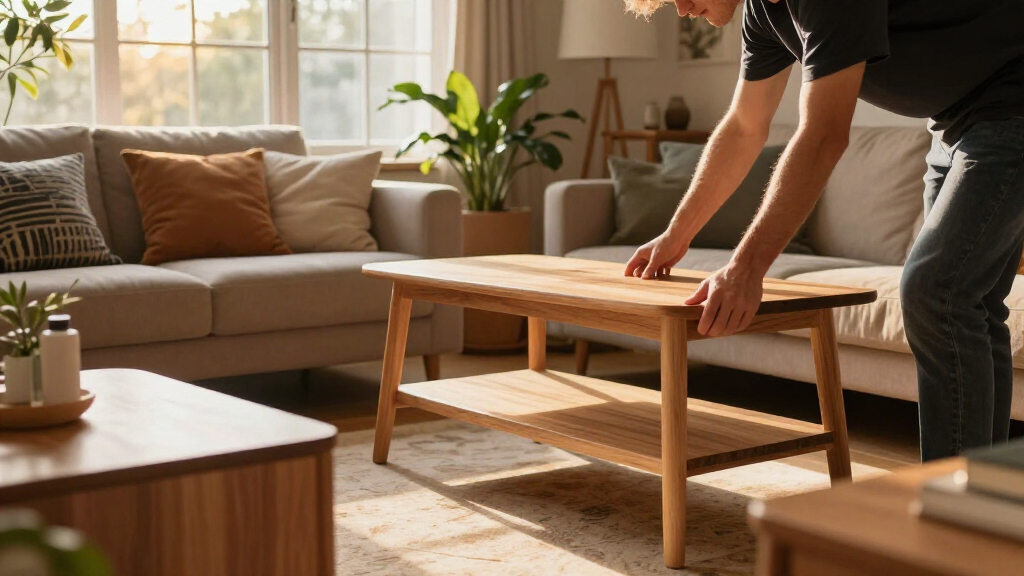
While the rule itself is rooted in established design principles of balance and emphasis, its specific application to affordable furniture is a recent trend. Several social media posts and design blogs have highlighted before-and-after examples where budget furniture was styled using this approach to create a high-end look. Experts note that the strategy hinges on thoughtful color coordination, positioning, and complementary decor to distract from the low-cost materials.
However, there is limited scientific or professional validation of the rule’s effectiveness in genuinely increasing furniture durability or quality perception. The trend appears to be more about visual trickery than material enhancement, with some critics warning that it may not be a substitute for investing in quality furniture when durability is a concern.
Impact on Consumer Perception and Interior Design Trends
The rise of the 70-20-10 rule in online design circles highlights a growing interest in cost-effective ways to achieve a luxurious aesthetic. For consumers, this could mean more affordable options for stylish interiors, as they learn to maximize visual impact without high spending. For the furniture industry, it signals a shift toward styling and presentation as key factors in perceived value, potentially influencing marketing and product design.
However, reliance on such styling tricks may lead to misconceptions about furniture quality and longevity. While the trend democratizes interior design, it also raises questions about the sustainability of superficial upgrades versus investing in durable, high-quality pieces. Overall, the trend underscores a broader shift toward visual sophistication in home decor, driven largely by social media influence.
affordable furniture styling accessories
As an affiliate, we earn on qualifying purchases.
As an affiliate, we earn on qualifying purchases.
Origins and Growing Popularity of the 70-20-10 Design Rule
The 70-20-10 ratio is a longstanding principle in branding and marketing, often used to balance visual elements. Its recent adaptation to interior styling, particularly for budget furniture, appears to be a new trend emerging in online design communities. The trend’s popularity surged in late 2023, fueled by social media platforms where influencers and DIY enthusiasts share styling tips and transformation photos.
While the exact origin of applying this rule to furniture styling is unclear, it aligns with broader trends emphasizing minimalism, color psychology, and strategic accessorizing. The trend is also part of a larger movement toward making home decor more accessible and affordable, especially as consumers seek stylish options amid economic uncertainties and rising furniture costs.
Despite the hype, there is little formal research or endorsement from professional interior designers confirming the rule’s effectiveness beyond aesthetic appeal. Its rise appears to be driven mainly by peer sharing and visual comparisons online.
As an affiliate, we earn on qualifying purchases.
Effectiveness and Long-term Impact of the 70-20-10 Rule
It is not yet clear how sustainable or effective the 70-20-10 rule is in genuinely enhancing furniture quality or longevity. Most evidence is anecdotal, based on social media posts and styling examples, with limited scientific validation. The long-term impact on consumer perceptions and furniture durability remains uncertain, and some experts warn that styling tricks may only provide superficial improvements.
As an affiliate, we earn on qualifying purchases.
Future Validation and Adoption in Design Practices
As online interest continues to grow, more professional designers and researchers may analyze the true impact of the 70-20-10 rule on furniture perception. Future developments could include formal studies assessing its effectiveness or broader adoption in commercial styling. Meanwhile, consumers and DIY enthusiasts are likely to experiment further, blending this approach with other styling techniques to achieve high-end looks on a budget.
As an affiliate, we earn on qualifying purchases.
Key Questions
Can the 70-20-10 rule really make cheap furniture look expensive?
According to social media influencers and some interior decorators, applying the rule can enhance the visual appeal of budget furniture, making it appear more luxurious. However, this is primarily a styling effect and does not change the furniture’s material quality or durability.
Is the 70-20-10 rule scientifically proven to work?
No, there is limited scientific evidence supporting the effectiveness of this specific application. Most claims are anecdotal and based on visual styling examples shared online.
Does this trend replace investing in high-quality furniture?
Styling tricks like the 70-20-10 rule can improve appearance temporarily but do not substitute for durable, high-quality furniture when longevity is a priority. Experts advise balancing styling with material quality for best results.
Who popularized this approach?
The trend has been promoted by social media influencers and DIY home decor enthusiasts who share styling tips and transformation photos online.
Source: rss
Halloween Picks
halloween
As an affiliate, we earn on qualifying purchases.