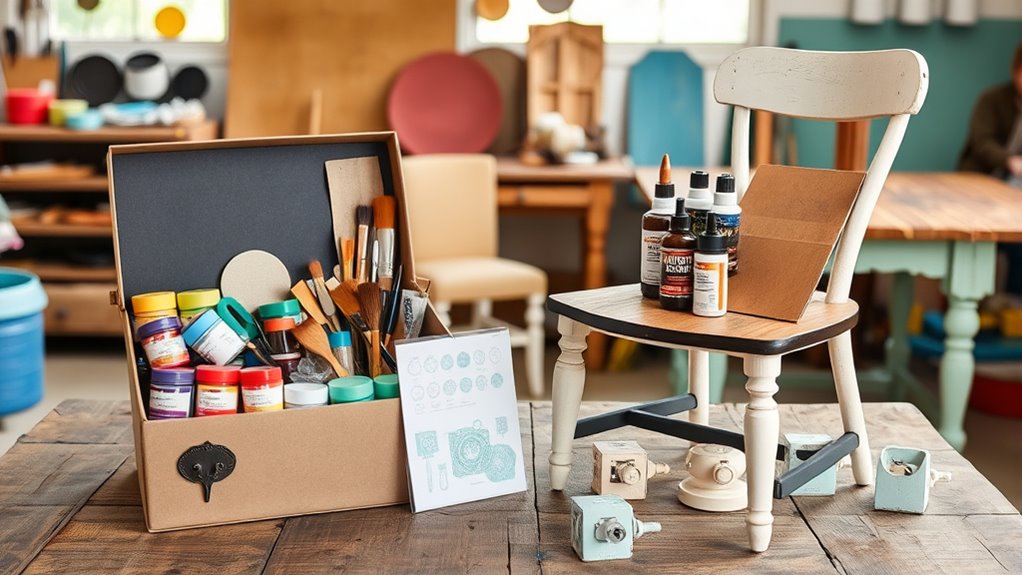

Transforming old furniture into stylish, functional pieces is a rewarding project that combines creativity with sustainability. For 2026, several books and guides stand out as top choices, each catering to different needs. The best overall pick is “Amazing Furniture Makeovers” for its practical DIY projects, while “Better Than New” offers comprehensive tips for refinishing. For those on a budget or just starting out, “Upcycling Old Furniture” provides straightforward techniques, but it lacks detailed content. Meanwhile, “Trash To Treasure” inspires eco-friendly crafting with numerous creative ideas, though it offers less technical guidance. Finally, “Furniture Flips” is perfect for adding vibrant colors to furniture, though it focuses solely on painting. These options illustrate a spectrum of approaches, each with its own tradeoffs in depth, ease, and scope.

Get furniture and decor delivered free with Prime
- Fast, free delivery on millions of items
- Prime Video, Amazon Music and more included
- Member-only deals all year
Complete the kit


Key Takeaways
- The best overall upcycling book combines practical DIY projects with inspiring ideas and clear instructions.
- Eco-friendly projects are well-represented by “Trash To Treasure,” offering numerous creative reuse ideas for all skill levels.
- For beginners, straightforward guides like “Upcycling Old Furniture” provide easy-to-follow techniques without overwhelming detail.
- Colorful transformations are best served by “Furniture Flips,” emphasizing painting techniques that brighten up furniture pieces.
- Refinishing and restoring old furniture is thoroughly covered in “Better Than New,” ideal for those wanting professional-looking results.


| upcycling kits transform old furniture | Author | Pages | Format | Skill Level |
|---|---|---|---|---|
| Upcycling Old Furniture: Simpl | Unknown | 120 | Print & Kindle | Beginner |
| Trash To Treasure | Unknown | 200 | Print & Kindle | All |
| Amazing Furniture Makeovers: E | Unknown | 144 | Print & Kindle | Beginner to Intermediate |
| Furniture Flips: 25 Bright and | Unknown | 80 | Print & Kindle | Beginner to Intermediate |
| Better Than New: Tips for Upcy | Unknown | 160 | Print & Kindle | Intermediate to Advanced |
More Details on Our Top Picks
Upcycling Old Furniture: Simple Techniques for Upcycling and Repurposing Furniture
This book excels at providing straightforward, easy-to-understand techniques perfect for newcomers. It inspires creative transformations without overwhelming with technical jargon. Compared to other guides, it lacks detailed projects or images, which may limit advanced users. For those just starting out, its simplicity can be a major advantage, but experienced DIYers may find it too basic. It’s best suited for casual hobbyists or anyone looking for quick ideas to refresh furniture.
Pros:- Easy-to-follow techniques for beginners
- Provides inspiration for creative furniture transformations
- Affordable entry point for upcycling projects
Cons:- Lacks detailed project instructions or images
- Limited content depth for advanced upcyclers
- No specific product details beyond basic tips
Best for: Beginners wanting simple, quick-to-implement ideas
Not ideal for: Experienced DIYers seeking in-depth techniques or detailed project plans
- Author:Unknown
- Pages:120
- Format:Print & Kindle
- Skill Level:Beginner
- Focus:Simple Techniques
- Price:$15
Our verdict“A solid starter guide for beginners interested in quick, creative furniture upcycling.”
Trash To Treasure (3rd Edition): 90 Crafts That Reuse Old Junk to Make New & Usable Treasures
This guide stands out for its extensive collection of 90 craft projects that turn discarded items into useful treasures. It’s perfect for those who value sustainability and have an interest in upcycling beyond furniture. Its wide variety of ideas fosters creativity, but it doesn’t provide detailed step-by-step instructions, making it better suited for those comfortable with improvising. Compared with more technical guides, it emphasizes eco-consciousness and fun, making it ideal for casual DIYers and environmentally minded crafters.
Pros:- Generates numerous creative upcycling ideas
- Encourages environmentally friendly crafting
- Suitable for all skill levels
Cons:- Limited technical guidance for complex projects
- No detailed instructions or images
- Focuses more on general crafts than furniture
Best for: Eco-conscious DIY enthusiasts seeking diverse craft ideas
Not ideal for: Users looking for detailed furniture-specific techniques or professional finishes
- Author:Unknown
- Pages:200
- Format:Print & Kindle
- Skill Level:All
- Focus:Recycling & Crafts
- Price:$20
Our verdict“A versatile resource for eco-minded crafters eager to reuse and recycle creatively.”
Amazing Furniture Makeovers: Easy DIY Projects to Transform Thrifted Finds into Beautiful Custom Pieces
This book offers practical, step-by-step projects that guide readers through transforming thrifted furniture into eye-catching, personalized pieces. It’s a great choice for those who want to combine affordability with creativity, providing clear instructions that make DIY projects accessible. When compared with more conceptual guides, it’s more focused on execution, making it ideal for DIYers who prefer tangible results and detailed workflows. However, it doesn’t delve into advanced techniques, limiting its appeal to more experienced restorers.
Pros:- Inspires creative furniture upcycling
- Step-by-step DIY projects
- Affordable way to decorate with unique pieces
Cons:- Limited to a book format, no physical tools or products
- Lacks advanced techniques for professional finishes
- Content may be too basic for experienced restorers
Best for: DIY enthusiasts looking to create custom furniture pieces from thrifted finds
Not ideal for: Those seeking in-depth technical refinishing or artistic painting techniques
- Author:Unknown
- Pages:144
- Format:Print & Kindle
- Skill Level:Beginner to Intermediate
- Focus:Furniture Makeovers
- Price:$18
Our verdict“Ideal for DIYers who want straightforward projects to personalize thrifted furniture.”
Furniture Flips: 25 Bright and Vibrant Painted Furniture Projects
This guide is dedicated to adding vibrant color to furniture through painting. It offers 25 creative projects that emphasize bold, bright finishes, making it perfect for DIY enthusiasts who want to make a statement. Compared with other books, it focuses solely on painting techniques, providing practical tips for achieving professional-looking results. While inspiring for those who love color, it lacks content about structural repairs or refinishing, so it’s less suited for restoring old furniture beyond painting.
Pros:- Inspires with vibrant, eye-catching projects
- Provides practical painting techniques
- Great for adding personality to furniture
Cons:- Limited to painting and color application
- No detailed info on structural repairs
- No customer reviews or ratings available
Best for: DIYers interested in bold, colorful furniture transformations
Not ideal for: Those looking for comprehensive upcycling or refinishing techniques
- Author:Unknown
- Pages:80
- Format:Print & Kindle
- Skill Level:Beginner to Intermediate
- Focus:Color & Painting
- Price:$12
Our verdict“Perfect for creative furniture painting projects aimed at brightening up any space.”
Better Than New: Tips for Upcycling and Refinishing Furniture
This book provides detailed tips and techniques for upcycling and refinishing furniture, making it ideal for those who want to elevate their skills. It covers surface preparation, paint application, and finishing touches, helping turn old pieces into high-quality, renewed furniture. Unlike the other guides, it emphasizes refinishing rather than just creative transformations, which may be more technical but offers professional results. It’s less suitable for complete beginners or those seeking quick projects, but perfect for DIYers looking to deepen their craftsmanship.
Pros:- Practical tips for refinishing and upcycling
- Helps create high-quality, renewed furniture
- Suitable for those wanting to improve skills
Cons:- Lacks basic or beginner-level guidance
- No detailed specifications or reviews available
- Content may be too technical for some users
Best for: Experienced DIYers and furniture restorers seeking professional results
Not ideal for: Complete novices or those seeking quick, simple projects
- Author:Unknown
- Pages:160
- Format:Print & Kindle
- Skill Level:Intermediate to Advanced
- Focus:Refinishing & Restoration
- Price:$22
Our verdict“A go-to resource for DIYers aiming for polished, professional furniture finishes.”

How We Picked
Our selection process focused on books and guides specifically aimed at transforming old furniture, evaluating content clarity, practicality, and scope. We prioritized options that balance ease of use with creative potential, ensuring that beginners and experienced DIYers alike can find value. We examined customer feedback, content depth, and the variety of techniques offered to ensure each pick provides a meaningful approach to upcycling. Products with clear instructions, diverse project ideas, and eco-friendly tips ranked higher, though we also considered affordability and accessibility. Overall, our goal was to highlight resources that truly empower users to breathe new life into old furniture with confidence.
| upcycling kits transform old furniture | Skill Level | Focus | Price |
|---|---|---|---|
| Upcycling Old Furniture: Simpl | Beginner | Simple Techniques | $15 |
| Trash To Treasure | All | Recycling & Crafts | $20 |
| Amazing Furniture Makeovers: E | Beginner to Intermediate | Furniture Makeovers | $18 |
| Furniture Flips: 25 Bright and | Beginner to Intermediate | Color & Painting | $12 |
| Better Than New: Tips for Upcy | Intermediate to Advanced | Refinishing & Restoration | $22 |
Factors to Consider When Choosing Upcycling Kits Transform Old Furniture
Choosing the right upcycling resource depends on your skill level, project goals, and preferred techniques. Whether you’re after quick ideas, eco-friendly crafts, or professional refinishing, understanding your needs helps narrow down the best options. Consider whether you want a simple guide, detailed technical advice, or creative inspiration. The following sections highlight key factors to help you select the perfect upcycling kit or book for your furniture transformation journey.Skill Level and Content Depth
Beginner guides like “Upcycling Old Furniture” focus on simple techniques, making them ideal for casual hobbyists. More advanced options like “Better Than New” provide in-depth refinishing methods, suitable for experienced DIYers. Assess whether you need basic inspiration or detailed tutorials to match your current skill set and confidence level.
Project Focus and Techniques
Some guides emphasize painting, as seen in “Furniture Flips,” perfect for adding color and personality. Others, like “Amazing Furniture Makeovers,” focus on structural transformations. Consider whether you want quick cosmetic changes or comprehensive restorations involving sanding, refinishing, or creative reuse.
Content Format and Practicality
Books are great for detailed instructions, but digital guides or online courses might offer more interactive learning. Evaluate if you prefer step-by-step projects, visual guides, or quick tips. Also, look for content that matches your available tools and workspace capacity.
Eco-Friendliness and Creativity
If sustainability is a priority, choose guides like “Trash To Treasure” for their focus on repurposing. For artistic expression, “Furniture Flips” offers vibrant painting ideas. Match your values and creative style with the guide’s focus to make the most of your upcycling projects.
Frequently Asked Questions
What should I consider when choosing an upcycling kit or book?
Focus on your skill level, the types of projects you want to undertake, and whether you prefer detailed instructions or quick inspiration. Also, consider if the resource emphasizes eco-friendly practices, specific techniques like painting or refinishing, and the format that suits your learning style best.
Are books sufficient for learning upcycling techniques?
Yes, books can provide comprehensive guidance, especially when they include step-by-step instructions, photos, and project ideas. However, supplementing reading with videos or online tutorials can enhance understanding, particularly for complex techniques like refinishing or painting.
Which guide is best for eco-friendly furniture upcycling?
“Trash To Treasure” stands out as an ideal choice because it offers numerous craft projects that repurpose old junk into usable items, emphasizing sustainability and creative reuse. It’s perfect for environmentally conscious DIYers looking for inspiration beyond furniture alone.
Can I use these guides if I want to do professional furniture refinishing?
Guides like “Better Than New” are designed for those seeking professional-quality results, offering detailed tips on refinishing and surface preparation. They are suitable for experienced DIYers aiming to elevate their skills beyond basic transformations.
How do I choose between a minimalistic guide and a comprehensive book?
If you prefer quick ideas and simple techniques, a concise guide like “Upcycling Old Furniture” may be enough. For more detailed projects that cover multiple techniques, a comprehensive book like “Better Than New” provides in-depth guidance, though it requires more time and effort.
Conclusion
If you’re new to furniture upcycling or want quick, creative ideas, the beginner-friendly options like “Upcycling Old Furniture” or “Amazing Furniture Makeovers” are ideal. Eco-conscious crafters will find “Trash To Treasure” inspiring, while those seeking professional results should consider “Better Than New.” For artistic, colorful transformations, “Furniture Flips” offers focused painting techniques. Ultimately, your choice depends on your skill level, project goals, and personal style, but each of these resources can help turn old furniture into something special.
Columbus Day / Indigenous Peoples' Day Picks
long weekend sales
As an affiliate, we earn on qualifying purchases.