
TL;DR
Four florists describe alternatives to conventional green Christmas wreaths, including unexpected colors, varied textures, asymmetrical shapes and less familiar materials. Their suggestions are expert design ideas; the source does not establish a single dominant trend or report a formal product launch.
Four florists are recommending ways to rethink the Christmas wreath for the 2026 decorating season, using unexpected color, mixed textures, unusual materials and less conventional shapes instead of relying only on a full circle of evergreen. The advice, gathered from designers at Cowboy Petals, Your London Florist, Liza Langen Flowers and Calluna, offers homeowners practical inspiration for a decoration that is often overshadowed by the Christmas tree.

Get furniture and decor delivered free with Prime
- Fast, free delivery on millions of items
- Prime Video, Amazon Music and more included
- Member-only deals all year
The designers’ shared starting point is to treat a wreath as a floral composition rather than a fixed recipe. Ellie Jeffers of Your London Florist says her team considers color, texture, shape and the atmosphere a piece should create, along with where it will be displayed and how it fits the surrounding decor. Florist Andrew Ruiz, founder of Los Angeles studio Cowboy Petals, similarly describes a wreath as a creative canvas, encouraging experimentation with color, non-greenery textures and ribbon.
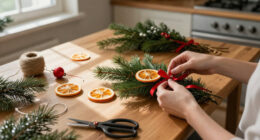
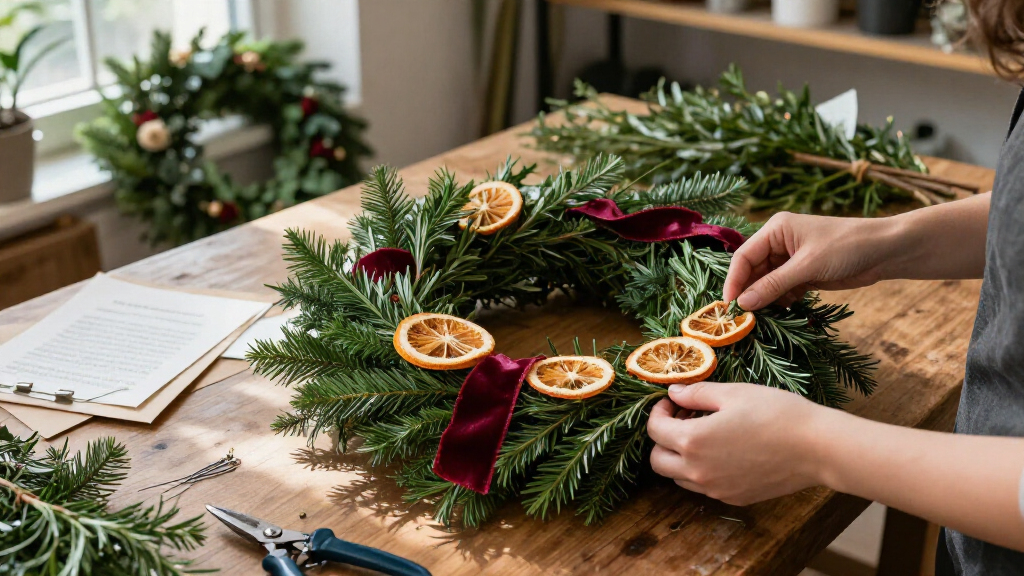
Materials can lead the design. Liza Langen of Liza Langen Flowers says she starts with the season and a chosen “hero material,” citing pine branches with small cones, tillandsia moss, dried limes and araucaria branches as recent favorites. At Calluna, florist Lydia says seasonal varieties can be combined in many ways, with color, texture and shape helping bring the arrangement together.
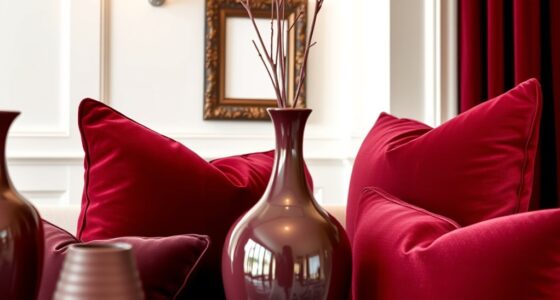
The suggestions also challenge the familiar round, dense, green wreath. Langen points to asymmetry, negative space and a tight color palette as ways to make a design feel more contemporary. Jeffers recommends looking beyond standard festive colors, naming burgundy, burnt orange, soft blush, deep plum and muted earth tones. Your London Florist has also used white tulle and Spanish moss in a dramatic design, according to the source report.
Rethink the Christmas wreath with color, texture and shape
Four florists share design ideas for moving beyond a dense green circle. Their suggestions are creative guidance, not evidence of a leading market trend.
Start with a design choice
Choose the display setting and mood, then build around color, texture, shape or a hero material.
Consider where the wreath will go and how it fits the surrounding decor.
Begin with a seasonal material or a limited color palette.
Use texture, asymmetry or negative space to give the design character.
Ideas beyond evergreen
The florists suggest combinations rather than one prescribed formula.
Look beyond green
Try burgundy, burnt orange, soft blush, deep plum or muted earth tones.
Mix unexpected textures
Ideas include dried limes, tillandsia moss, small cones, white tulle and Spanish moss.
Make room for space
An asymmetrical form and negative space can make a wreath feel more contemporary.
Design advice, not a market verdict
The report gathers recommendations from four florists for the 2026 decorating season.
- Practical inspiration for shoppers and DIY decorators
- Ways to coordinate materials with a room’s decor
- Ideas for combining traditional greenery with other elements
- Whether these designs are gaining popularity
- Which style leads the 2026 market
- Material costs, durability or care requirements
A Wreath Beyond the Front Door
These ideas widen the role a wreath can play in seasonal decorating. Rather than treating it as a standard green ring for an entryway, homeowners can use shape, color and material to make it suit a particular room or complement existing decor. A wreath displayed indoors, for example, can be planned around nearby textiles, furniture or other holiday pieces; the source does not prescribe one placement or style as best.
The advice may also help shoppers and DIY decorators make more deliberate choices. Starting with one material or a limited palette gives a project a clearer direction, while experimenting with texture can add interest without piling on many colors or decorations. The florists’ comments are design guidance rather than measured consumer research, so they do not show how popular these approaches are or whether they outperform traditional wreaths.
Products Worth Considering

Bose Lifestyle Ultra Speaker

Dyson V15 Detect Cordless Stick Vacuum

Roborock Q10 S5+ Robot Vacuum and Mop with 10,000 Pa Suction
As an affiliate, we earn on qualifying purchases.
From Evergreen to Experiment
Christmas wreaths have a familiar place in seasonal decor, but the source report notes that they often receive less attention than the tree. Its purpose is to present four florists’ approaches to making wreaths feel more individual, not to announce a new industry standard or a specific commercial collection.
The designers’ advice centers on decisions that can be made before assembling a wreath: where it will go, what mood it should create, which materials are available, and whether a conventional circular form is needed. Traditional greenery such as pine, spruce and magnolia can still be part of a design; the report’s point is that they can be combined with other elements rather than used alone.
“A wreath should be treated as a blank artistic canvas for your creativity to flow. There are no rules; make the wreath truly your own.”
— Andrew Ruiz, designer and founder of Cowboy Petals
What the Design Advice Cannot Show
The source presents expert opinions and examples, not survey results, sales figures or a forecast supported by market data. It does not establish whether unconventional wreaths are becoming more popular, identify a leading style for 2026, or compare the cost and durability of the suggested materials.
It also does not provide full instructions for constructing or preserving each design. The longevity of fresh foliage, suitability of specific materials for outdoor weather, and exact sourcing or care requirements are not stated. Readers choosing materials will need to check their condition and suitability for the intended display location.
Choosing Materials for the Season
The next step for anyone taking inspiration from the florists is to choose a display location and a material or color that can anchor the design. From there, consider shape, texture and the surrounding decor before adding more elements. The designers’ guidance favors intentional combinations over following a single prescribed formula.
The source does not announce a future event, product release or scheduled update. Its practical takeaway for the Christmas season is to plan around available seasonal materials and the setting, while recognizing that the final design—and how well particular components hold up—will depend on the choices made.
Key Questions
What are the four florists suggesting for Christmas wreaths?
They suggest experimenting with color, texture, materials and shape instead of relying only on a full, green circle of evergreen. The report includes ideas such as asymmetry, negative space and unexpected festive colors.
Which unusual materials are mentioned?
Liza Langen names pine branches with small cones, tillandsia moss, dried limes and araucaria branches. Your London Florist’s example uses white tulle and Spanish moss.
Does a Christmas wreath have to be round and green?
No. Langen says asymmetry and negative space can make a wreath feel more contemporary, while the florists also recommend looking beyond a traditional green palette. These are design options, not requirements.
Which colors can work for a less traditional wreath?
Jeffers suggests burgundy, burnt orange, soft blush, deep plum and muted, earthy shades. She also recommends letting the natural materials guide the palette.
Are the florists’ ideas proven to be the leading wreath trend for 2026?
The source does not provide sales data, surveys or other evidence showing that these styles are leading the market. It presents four florists’ recommendations for creative seasonal decorating.
Source: livingetc.com