
Mid-century modern furniture is definitely worth the hype if you appreciate timeless design, iconic pieces, and craftsmanship. Its clean lines, organic shapes, and innovative use of materials make it both stylish and functional. Authentic pieces tend to hold or increase value over time, especially with proper care and provenance. Whether you’re an enthusiast or collector, understanding its history and features can help you make smart choices. Discover more to see how you can incorporate these classics into your space.
Key Takeaways
- Authentic Mid-Century Modern furniture offers timeless design, durability, and potential for appreciation, making it a valuable investment.
- Its clean lines and minimalist aesthetic enhance various interior styles, boosting its desirability and relevance today.
- The high demand among collectors and design enthusiasts often results in strong resale value.
- Reproductions are more affordable but lack the craftsmanship and longevity of authentic pieces.
- Proper care, provenance, and authenticity significantly influence long-term value and investment potential.

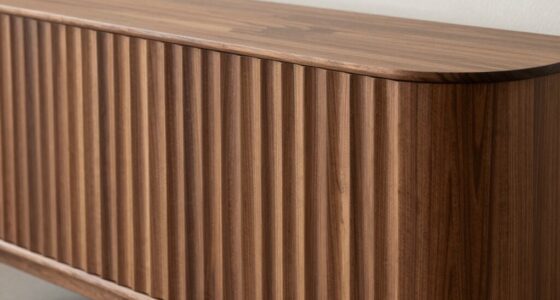
BAXTON STUDIO Haversham Mid-Century Retro Modern TV Stand Entertainment Center and Display Unit
- Design: Mid-century modern style
- Materials: MDF, engineered wood, solid wood legs, PU veneer
- Finish: Walnut finish
As an affiliate, we earn on qualifying purchases.
As an affiliate, we earn on qualifying purchases.
The Origins and Evolution of Mid-Century Modern Design
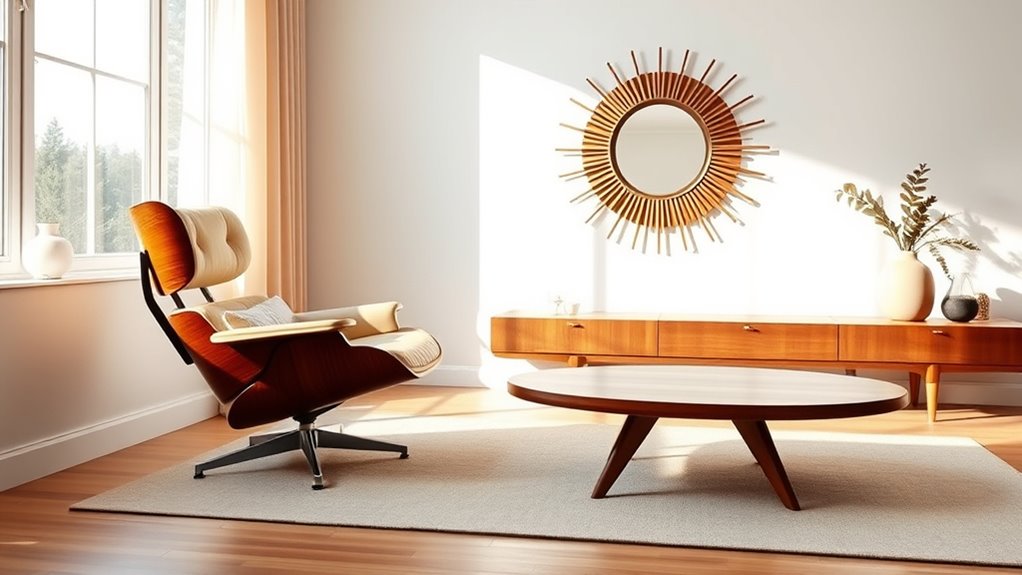
Have you ever wondered where mid-century modern design comes from? Its origins are deeply rooted in a mix of cultural influences and technological innovations. Post-World War II, there was a desire for fresh, functional, and affordable furniture, inspired by Scandinavian simplicity and Japanese minimalism. Technological advances in manufacturing, like new plastics, plywood, and metal fabrication, allowed designers to experiment with sleek, innovative forms. Cultural shifts toward optimism and forward-thinking shaped the style’s clean lines and organic shapes. As a result, mid-century modern evolved from these combined factors, emphasizing practicality without sacrificing aesthetics. This movement reflected society’s embrace of modernity, blending craftsmanship with industrial processes, and setting the stage for its enduring influence on furniture design today.

OTDMEL Mid Century Modern Top Grain Leather Chaise Lounge Chair & Ottoman
- Delivery in Two Packages: May arrive separately, contact us for issues
- Versatile for Multiple Spaces: Suitable for living rooms, bedrooms, offices, and more
- Ideal for Relaxation and Work: Perfect for reading, lounging, and working
As an affiliate, we earn on qualifying purchases.
As an affiliate, we earn on qualifying purchases.
Distinct Features That Define the Style
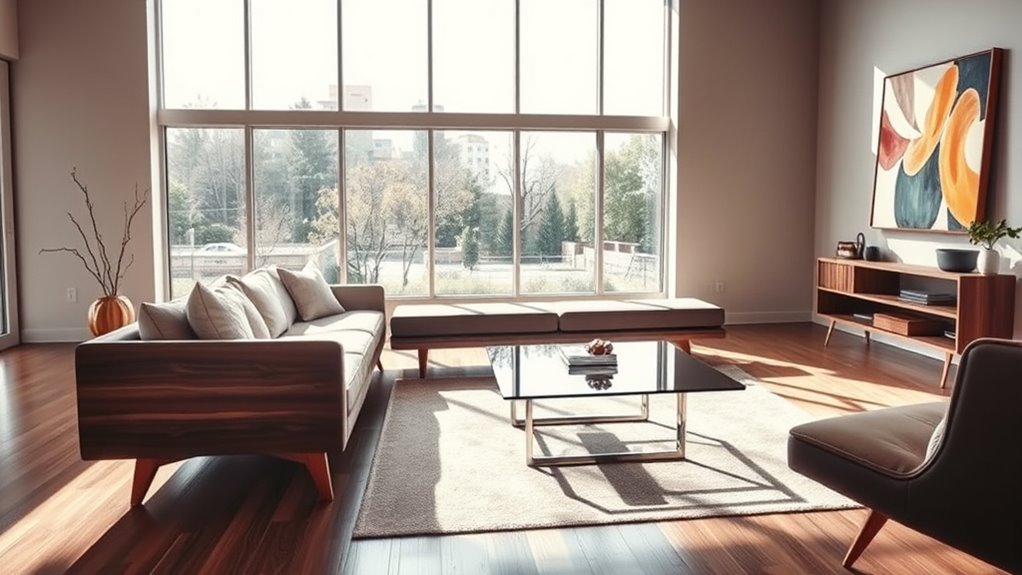
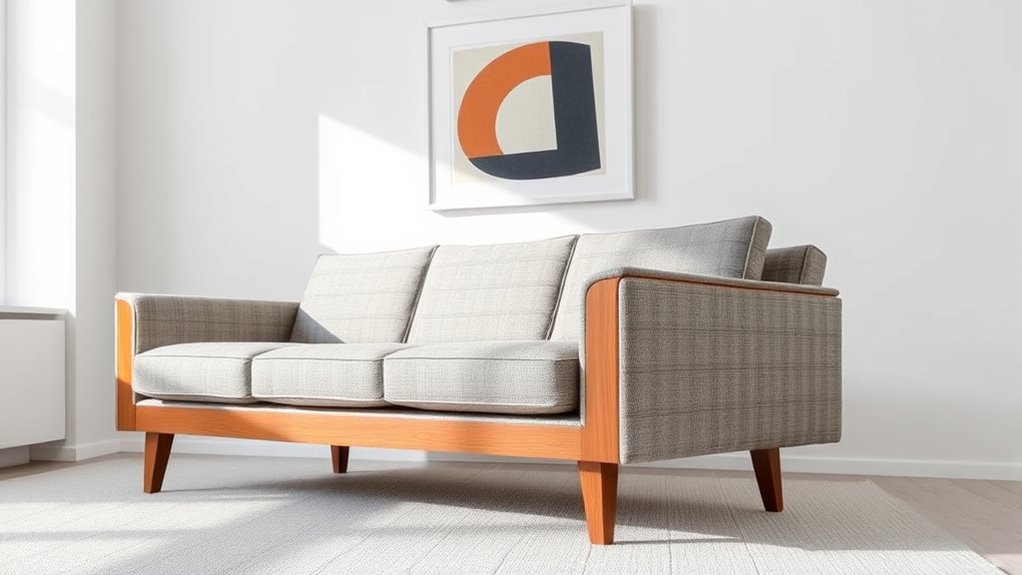
Mid-century modern furniture is instantly recognizable by its clean lines and minimalist aesthetic. Its distinct features include a focus on material authenticity, highlighting natural woods like teak and walnut. The style favors simple, functional forms without unnecessary ornamentation. The color palette emphasizes earthy tones such as warm browns, muted oranges, and soft pastels, creating a balanced and inviting look. You’ll notice:
- Use of genuine materials that showcase craftsmanship
- Emphasis on sleek, geometric shapes
- Neutral and subdued colors with occasional bold accents
- Functional designs that blend form and purpose seamlessly
- The style often incorporates timeless appeal that remains relevant across design trends
These features come together to create furniture that’s both timeless and versatile, emphasizing authenticity and understated elegance. This clarity in design makes mid-century modern a lasting favorite.

Hansweld 43.5" Tulip Table, Round Dining Table with Thickened Tabletop & Metal Pedestal, Mid Century Modern Bistro Circle Table for Kitchen, Small Places, Living Room, Cafe (White)
- Tabletop Material: MDF for easy cleaning
- Table Diameter: 43.5 inches for 5-6 people
- Table Height: 29 inches ergonomic design
As an affiliate, we earn on qualifying purchases.
As an affiliate, we earn on qualifying purchases.
Iconic Pieces and Designers Who Shaped the Movement

Several designers and iconic furniture pieces played pivotal roles in shaping the mid-century modern movement, making it both influential and enduring. You’ll recognize classics like the Eames Lounge Chair, designed by Charles and Ray Eames, and the Saarinen Tulip Table by Eero Saarinen. These pieces remain highly sought after in the vintage market, fueling collector interest and designer collaborations. Notable designers like George Nelson and Arne Jacobsen also contributed timeless pieces that define the style. Their innovative use of materials and sleek forms continue to inspire contemporary designers. For example, the anti-aging effects of certain materials and construction techniques help maintain the style’s relevance. Here’s a quick look at some icons:
| Designer | Iconic Piece | Contribution |
|---|---|---|
| Charles & Ray Eames | Lounge Chair | Comfort & versatility |
| Eero Saarinen | Tulip Table | Minimalist elegance |
| George Nelson | Coconut Chair | Playful, sculptural design |
| Arne Jacobsen | Egg Chair | Iconic seating |
| Hans Wegner | Wishbone Chair | Functional artistry |

Walker Edison Mid-Century Modern Wood Kitchen Buffet Sideboard Entryway Serving Storage Cabinet Doors Dining Room Console, 70 Inch, Walnut
- Design Style: Mid-century modern aesthetic
- Storage Capacity: Three spacious drawers
- Smooth Operation: Telescoping metal drawer glides
As an affiliate, we earn on qualifying purchases.
As an affiliate, we earn on qualifying purchases.
Evaluating the Value and Durability of Mid-Century Modern Furniture

Evaluating the value and durability of mid-century modern furniture requires careful consideration of several factors. You should assess craftsmanship quality, noting how well each piece is built and finished. Material longevity is also vital—look for solid wood frames, high-quality veneers, and durable fabrics that stand the test of time. Engaging with inspirational quotes from design pioneers can offer valuable insights into the timeless appeal and enduring quality of mid-century modern pieces. Consider these points:
- Expert craftsmanship ensures stability and aesthetic appeal
- High-quality materials resist wear and aging
- Proper maintenance extends furniture lifespan
- Authentic vintage pieces often outperform reproductions
How to Incorporate Mid-Century Modern Elements Into Your Home

Incorporating mid-century modern elements into your home can instantly refresh your space with timeless style and clean lines. Start by focusing on color coordination—stick to neutral tones like grays, whites, and browns, then add pops of bold colors like teal or mustard for contrast. Mix materials intentionally; combine wood, metal, and plastic to create visual interest without clutter. For example, pair a wooden coffee table with metal-legged chairs or glass accents. Keep furniture sleek and functional, avoiding overly ornate pieces. Incorporate statement lighting or geometric patterns in textiles to enhance the mid-century vibe. Remember, understanding the mechanics of French press is helpful when selecting materials and textures that complement each other’s durability and aesthetic appeal. Balance is key: blend modern pieces with vintage finds to create a cohesive, stylish environment that feels both fresh and authentic.
The Pros and Cons of Investing in Mid-Century Modern Pieces

When investing in mid-century modern furniture, you need to contemplate whether to buy authentic pieces or reproductions, as each has its own benefits and drawbacks. Long-term value and cost also play a big role in your decision, impacting whether the furniture is a smart investment. Understanding these factors helps you make choices that match your style and budget. Additionally, considering the historical significance of mid-century modern design can enhance your appreciation and the potential value of your pieces over time.
Authentic vs. Reproductions
Are you torn between choosing authentic mid-century modern furniture or reproductions? Authentic pieces showcase authentic craftsmanship, often made with high-quality materials and attention to detail. Reproductions, on the other hand, vary widely in reproduction quality, which can affect durability and appearance. Additionally, solar panels with high efficiency ratings can be a sustainable investment to complement your home’s aesthetic. Consider these points:
- Authentic furniture retains original charm and historical value.
- Reproductions are typically more affordable and accessible.
- Authentic pieces often require more maintenance and care.
- Reproductions might lack the same durability or authenticity.
Your choice depends on your priorities: if authenticity and craftsmanship matter most, go authentic. If budget and immediate aesthetic are key, reproductions can be a practical alternative.
Long-term Value and Cost
Investing in mid-century modern furniture can be a smart long-term decision, but it’s important to weigh the potential costs and benefits carefully. When considering price comparison, authentic pieces often come with a higher upfront cost, but they tend to retain or increase their resale value over time. This durability and timeless appeal make them a worthwhile investment, especially if you plan to sell later. Additionally, technology advancements in manufacturing have improved the quality and authenticity of reproductions, making them more attractive options for budget-conscious buyers. Reproductions are usually more affordable initially but may not hold their value as well. Keep in mind that the long-term value depends on the piece’s condition, provenance, and market demand. If you’re after a true investment, authentic mid-century modern furniture generally offers better resale value, though it requires a larger initial outlay.
Frequently Asked Questions
How Does Mid-Century Modern Furniture Impact Indoor Air Quality?
When you choose mid-century modern furniture, it can impact indoor air quality by releasing airborne toxins and VOC emissions, especially if made from low-quality or untreated materials. These emissions may cause health issues over time. To minimize this, opt for pieces made from eco-friendly, low-VOC materials, and guarantee good ventilation. This way, you enjoy the stylish design without compromising your home’s air quality.
Are There Sustainable Options Within Mid-Century Modern Furniture?
You’ll find sustainable options in mid-century modern furniture by seeking out pieces made from reclaimed materials and finished with eco-friendly finishes. These choices help reduce environmental impact while maintaining the iconic style you love. When shopping, ask about the materials and finishes used, ensuring your furniture aligns with your eco-conscious values. This way, you enjoy timeless design without compromising sustainability or quality.
What Are Common Restoration Challenges for Vintage Pieces?
When restoring vintage pieces, you might feel like a detective solving a mystery. Common challenges include repairing damaged wood, replacing worn-out upholstery, and applying proper polish techniques to bring back their original charm. I once restored a mid-century sideboard, carefully matching its finish. Vintage repair requires patience and skill, but with the right approach, you can revive its beauty and value, making each piece a timeless treasure.
How Does Mid-Century Modern Design Influence Contemporary Architecture?
Mid-century modern design influences contemporary architecture through its bold color palettes and innovative material choices. You’ll notice clean lines and functional forms that inspire today’s minimalist aesthetic, while vibrant hues add energy to spaces. By embracing these elements, you create a seamless blend of vintage charm and modern sophistication, making your home stand out. This style encourages you to experiment with textures and colors, shaping a space that’s both timeless and fresh.
Can Mid-Century Modern Furniture Increase Home Resale Value?
You might find that adding mid-century modern furniture can boost your home’s resale value, especially if you’re staging it for sale. Its sleek, timeless appeal enhances curb appeal and attracts buyers who appreciate style and functionality. When you incorporate these iconic pieces, you create a cohesive, attractive space that stands out. This strategic choice can make your home more memorable, increasing the chances of a quicker, higher offer.
Conclusion
Deciding whether mid-century modern furniture is worth the hype depends on your style sensibilities and space needs. With its timeless appeal, thoughtful craftsmanship, and trendy yet adaptable charm, it’s a worthwhile investment. Embrace the elegance, explore iconic designs, and elevate your environment. Ultimately, if you value vintage vibes with a modern twist, this movement’s magic might just make your home a masterpiece of modernity. Make your space stylish, sustainable, and simply stunning.