
TL;DR
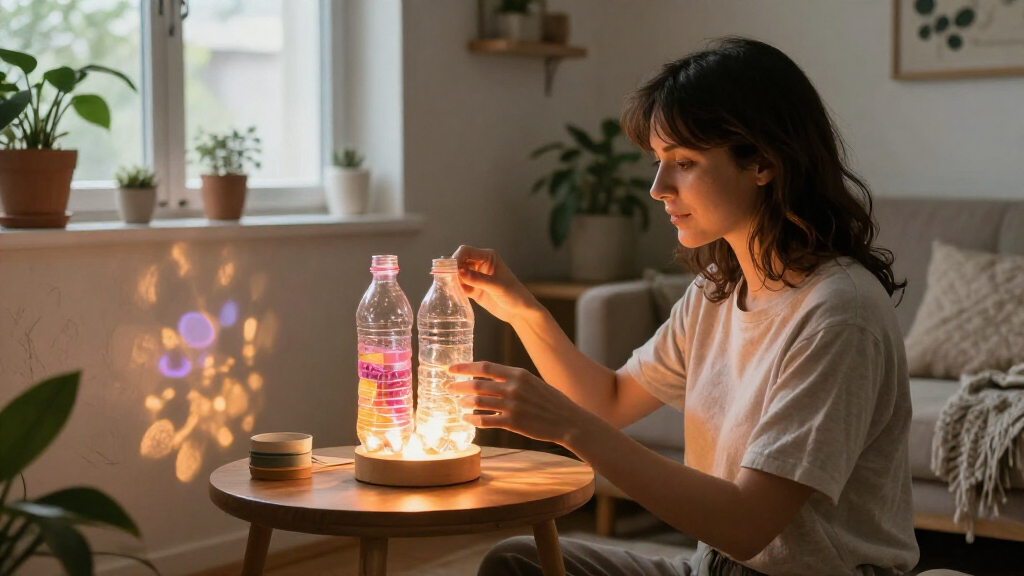
A YouTube tutorial by creator deryatavas shows how to reshape a plastic drink bottle into a jellyfish-style mood lamp using battery-powered LED string lights. The project reuses a disposable container, but heating plastic can produce harmful fumes, so ventilation and careful handling are important.
A YouTube tutorial by creator deryatavas shows how to turn a used plastic drink bottle into a jellyfish-shaped mood lamp with curling plastic strips and battery-powered LED string lights. Hunker reported on the project, which offers a decorative reuse idea while raising a practical safety concern: heating plastic can produce potentially harmful fumes.

Get furniture and decor delivered free with Prime
- Fast, free delivery on millions of items
- Prime Video, Amazon Music and more included
- Member-only deals all year
The project uses a tall, relatively sturdy plastic beverage bottle, battery-operated LED string lights, glue, and scissors or a knife. The bottle is washed and stripped of its label before its top and bottom sections are cut and reshaped into the lamp’s dome and tentacles. The tutorial also shows adding small holes to the strips for texture and using paint pens to add color.
To shape the plastic, the creator briefly heats cut strips with a lighter, while the report also lists a hair dryer or heat gun as alternatives. The source says the top and bottom pieces can be arranged in different ways: one method joins the cut bottle sections, while a simpler version uses the bottle’s rounded bottom as the dome. The pieces are glued together to form the jellyfish outline.
For illumination, the tutorial threads battery-powered LED string lights through a hole in the lamp and folds the wire so the lights sit among the tentacles. The battery pack can remain accessible outside the bottle or be attached inside, according to the report. Hunker also mentions puck lights and solar LED lights as possible alternatives, but provides no testing or performance details for those options.
A Second Use for Drink Bottles
The project turns a commonly discarded container into a small decorative light, giving readers a specific reuse idea rather than treating the bottle as waste with no further purpose. Its jellyfish shape also makes the finished object more distinctive than a basic bottle lamp, using cut and curled sections to create the appearance of tentacles.
The tutorial may appeal to people seeking a low-cost craft, but the report does not establish the project’s total cost, durability, or environmental benefit. It does cite Dollar Tree’s 10-foot LED string lights at $1.50 per pack; that is a cited price for one component, not a full project budget. Readers would still need to account for materials they already own or purchase, and local prices may differ.
Safety affects whether the reuse idea is appropriate to attempt. The shaping method involves warming plastic, and Hunker warns that this can release potentially harmful fumes. The choice of lighting matters too: the report recommends LEDs because they produce less heat than other bulbs and describes them as the safer option for contact with the plastic. These precautions are relevant to anyone considering the craft, not proof that every version is risk-free.
Products Worth Considering

Samsung 55-Inch M70H Series 4K HDR Mini-LED Smart TV with HDMI Cable and 12-Month CPS Warranty

Philips Hue Bridge Pro Smart Lighting Hub, 1-Pack

Philips Hue Play Floor Lamp, RGBWWIC LED, 53 Inch, Black
As an affiliate, we earn on qualifying purchases.
How the Bottle Becomes a Jellyfish
Hunker’s report presents the lamp as one example of a broader kind of bottle-reuse craft. The tutorial starts with a clean, label-free bottle, then cuts its parts into strips and curves them to suggest the jellyfish’s trailing tentacles. A separate rounded section forms the cap-like body. The design depends on reshaping the bottle rather than adding a separate fabric or paper shade.
The light source is not built into the bottle. Instead, the tutorial uses battery-powered string lights threaded through the plastic, with the wire or an added plastic loop available to hang the finished decoration. This makes the lamp distinct from a mains-powered fixture, although the source does not give instructions about hanging limits, battery type, or how long the lights operate. Hunker also notes that other plastic bottles may suit art-lamp projects, but its detailed example concerns a beverage bottle.
“Heating or melting plastic can produce potentially harmful fumes.”
— Hunker report
Safety and Performance Details
The source does not identify the plastic resin used in the featured bottle or provide measurements for heating time, temperature, or distance. It also does not report whether the finished lamp was tested for heat buildup, long-term durability, or use around children and pets. The warning about fumes is clear, but the report gives no specific ventilation standard or mask specification beyond suggesting ventilation and a mask designed to filter fumes.
It is also unclear how bright the lamp is, how long its batteries last, or whether the creator’s exact materials and method are available in a complete written instruction set. The cited $1.50 light price is a retailer example in the report, not confirmation that the same product or price is currently available everywhere. The solar-light and puck-light options are suggestions, not documented tests of completed versions.
Before Trying the Bottle Lamp
The report describes an existing tutorial rather than a newly announced product or scheduled follow-up. Readers interested in the project can consult the original video by deryatavas for the demonstrated cuts and assembly, then check the instructions and warnings for any tools and materials they plan to use. Hunker’s article does not say that the creator has announced further designs or updates.
Anyone proceeding should work in a well-ventilated area and take the report’s fume warning seriously when reshaping plastic. Use battery-powered LED lights rather than a hotter bulb, keep the battery pack accessible if needed, and stop if the plastic smokes or produces an unpleasant odor. Those steps do not establish that the craft is risk-free; the source does not provide a formal safety assessment.
Key Questions
What is the DIY lamp made from?
The featured design uses a plastic drink bottle reshaped into a jellyfish form, with battery-powered LED string lights for illumination. Glue and a cutting tool are also listed in the report.
How are the jellyfish tentacles made?
The bottle is cut into strips, which the tutorial briefly heats to curl and reshape. The report says a lighter, hair dryer, or heat gun can be used, but warns that heating plastic can produce potentially harmful fumes.
What lights does the report recommend?
Hunker recommends LED string lights, saying they produce less heat than other lights and are the safer choice to use near plastic. Puck lights and solar LED lights are mentioned as alternatives, but the report does not provide test results for them.
Is the project’s total cost known?
No. The report cites a Dollar Tree example of 10-foot LED string lights priced at $1.50 per pack, but it does not calculate the full cost of the bottle lamp or confirm that price is available in every location.
What safety precautions are mentioned?
The report advises working with good ventilation and considering a mask designed to filter fumes while heating plastic. It also recommends LED lights because they produce less heat. The article does not provide a formal safety certification for the finished lamp.
Source: hunker.com