
TL;DR
Hunker published a do-it-yourself guide to making patio cushions from placemats, using filling from old cushions or pillows, polyester fiberfill, or rolled plastic grocery bags. The project can be done without a sewing machine, but the guide does not provide tested durability or weather-resistance results.
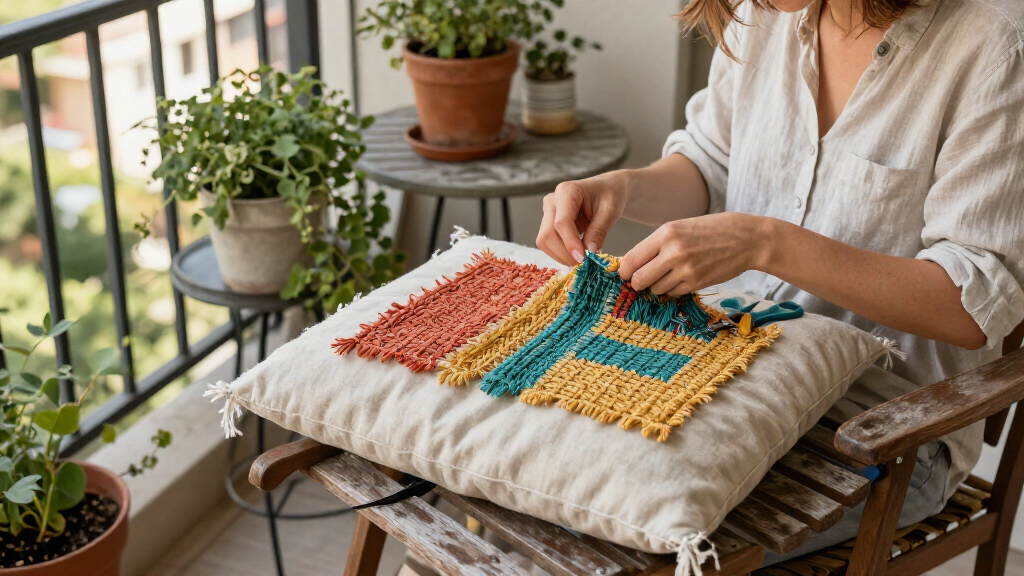
Hunker has published a do-it-yourself guide for turning placemats into patio cushions, offering a way to reuse household materials instead of buying replacement covers. The project uses a placemat as a cushion shell, filling such as polyester fiberfill or rolled plastic grocery bags, and either stitching or adhesive to close it.

Get furniture and decor delivered free with Prime
- Fast, free delivery on millions of items
- Prime Video, Amazon Music and more included
- Member-only deals all year
The guide recommends starting with a double-layered placemat, which already has a top and bottom. To fill it, the maker opens part of an existing seam on one side, leaving a gap large enough to insert stuffing. The opening should not extend along the entire edge, so the placemat can still hold its shape while being filled.
For a single-layer placemat, Hunker says to join two together with their printed sides facing outward, leaving an opening for the filling. Its instructions distinguish between materials: fabric placemats can be joined with fusion tape or fabric glue and sealed with an iron, while polyester placemats should be glued without ironing. Sewing the edges is another option for people comfortable with that method.
Polyester fiberfill can come from old cushions or pillows, according to the report. The guide also suggests rolled plastic grocery bags as an alternative. It advises separating fiberfill clumps and pushing filling into corners with a wooden serving spoon to reduce lumps; plastic bags should be rolled before insertion. After filling, the remaining opening can be closed with a sewing machine, fusion tape, hot glue, fabric glue, or Steam-A-Seam.
A Reuse Option for Worn Cushions
The project gives readers a low-cost reuse option when patio cushions have faded or their covers have worn. Rather than replacing a complete cushion, someone may be able to repurpose placemats and filling already at home. Hunker also points to inexpensive placemats as a possible source of material, citing a Home Collection Colored Placemat sold by Dollar Tree for $1.50 in the report.
Placemats come in different colors and patterns, so the method can also let homeowners change the look of outdoor seating without buying a matching set of new cushions. That is a practical possibility, not a documented result: the source does not compare the cost of finished homemade cushions with retail replacements or report how long the covers last outdoors.
The suggested materials may suit different needs, but the guide is not a product test. It does not establish that every placemat, adhesive, or filling will withstand repeated exposure to sun, rain, or humidity. Readers should treat the project as a craft alternative and consider how they will store or protect the finished cushions.
Products Worth Considering

Dyson V8 Cyclone Cordless Vacuum

Levoit Core 300S-P Smart Wi-Fi Air Purifier

Philips Hue Play Floor Lamp, RGBWWIC LED, 53 Inch, Black
As an affiliate, we earn on qualifying purchases.
Why Outdoor Cushion Covers Wear
Hunker frames the DIY around common outdoor wear: sun exposure can fade fabric, while rain and humidity can leave covers damp and contribute to mold growth and musty odors. Those conditions can make replacing or refreshing patio cushions an ongoing expense for people who leave them outdoors during warm-weather use.
The report’s proposed alternative relies on placemats being sturdy and easy to clean, but it does not name a tested placemat material or give care instructions for the finished cushions. Its focus is a simple construction method: use an existing opening or join two mats, add filling, and close the gap. The report mentions fiberfill and plastic bags but does not recommend a particular brand of adhesive or specify drying times.
Durability and Weather Protection
No independent durability testing is included in the supplied report. It does not say how long a homemade cushion may last, whether particular placemats are suitable for extended outdoor exposure, or how well the suggested glues and tapes hold through heat and rain.
The guide also does not provide measurements for placemats, a target cushion thickness, or a specific quantity of filling. Results will depend on the size and construction of the materials used. Its suggestion that plastic bags will not grow fungus if left out in rain is presented in the report, but no test details or supporting evidence are provided.
Choosing Materials Before Assembly
Readers following the project can first check whether their placemats have two layers and whether their chosen filling and adhesive are compatible with the material. For single-layer mats, they can decide between sewing and the joining methods described by Hunker, while keeping an opening large enough to add filling.
The source provides no announced follow-up testing or later update. Anyone trying the method will need to judge the fit and firmness during assembly and decide whether to bring the finished cushions indoors or otherwise protect them from weather. The report does not establish how the finished cushions perform over time.
Key Questions
Can placemats be turned into patio cushions without sewing?
Yes. Hunker’s guide describes closing the opening with fusion tape, hot glue, fabric glue, or Steam-A-Seam instead of stitching. It does not report comparative tests of how well those methods hold outdoors.
What kind of placemat works best?
The guide recommends a double-layered placemat because it already has a front and back. For single-layer placemats, it says to join two together with their printed sides facing out, leaving an opening for filling.
What can I use to fill a homemade cushion?
Hunker suggests polyester fiberfill, including filling salvaged from old cushions or pillows, or rolled plastic grocery bags. The report does not specify how much filling to use.
Will a placemat cushion hold up in the rain?
The report does not provide weather-resistance testing or a lifespan for the finished cushions. It discusses plastic bags as a filling option but does not establish how the entire cushion, including its placemat shell and closure, performs in rain.
Source: hunker.com