
TL;DR
Homeowners are seeking advice on how to fix bowing basement walls. Experts recommend assessing the severity, understanding causes, and choosing appropriate repair methods. The guidance aims to prevent structural failure.
Homeowners experiencing bowing basement walls are advised to assess the severity of the damage and consider appropriate repair options to prevent further structural issues, according to recent discussions on r/HomeImprovement.
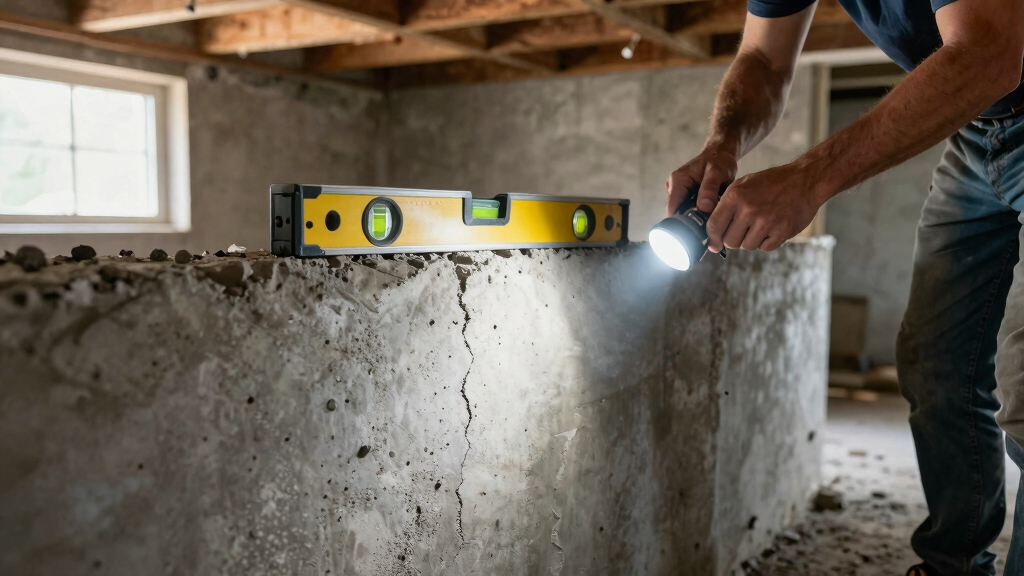
Recent discussions on r/HomeImprovement highlight common homeowner concerns about bowing basement walls. Experts recommend first evaluating the extent of bowing to determine whether it is cosmetic or structural. Minor bowing may be addressed with simple reinforcement, while significant deformation could require more extensive repairs.
Causes of bowing typically include soil pressure, water infiltration, and poor drainage around the foundation. Homeowners are advised to check for signs of water pooling, cracks, or shifting soil near their foundation. Addressing these underlying issues can help prevent further damage.
Repair methods vary based on severity. For minor cases, installing wall anchors or carbon fiber reinforcement can stabilize the wall. Severe cases might necessitate underpinning or foundation underpinning, which should be performed by licensed professionals. Experts emphasize the importance of consulting structural engineers for an accurate assessment.
Why Addressing Bowing Walls Is Critical
Bowing basement walls pose a risk of structural failure, which can lead to costly repairs or even safety hazards. Early assessment and intervention can prevent further deterioration, saving homeowners money and ensuring safety. Understanding when to seek professional help is essential to avoid overlooking serious issues that could compromise the foundation’s integrity.

RadonSeal Complete DIY Foundation Crack Repair Kit, 10 ft – Low-Viscosity Urethane Injection Sealant for Crawl Spaces & Concrete Basement Walls – Stops Water Leaks – Drill-Free Filler
- Drill-Free Injection: Effortless crack repair without drilling
- Easy to Use: Compatible with standard caulking guns
- Seals Hairline Cracks: Permanently seals small cracks to prevent leaks
As an affiliate, we earn on qualifying purchases.
As an affiliate, we earn on qualifying purchases.
Common Causes and Homeowner Concerns
Bowing basement walls are often caused by lateral pressure from soil, especially in areas with poor drainage or high water tables. This issue has become more prominent as homeowners seek guidance on DIY repairs and when to involve professionals. Previous discussions on r/HomeImprovement reveal a lack of clear, accessible advice on how to evaluate and address this problem effectively.
According to experts, the severity of bowing varies widely, and improper repairs can worsen the situation. Homeowners are encouraged to understand the signs of serious damage, such as large cracks or significant wall displacement, which require professional assessment.
“Assessing the extent of bowing is crucial before deciding on a repair method. Small cracks may be manageable with reinforcement, but larger deformations often need professional intervention.”
— an anonymous researcher

DRICORE PRO Concrete Repair Carbon Fiber Reinforcement Kit (Step Three) | Use Reinforcing Strip With Adhesive To Seal Vertical Indoor and Outdoor Cracks in Home Wall Basement Building Office Workplace
- Lightweight and Non-Corrosive: Stronger than steel, won't corrode
- Enhances Wall Strength: Reinforces poured and block walls
- Part of 3-Step Repair: Step 3 in concrete repair process
As an affiliate, we earn on qualifying purchases.
As an affiliate, we earn on qualifying purchases.
Uncertainties About DIY Repair Effectiveness
It is not yet clear how effective DIY solutions are for different levels of bowing, and whether homeowners can safely undertake repairs without risking further damage. The severity of damage varies, and some cases may require professional intervention, which is not always straightforward for non-experts.

KURUI Wall Anchors Kit for Hanging Wall Art Decor, 160Pcs Drywall Anchors Assortment Kit for Frame Shelf Decorations, Plant Hooks, 80 Screws and 80 Plugs, Picture Hangers for Dry Wall Concrete Brick
- Versatile Sizes for Various Projects: Includes five essential sizes for different needs
- Strong Hold with Reliable Materials: Made from high-quality plastic and galvanized steel
- Neatly Organized for Easy Access: Stored in a clear, labeled organizer box
As an affiliate, we earn on qualifying purchases.
As an affiliate, we earn on qualifying purchases.
Next Steps for Homeowners with Bowing Walls
Homeowners experiencing bowing should schedule a professional assessment to determine the severity of the damage. If necessary, they should engage licensed contractors or structural engineers to perform repairs, especially in cases of significant deformation. Monitoring the walls after repairs will help ensure stability over time.

10′ Fast Set Concrete Foundation Crack Repair Kit-Hydra Stop 300 Injection System, Polyurethane Concrete Crack Repair, Basement Wall Leak Sealant & Foundation Concrete Filler, Tough Waterproof Seal
- Easy Foundation Crack Repair: Efficient DIY crack sealing solution
- Long-Lasting Waterproof Seal: Expanding foam creates durable barrier
- Protects Home Value & Structure: Maintains foundation integrity and prevents damage
As an affiliate, we earn on qualifying purchases.
As an affiliate, we earn on qualifying purchases.
Key Questions
How can I tell if my basement wall is severely bowed?
Signs of severe bowing include large cracks, walls that are visibly leaning or bulging, and displacement of fixtures or flooring near the wall. A professional assessment is recommended for an accurate diagnosis.
Can I fix bowed basement walls myself?
Minor bowing can sometimes be addressed with reinforcement methods like wall anchors or carbon fiber strips. However, significant bowing usually requires professional repair to ensure safety and effectiveness.
What are the risks of delaying repair on bowing walls?
Delaying repairs can lead to worsening damage, increased repair costs, and potential safety hazards if the structural integrity is compromised.
What causes basement walls to bow?
The most common causes include lateral pressure from soil, water infiltration, poor drainage, and foundation settlement. Addressing these issues early can prevent further damage.
When should I call a professional?
If you notice large cracks, significant bulging, or if the wall is visibly leaning, it is best to consult a structural engineer or licensed contractor promptly to assess and repair the damage.
Source: r/HomeImprovement