TL;DR
House Beautiful asked interior designers which styles they saw frequently in 2026 and would prefer to leave behind in 2027. Their advice focuses on using decorative details selectively, prioritizing comfortable and functional rooms, and choosing design for a home rather than following trends; the list is expert opinion, not a measured industry forecast.
House Beautiful has published a list of nine interior design trends that designers it interviewed say they are ready to leave behind in 2027, including one-dimensional lighting, overdone “grandma chic,” curved sofas and excessive decorative trim. The recommendations reflect the designers’ judgments about styles they saw in 2026, not a formal survey or a confirmed industry-wide forecast.

Get furniture and decor delivered free with Prime
- Fast, free delivery on millions of items
- Prime Video, Amazon Music and more included
- Member-only deals all year
The designers’ central point is that more restraint and personal choice can make a room work better than repeating a look simply because it is popular. Kristen Mendoza of Four Brothers Design + Build argues against relying on one overhead fixture or extensive recessed lighting to illuminate an entire room. She recommends combining lamps, sconces, picture lights and other sources, with warm, dimmable bulbs. She also says lighting should be considered early in a renovation or construction project.
Stephanie Kraus says the “grandma chic” look can lose its appeal when its familiar elements are layered together too heavily. She names heavy Roman shades, multiple chintz patterns and fringe on every edge as details that can make a room feel staged rather than genuinely collected over time. Kraus also questions curved sofas, saying they may look striking in photographs but can seat guests awkwardly and make conversation harder.
Maggie Vollrath of Provision Studios sees a similar problem with repeated ruffles and scalloped edges. She recommends limiting them to one or two details, such as a lampshade or pillow. Vollrath also criticizes materials designed to imitate more expensive or handmade finishes, saying that artificial reproductions can lack the variation and workmanship that give the originals their character. The supplied source excerpt begins a section on trend hopping with advice from designer Drew Michael Scott, but it cuts off before the full list of nine trends or his complete comments are provided.
Design choices to reconsider in 2027
House Beautiful interviewed designers about styles they saw in 2026 and would leave behind. Their advice favors comfort, function and personal choice over following a trend.
What designers would rethink
The supplied excerpt identifies six styles or practices; it does not confirm all nine in the headline.
One-dimensional light
Layer lamps, sconces and picture lights with warm, dimmable bulbs.
Overdone “grandma chic”
Heavy shades, multiple chintz patterns and fringe everywhere can feel staged.
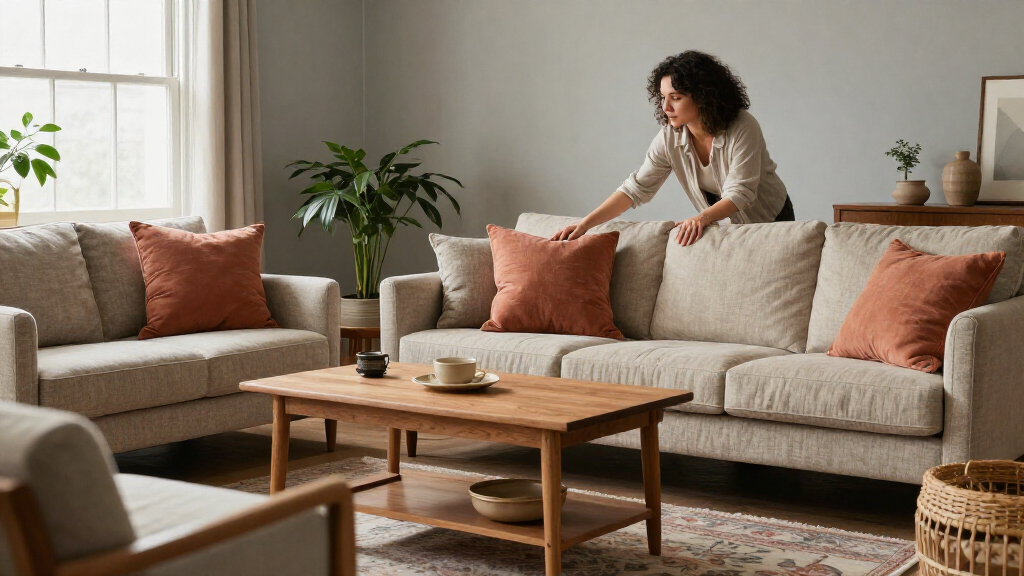
Curved sofas
A striking shape may seat guests awkwardly and make conversation harder.
Ruffles and scallops
Use these playful accents selectively, such as on a pillow or lampshade.
Imitation finishes
Reproductions may miss the natural variation and workmanship of originals.
Trend hopping
The excerpt names this trend but cuts off before the designer’s full comments.
A room should work for real life
The advice connects design choices to how a home feels and functions.
Consider layered light early in a renovation or construction project.
Choose seating that supports comfortable conversation.
Let decorative accents feel intentional instead of dominating the room.
Use the advice with perspective
- Designers’ observations about styles they saw in 2026.
- Practical ideas for comfort, function and selective detail.
- Whether consumers broadly have abandoned these styles.
- The complete nine-item list or a measured industry forecast.
Design Advice Beyond the Trend Cycle
The recommendations matter to homeowners planning purchases or renovations because they emphasize how a room functions and feels, not just whether its look is current. Lighting choices affect the atmosphere of a room; seating affects how people gather; and repeated decorative accents can compete for attention. Those are practical considerations as well as matters of style.
The advice also cautions against spending money to reproduce a high-end look with a substitute that may not deliver the qualities a homeowner values. Vollrath’s position is not that every room needs costly materials: she says a considered combination of more accessible choices can still create a sophisticated interior. Taken together, the designers’ comments favor selective investment and a more individual approach over buying every item associated with a trend.
Products Worth Considering

TCL 75-Inch Class 4-Series 4K UHD HDR Smart Google TV (75S446, 2022)

Dyson V8 Cyclone Cordless Vacuum

Philips Hue Amarant Outdoor Smart Light Bar, Black
As an affiliate, we earn on qualifying purchases.
What Designers Saw in 2026
The article is framed as an end-of-year look ahead: House Beautiful asked a handful of designers which choices they had seen in 2026 and would be happy to leave behind in 2027. It presents professional opinions and examples, rather than consumer data, sales figures or a forecast supported by market research.
Several of the styles discussed are not rejected outright. Kraus says a single traditional detail can be charming, and Vollrath describes ruffles and scallops as playful when used selectively. The distinction in their comments is between using a feature with intention and repeating it so widely that it dominates a room. The supplied material includes only part of the article, so it does not confirm all nine entries in the headline.
“Flat, overly bright lighting can make even the most beautifully designed spaces feel sterile and uninviting.”
— Kristen Mendoza, Four Brothers Design + Build
The Full Nine-Item List Is Missing
The source excerpt does not include the complete article. It names six trends or practices—one-dimensional lighting, excessive “grandma chic,” curved sofas, overused ruffles and scallops, imitation materials, and trend hopping—but cuts off during Scott’s comments. The remaining items and the full wording of his advice cannot be verified from the material provided.
There is also no information about how many designers were interviewed, how their views were gathered, or whether these styles are declining in popularity. The list should be read as designers’ preferences and observations, not evidence that consumers broadly have abandoned these choices or that every one will be out of fashion in 2027.
Homeowners Can Weigh the Advice
The article offers no announced follow-up, survey or next milestone. For now, readers can use the designers’ comments as one source of guidance when making design decisions, while considering the needs, budget and character of their own homes. The source material provided does not allow the full nine-item list to be reported; a complete version would be needed to confirm the other entries.
Key Questions
Which interior trends does the source identify?
The supplied excerpt identifies one-dimensional lighting, overdone “grandma chic,” curved sofas, excessive ruffles and scallops, imitation materials, and trend hopping. It does not include the complete list of nine.
Are these trends confirmed to be out of style in 2027?
No. They are opinions from designers interviewed by House Beautiful, based on what they say they saw in 2026. The excerpt provides no market data establishing a wider change in consumer taste.
What lighting approach does designer Kristen Mendoza recommend?
Mendoza recommends layering different light sources, such as sconces, table lamps and picture lights, rather than relying only on one overhead fixture or extensive recessed lighting. She also suggests warm, dimmable light.
Does the article say homeowners should avoid traditional details altogether?
No. Kraus and Vollrath say details such as chintz, fringe, ruffles and scallops can work when used selectively. Their concern is that too many repeated details can make a room feel overdone.
Source: housebeautiful.com