
TL;DR

Get furniture and decor delivered free with Prime
- Fast, free delivery on millions of items
- Prime Video, Amazon Music and more included
- Member-only deals all year
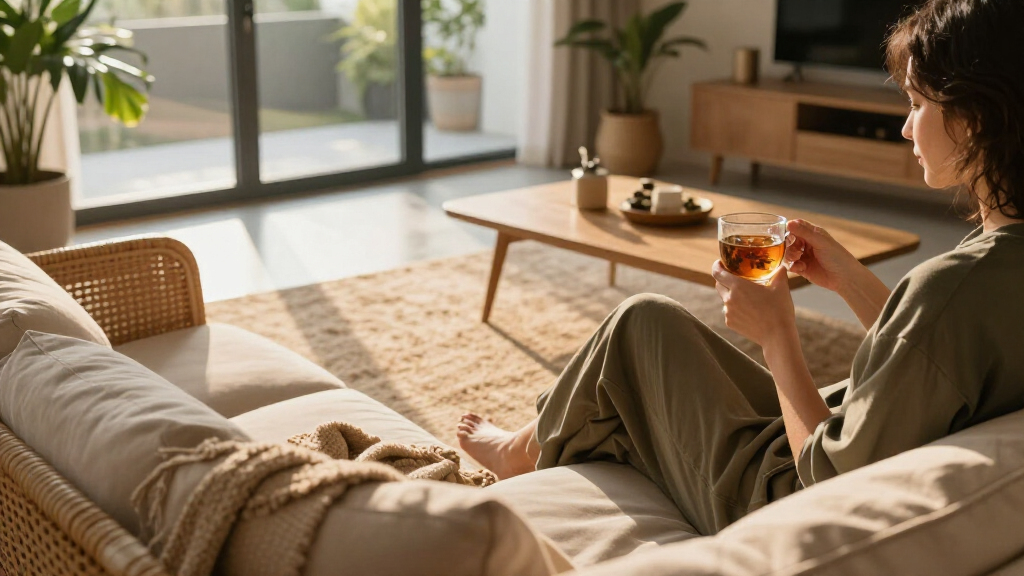
Lifestyle-driven preferences are transforming home design, with a focus on health, sustainability, and personalization. This shift reflects changing priorities among homeowners and renters.
Recent studies and industry reports confirm that lifestyle choices are increasingly shaping contemporary home design. Homeowners and renters are prioritizing health, sustainability, and flexibility, leading to significant shifts in architectural features, interior layouts, and material selections. This trend reflects broader societal changes and evolving personal values, making it a key development in the housing and design sectors.
According to industry sources, the integration of wellness-oriented features such as home gyms, dedicated meditation spaces, and improved air quality systems has become more prevalent. Many designs now incorporate natural light, biophilic elements, and sustainable materials, driven by a growing awareness of health and environmental issues. Discover The Innovative Home Design Of Gallery Y Residence By Beijing Matsubara And Architects. For example, recent home renovations often include larger windows, indoor gardens, and energy-efficient appliances, aligning with the desire for healthier living environments.
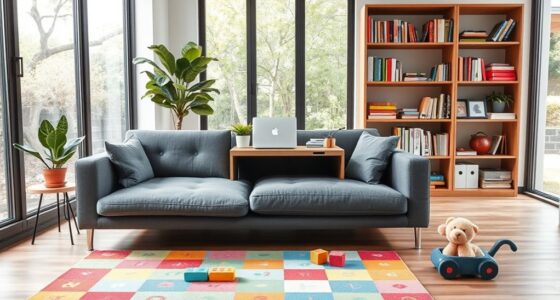
Experts note that these changes are not solely aesthetic but functional, reflecting a shift toward homes that support diverse lifestyles. Multi-purpose spaces are increasingly common, allowing residents to adapt rooms for work, exercise, or relaxation as needed. This flexibility is partly a response to the rise of remote work and the need for adaptable living environments, a trend accelerated by the COVID-19 pandemic.
Real estate developers and interior designers report a surge in demand for personalized, wellness-focused homes, with some markets experiencing a 20-30% increase in projects emphasizing these features. Transforming Sydney’s Famous $8.5M Wedding Cake Home: Renovation Begins. The trend is also evident in new construction, where sustainability certifications and health-conscious designs are becoming standard expectations rather than luxury options.
Impacts of Lifestyle-Driven Design on Housing Markets
This shift in home design reflects broader societal changes, including increased emphasis on health, environmental sustainability, and personal well-being. As more consumers seek homes that support their specific lifestyles, market offerings are adapting, potentially influencing property values and development priorities. The focus on flexible, wellness-oriented spaces could redefine what is considered desirable in both rental and purchase markets, impacting affordability and accessibility in the long term.
Furthermore, these trends may accelerate the adoption of green building practices and innovative technologies, fostering a more sustainable housing industry. The emphasis on personalization and health aligns with ongoing societal conversations about quality of life, making this a significant development for future urban planning and architectural standards.
home gym equipment for small spaces
As an affiliate, we earn on qualifying purchases.
As an affiliate, we earn on qualifying purchases.
Evolution of Home Design in Response to Lifestyle Changes
Over the past decade, home design has progressively shifted from purely aesthetic considerations to functional and health-oriented features. The COVID-19 pandemic notably accelerated this change, with many individuals re-evaluating their living spaces to accommodate remote work, home-based fitness, and mental wellness activities. Industry reports from 2022 and 2023 highlight a marked increase in demand for features like larger kitchens, dedicated workspaces, and outdoor living areas.
Historically, home design trends have been influenced by technological advances and cultural shifts; now, personal lifestyle choices are taking a more central role. This includes a move toward sustainable materials, energy efficiency, and biophilic design principles, which aim to connect residents with nature. Some regions have seen regulatory changes encouraging green building standards, further supporting this evolution.
While these trends are evident in new developments and renovations alike, it remains unclear how widely they will be adopted across different socioeconomic groups or in various geographic regions, especially considering affordability concerns.
air purifiers for healthy indoor air
As an affiliate, we earn on qualifying purchases.
As an affiliate, we earn on qualifying purchases.
Unclear Long-Term Effects of Lifestyle-Informed Design
While current data confirms a strong trend toward health and sustainability in home design, it remains unclear how these changes will evolve over the next decade. It is uncertain whether economic factors, such as rising construction costs or housing affordability issues, will limit widespread adoption. Additionally, regional differences in climate, culture, and regulation could influence the pace and nature of these trends, but detailed projections are not yet available.
sustainable and eco-friendly home materials
As an affiliate, we earn on qualifying purchases.
As an affiliate, we earn on qualifying purchases.
Future Directions in Lifestyle-Driven Home Design
Industry experts anticipate continued growth in personalized, wellness-focused features in both new builds and renovations. Technological innovations, such as smart home systems that monitor air quality or optimize energy use, are expected to become more integrated. Policy developments encouraging sustainable construction may further accelerate this shift. Researchers and developers will likely monitor consumer preferences closely to adapt offerings accordingly, with a focus on making health-conscious design accessible across diverse markets.
multi-purpose furniture for flexible living
As an affiliate, we earn on qualifying purchases.
As an affiliate, we earn on qualifying purchases.
Key Questions
How are wellness trends influencing home architecture?
Wellness trends are leading to the inclusion of features like larger windows, indoor gardens, and dedicated fitness spaces, promoting healthier living environments.
Are sustainable materials now standard in home design?
While not universal, sustainability is increasingly prioritized, with many new projects incorporating eco-friendly materials and energy-efficient systems.
Will these lifestyle-driven trends affect housing affordability?
The impact on affordability is still uncertain; higher costs associated with premium features and materials could limit access for some buyers or renters.
Are these design changes applicable worldwide?
Adoption varies by region, influenced by climate, culture, and economic factors. While prominent in some markets, others may adopt these trends more slowly.
Source: rss
Halloween Picks
halloween
As an affiliate, we earn on qualifying purchases.