
TL;DR
A homeowner replaced their lawn with a wildflower meadow and reports positive ecological and aesthetic results. The story highlights potential benefits and ongoing questions about maintenance and long-term impact.
A homeowner replaced their traditional lawn with a wildflower meadow and reports significant ecological and aesthetic benefits. This development is part of a growing trend toward sustainable landscaping, and the homeowner’s experience offers insights into the practical outcomes of such a transformation.
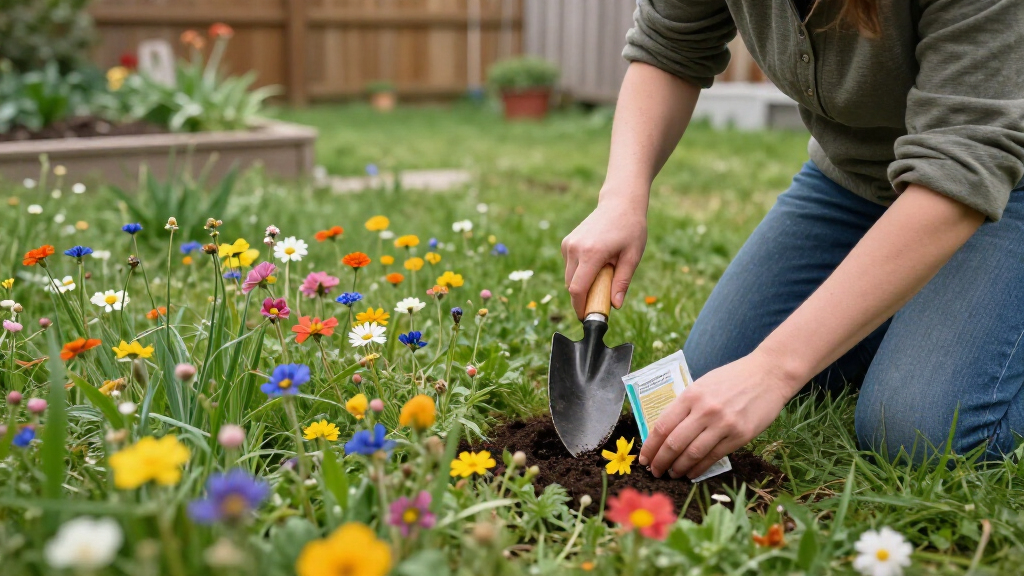
The homeowner, who requested anonymity, began the project six months ago, removing their conventional grass lawn and planting native wildflowers. They observed increased pollinator activity, reduced water usage, and lower maintenance requirements compared to their previous lawn. The meadow now covers approximately 1,000 square feet and includes species such as black-eyed Susan, coneflowers, and milkweed, chosen for their ecological benefits.
According to the homeowner, the meadow has required minimal mowing—only once every few months—and no chemical fertilizers or pesticides have been used. They report that the meadow has attracted bees, butterflies, and other beneficial insects, contributing to local biodiversity. The aesthetic appeal has also improved, with the homeowner describing the space as more vibrant and natural-looking than their previous lawn.
Environmental experts consulted for this story confirm that native wildflower meadows can support pollinators and reduce water consumption. However, they also note that success depends on local climate, plant selection, and maintenance practices. The homeowner plans to monitor the meadow’s development over the next year to assess long-term sustainability and ecological impact.
Ecological and Practical Benefits of Wildflower Lawns
This transformation demonstrates how individual landscaping choices can positively impact local ecosystems, especially by supporting pollinators and reducing water and chemical use. As more homeowners consider sustainable alternatives, this case provides real-world evidence of potential benefits and challenges, influencing broader adoption of native plant landscaping.

Wildflower Seeds Bulk Mix – 10,000+ Perennial & Annual Seeds – Texas, California & Florida Native Wildflower Seeds for Hummingbirds, Butterflies, & Cut Flowers – Cosmos, Throw and Grow
- Wildflower Mix: 25 diverse native wildflower varieties
- Large Seed Packet: Over 10,000 premium seeds
- Coverage Area: Suitable for 100 sq. ft.
As an affiliate, we earn on qualifying purchases.
As an affiliate, we earn on qualifying purchases.
Growing Interest in Sustainable Landscaping Practices
Over recent years, environmental awareness has prompted many homeowners and municipalities to explore eco-friendly landscaping options. Native wildflower meadows are increasingly promoted as a sustainable alternative to traditional lawns, which often require significant water, fertilizer, and maintenance. While some experts warn about potential challenges, such as invasive species or maintenance issues, early adopters report positive results, encouraging wider experimentation.
“Since replacing my lawn with wildflowers, I’ve seen more bees and butterflies than ever before. It’s easier to care for and looks much more natural.”
— Homeowner

Mountain Valley Seed Co Wildflower Seed 2 Oz. 80,000+ Seeds – Save the Bees
- Includes 19 Wildflower Varieties: Diverse annual and perennial seeds
- Supports Bee Conservation: Donation to Bee Conservancy with purchase
- Large Seed Quantity: Over 80,000 seeds for extensive planting
As an affiliate, we earn on qualifying purchases.
As an affiliate, we earn on qualifying purchases.
Unresolved Questions About Long-Term Outcomes
It is not yet clear how the meadow will perform over multiple seasons, particularly regarding invasive species, weed control, and plant succession. The homeowner plans to continue monitoring, but comprehensive data on ecological stability and maintenance costs remains unavailable. Additionally, the impact on property value and local ecosystem dynamics is still uncertain.

The Meadow Garden: Create a Low-Maintenance Wildflower and Native Plant Wonderland
As an affiliate, we earn on qualifying purchases.
As an affiliate, we earn on qualifying purchases.
Next Steps in Monitoring and Broader Adoption
The homeowner will observe the meadow’s development over the next year, noting plant health, biodiversity, and maintenance needs. Researchers and environmental groups are interested in documenting these results to assess scalability. Wider adoption may depend on regional climate suitability, community acceptance, and further studies on ecological impacts.

Heavy Duty Gardening Tools – Gardening Gifts for Women, Men, Mom, Dad – Durable, Ergonomic Garden Tools Set (Green)
- Ideal Gift for Gardeners: Perfect for men and women who love gardening
- Complete Gardening Set: Includes all essential garden tools
- Premium Quality Tools: Rust-proof, durable, and ergonomic design
As an affiliate, we earn on qualifying purchases.
As an affiliate, we earn on qualifying purchases.
Key Questions
How difficult is it to convert a lawn into a wildflower meadow?
Conversion involves removing existing grass, preparing the soil, and planting native wildflowers. It can be straightforward but requires planning, appropriate plant selection, and some initial effort to establish the meadow.
Will I need to do ongoing maintenance or control invasive species?
Maintenance varies by region and plant choice. Typically, minimal mowing and weed control are needed, but some invasive species may require management, especially during the first few years.
Are wildflower meadows suitable for all climates?
Most native wildflower species are adapted to local conditions, but success depends on regional climate, soil, and plant selection. Consulting local experts can improve outcomes.
Can a wildflower meadow increase property value?
While some believe it can enhance curb appeal by creating a natural, attractive landscape, scientific evidence on property value impact is limited and varies by market.
What are the environmental benefits of replacing a lawn with wildflowers?
Wildflower meadows support pollinators, reduce water and chemical use, and promote biodiversity, contributing positively to local ecosystems.
Source: rss