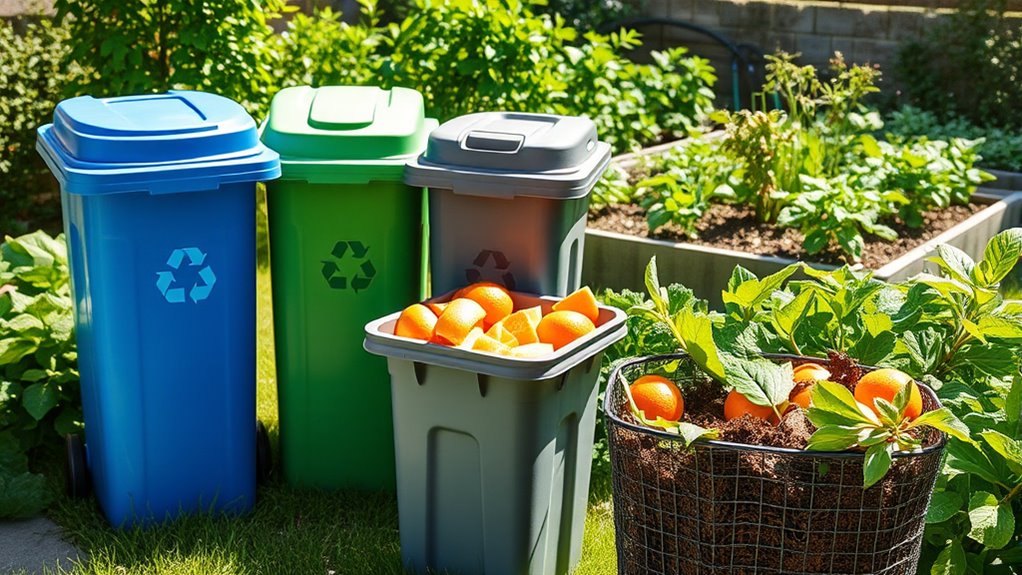
To organize recycling and compost systems at home effectively, set up clearly labeled bins near your kitchen for recyclables and organic waste. Keep recyclables clean and dry, and place compost bins in shaded, well-drained areas. Regularly turn and monitor your compost, avoiding contamination. Proper separation reduces landfill waste, conserves resources, and supports environmental health. If you want to learn more about creating an efficient green setup, continue exploring these simple steps.
Key Takeaways
- Establish clearly labeled bins for recyclables and compostables in accessible, convenient locations.
- Place outdoor compost bins in shaded, well-drained areas to promote efficient decomposition.
- Educate household members on proper waste separation and what materials are recyclable or compostable.
- Regularly turn and monitor compost to maintain proper moisture and airflow, preventing odors.
- Use finished compost in gardens to enhance soil health and support sustainable waste management practices.
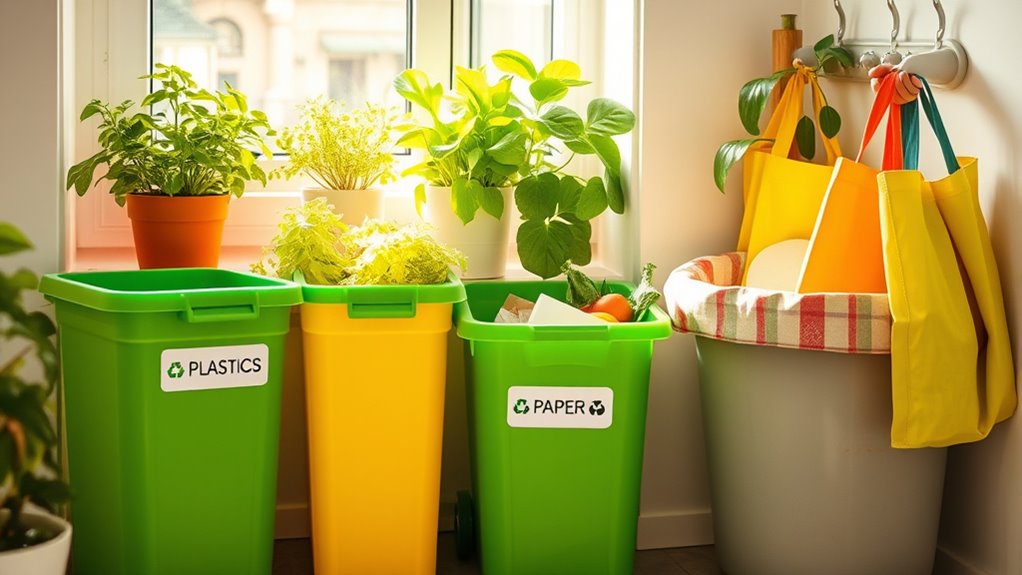
Setting up recycling and compost systems at home is a practical way to reduce waste and support environmental health. When you focus on waste separation, you actively contribute to minimizing landfill overflow and guarantee valuable materials are reused. Start by creating designated bins for different types of waste—one for recyclables like plastics, glass, and metals, and another for organic waste suitable for composting. Proper waste separation is essential because it keeps recyclable materials clean and uncontaminated, making them easier to process and repurpose. Keep these bins in convenient locations, such as near your kitchen or laundry area, so sorting becomes effortless and habitual. Label each bin clearly to avoid confusion and encourage everyone in your household to participate.
Equally important is compost bin placement. You want your compost bin to be accessible but also positioned in a way that doesn’t interfere with daily activities or create odors inside your living space. Ideally, place the compost bin outdoors in a shaded, well-drained area to prevent unpleasant smells and discourage pests. If outdoor space is limited, consider a compact, odor-control compost bin inside your garage or utility room. Ensure it’s on a stable surface to prevent leaks or spills, and keep a small scoop nearby for turning organic waste regularly. Proper placement helps maintain good airflow around the compost, which speeds up the decomposition process and keeps odors at bay. Additionally, selecting the right waste separation methods ensures your recycling and composting efforts are more effective.
To make waste separation effective, educate yourself and your household members about what can and cannot go into each bin. For example, avoid placing greasy food scraps or plastic bags in compost, as these can disrupt the process. Instead, focus on fruit and vegetable scraps, coffee grounds, eggshells, and yard waste. When it comes to recycling, rinse containers to remove residual food or liquids that could contaminate the recycling stream. Setting up a simple, organized system at home makes waste separation a natural part of your routine and assure your compost and recycling efforts are successful.
Additionally, regularly maintain your compost bin by turning the contents and monitoring moisture levels to keep the decomposition process active. This not only speeds up composting but also prevents foul odors. When your compost is ready—dark, crumbly, and earthy—it’s a nutrient-rich addition to your garden, closing the loop on waste and supporting healthy plant growth. By thoughtfully choosing waste separation strategies and carefully planning compost bin placement, you create a sustainable, environmentally friendly home that reduces waste, conserves resources, and promotes a greener lifestyle.
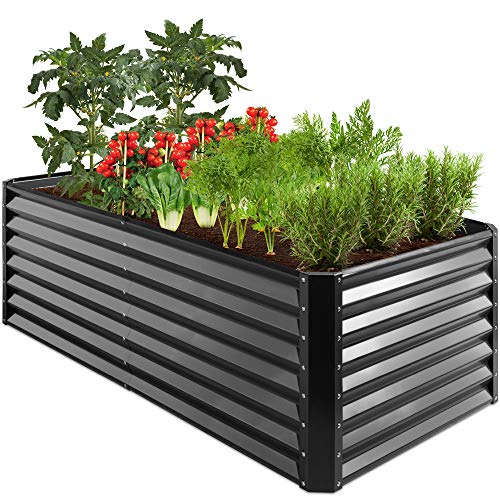
Best Choice Products 6x3x2ft Outdoor Metal Raised Garden Bed, Deep Root Box Planter for Vegetables, Flowers, Herbs, 269 Gallon Capacity, 100% Non Toxic Materials - Gray
2FT GROWING DEPTH: 24 inches of depth holds up to 269 gallons of soil-great for medium to deep...
As an affiliate, we earn on qualifying purchases.
Frequently Asked Questions
How Do I Start a Compost System in a Small Apartment?
Starting a compost system in your small apartment is simple. First, explore indoor composting options, like countertop compost bins designed for small spaces. Choose a compost bin with good odor control and easy access for adding kitchen scraps. Keep it in a well-ventilated area, and regularly turn the contents. This way, you reduce waste and create nutrient-rich compost, even in a tiny apartment.
What Recyclable Materials Are Accepted in Curbside Programs?
Did you know that over 75% of Americans have access to curbside recycling? In your program, recyclable plastics are typically accepted, but check local guidelines for specifics. Items like bottles and containers often qualify, but some plastics may not be curbside approved. Always rinse and dry recyclables before placing them in your bin to guarantee curbside acceptance and keep the system efficient.
How Can I Prevent Pests in My Compost Bin?
To prevent pests in your compost bin, you should focus on pest deterrent methods and proper compost bin maintenance. Keep the bin covered with a tight-fitting lid, and avoid adding meat or dairy, which attract pests. Turn your compost regularly to aerate it and prevent odors. Also, bury food scraps beneath browns like leaves or paper, and maintain moisture levels. These steps will help keep pests away and your compost healthy.
What Is the Recommended Composting Temperature for Optimal Decomposition?
You should aim for a compost temperature between 135°F and 160°F for ideal decomposition. This range boosts microbial activity, speeding up the breakdown of organic materials. Maintaining the right compost temperature helps composting stay efficient and reduces pest problems. To reach and sustain this temperature, turn your compost regularly and add nitrogen-rich materials, ensuring the microbes stay active and your compost decomposes quickly and effectively.
How Long Does It Take for Compost to Become Usable?
You wonder how long it takes for compost to become usable, and the answer varies. With proper compost maturity, you can expect it to be ready in about 3 to 6 months, depending on temperature, ingredients, and maintenance. During this time, compost quality improves, nutrients develop, and the material transforms into rich, dark soil. Regular turning, proper moisture, and balanced ingredients help speed this process, giving you nutrient-rich compost faster.
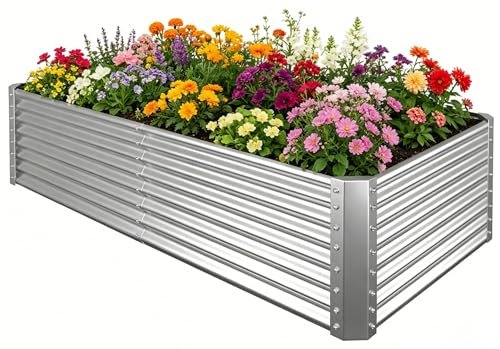
Tegarbed Tall Galvanized Raised Garden Bed Kit Outdoor Patio,6x3x2ft Large Rectangular Metal Planter Boxes,Deep Root Box Planter for Gardening, Vegetables, Flowers, Herbs, 1 Pack, Silver
Extra-Tall 24-Inch(2ft) Height:Elevated design significantly reduces bending and kneeling—ideal for seniors, adults with mobility issues, or anyone who...
As an affiliate, we earn on qualifying purchases.
Conclusion
By setting up recycling and compost systems at home, you can markedly reduce waste—did you know that Americans throw away about 25% more trash during the holiday season? Taking small steps today, like composting food scraps and recycling plastics, makes a big environmental difference. It’s easier than you think to turn your household into a green haven. Start now, and watch your impact grow—every effort counts toward a healthier planet.

Best Choice Products 34x18x30in Raised Garden Bed, Elevated Wood Planter Box Stand for Kids, Backyard, Patio, Balcony w/Bed Liner, 150lb Capacity - Natural
AMPLE PLANTING SPACE: Designed with a long bed space (2.65 CuFT) deep enough to provide your plants and...
As an affiliate, we earn on qualifying purchases.

Best Choice Products 72x24x30in Raised Garden Bed, Elevated Wood Planter Box Stand for Backyard, Patio, Balcony w/Divider Panel, 6 Legs, 300lb Capacity - Natural
LARGE PLANTING SPACE: 8.4 cubic feet of space can support your choice of flowers, succulents, vegetables, and more
As an affiliate, we earn on qualifying purchases.