For data scientists and AI practitioners, choosing the right MacBook Pro means balancing power, portability, and price. The best overall pick in 2026 is the Apple MacBook Pro with M5 Max, thanks to its top-tier GPU and ample RAM for demanding workloads. The 14-inch M5 Pro models offer a great mix of performance and portability, while the 16-inch options excel in raw power, ideal for intensive tasks. However, higher specs come with increased costs and potential overkill for casual users. Keep reading to see how each model stacks up and which is best suited for your specific data science and AI projects.

Get furniture and decor delivered free with Prime
- Fast, free delivery on millions of items
- Prime Video, Amazon Music and more included
- Member-only deals all year
Complete the kit


Key Takeaways
- The M5 Max chips dominate in GPU-intensive AI and data science workloads, making higher-end models worth the premium for heavy users.
- RAM capacity is a critical factor; 48GB or more significantly improves multitasking and large dataset handling.
- Display size impacts productivity—16-inch models provide more screen real estate, but 14-inch models are more portable.
- Choosing between the M4 and M5 chips depends on workload demands and budget; M5 chips are becoming the standard for high performance.
- Renewed or used models can save money but may lack the latest features like Wi-Fi 7 and the newest display technologies.
| Apple MacBook Pro 14-inch Laptop (Early 2026, M5 Pro, 48GB RAM, 2TB SSD, Silver) |  | Best Overall for Balance of Power and Portability | Processor: Apple M5 Pro, 15-core CPU, 16-core GPU | Memory: 48GB Unified Memory | Storage: 2TB SSD | VIEW ON AMAZON | See Our Full Breakdown |
| Apple MacBook Pro with M5 Max, 14.2-inch Display, 128GB Memory, 2TB SSD, Silver |  | Best for Demanding AI and Data Science Tasks | Processor: M5 Max, 18-core CPU, 40-core GPU | Memory: 128GB | Storage: 2TB SSD | VIEW ON AMAZON | See Our Full Breakdown |
| Apple MacBook Pro with M5 Max, 14-inch Display, 128GB Memory, 2TB SSD, Space Black |  | Best for High-Performance Demanding Work in a Sleek Design | Processor: M5 Max, 18-core CPU, 40-core GPU | Memory: 128GB | Storage: 2TB SSD | VIEW ON AMAZON | See Our Full Breakdown |
| Apple 2024 MacBook Pro with M4 Pro Chip, 14-inch, 24GB RAM, 1TB SSD, Space Black (Renewed) |  | Best for Cost-Conscious Professionals Needing Power | Processor: Apple M4 Pro | Memory: 24GB | Storage: 1TB SSD | VIEW ON AMAZON | See Our Full Breakdown |
| Apple MacBook Pro Laptop with M5 Max, 18-core CPU, 40-core GPU, 14.2-inch Liquid Retina XDR Display, 64GB RAM, 2TB SSD, Silver |  | Best for Heavy-Duty Data Science and AI Workflows | Processor: M5 Max, 18-core CPU, 40-core GPU | Memory: 64GB | Storage: 2TB SSD | VIEW ON AMAZON | See Our Full Breakdown |
| Apple 2024 MacBook Pro Laptop with M4 Chip, 14.2-inch Liquid Retina XDR Display, 24GB RAM, 1TB SSD, Space Black |  | Best Overall for High-Performance Data Science and AI on Apple Ecosystem | Processor: M4 chip with 10-core CPU and 10-core GPU | Display: 14.2-inch Liquid Retina XDR | Memory: 24GB Unified Memory | VIEW ON AMAZON | See Our Full Breakdown |
| Apple MacBook Pro 16″ M5 Pro with 18-Core CPU, 20-Core GPU, 64GB RAM, 1TB SSD |  | Best for Demanding Workloads and Professional Workflows | Processor: M5 Pro with 18-core CPU and 20-core GPU | Display: 16-inch | Memory: 64GB unified memory | VIEW ON AMAZON | See Our Full Breakdown |
| Apple 2026 MacBook Pro Laptop with M5 Pro Chip, 16.2-inch Liquid Retina XDR Display, 48GB RAM, 1TB SSD, Wi-Fi 7, Space Black |  | Best for Cutting-Edge AI and Demanding Creative Work | Processor: Apple M5 Pro chip with 18-core CPU and 20-core GPU | Display: 16.2-inch Liquid Retina XDR | Memory: 48GB Unified Memory | VIEW ON AMAZON | See Our Full Breakdown |
| Apple 2025 MacBook Pro Laptop with M5 Chip, 14.2-inch Liquid Retina XDR Display, 16GB RAM, 1TB SSD, Silver |  | Best for Daily Productivity and Moderate AI Work | Processor: Apple M5 chip with 10-core CPU and GPU | Display: 14.2-inch Liquid Retina XDR | Memory: 16GB Unified Memory | VIEW ON AMAZON | See Our Full Breakdown |
| Apple MacBook Pro with M5 Pro, 16.2-inch Display, 24GB RAM, 1TB SSD, Space Black |  | Best for High-Performance AI and Creative Work in a Portable Form | Processor: M5 Pro | Display: 16.2-inch Liquid Retina XDR | Memory: 24GB Unified Memory | VIEW ON AMAZON | See Our Full Breakdown |
| Apple 2025 MacBook Pro Laptop with M5 Chip, 14.2-inch Liquid Retina XDR Display, 16GB RAM, 512GB SSD, Space Black |  | Best Overall for Balanced Performance and Portability | Processor: Apple M5 chip with 10-core CPU and GPU | Display: 14.2-inch Liquid Retina XDR | Memory: 16GB Unified Memory | VIEW ON AMAZON | See Our Full Breakdown |
| Apple MacBook Pro Laptop with M5 Max, 18-core CPU, 40-core GPU, 16.2-inch Display, 128GB Memory, 2TB SSD, Silver | 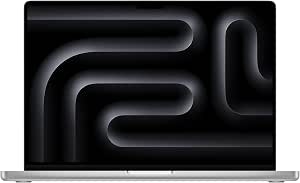 | Best for Heavy AI and Demanding Data Science Workloads | Processor: M5 Max, 18-core CPU | GPU: 40-core GPU | Display: 16.2-inch Liquid Retina XDR | VIEW ON AMAZON | See Our Full Breakdown |
| Apple MacBook Pro Laptop with M5 Max, 16.2-inch Display, 128GB Memory, 2TB SSD, Space Black |  | Best for High-End AI and Demanding Professional Use | Processor: M5 Max, 18-core CPU | GPU: 40-core GPU | Display: 16.2-inch Liquid Retina XDR | VIEW ON AMAZON | See Our Full Breakdown |
| macbook pro for data science and ai | Processor | Memory | Storage | Display |
|---|---|---|---|---|
| Apple MacBook Pro 14-inch Lapt | Apple M5 Pro, 15-core CPU, 16-core GPU | 48GB Unified Memory | 2TB SSD | 14-inch Liquid Retina XDR, 3024 x 1964 resolution |
| Apple MacBook Pro with M5 Max | M5 Max, 18-core CPU, 40-core GPU | 128GB | 2TB SSD | 14.2-inch Liquid Retina XDR |
| Apple MacBook Pro with M5 Max | M5 Max, 18-core CPU, 40-core GPU | 128GB | 2TB SSD | 14.2-inch Liquid Retina XDR |
| Apple 2024 MacBook Pro with M4 | Apple M4 Pro | 24GB | 1TB SSD | 14.2-inch Liquid Retina XDR |
| Apple MacBook Pro Laptop with | M5 Max, 18-core CPU, 40-core GPU | 64GB | 2TB SSD | 14.2-inch Liquid Retina XDR |
| Apple 2024 MacBook Pro Laptop | M4 chip with 10-core CPU and 10-core GPU | 24GB Unified Memory | 1TB SSD | 14.2-inch Liquid Retina XDR |
| Apple MacBook Pro 16" M5 Pro w | M5 Pro with 18-core CPU and 20-core GPU | 64GB unified memory | 1TB SSD | 16-inch |
| Apple 2026 MacBook Pro Laptop | Apple M5 Pro chip with 18-core CPU and 20-core GPU | 48GB Unified Memory | 1TB SSD | 16.2-inch Liquid Retina XDR |
| Apple 2025 MacBook Pro Laptop | Apple M5 chip with 10-core CPU and GPU | 16GB Unified Memory | 1TB SSD | 14.2-inch Liquid Retina XDR |
| Apple MacBook Pro with M5 Pro | M5 Pro | 24GB Unified Memory | 1TB SSD | 16.2-inch Liquid Retina XDR |
| Apple 2025 MacBook Pro Laptop | Apple M5 chip with 10-core CPU and GPU | 16GB Unified Memory | 512GB SSD | 14.2-inch Liquid Retina XDR |
| Apple MacBook Pro Laptop with | M5 Max, 18-core CPU | 128GB | 2TB SSD | 16.2-inch Liquid Retina XDR |
| Apple MacBook Pro Laptop with | M5 Max, 18-core CPU | 128GB | 2TB SSD | 16.2-inch Liquid Retina XDR |
More Details on Our Top Picks
Apple MacBook Pro 14-inch Laptop (Early 2026, M5 Pro, 48GB RAM, 2TB SSD, Silver)
This MacBook Pro with the new M5 Pro chip strikes a strong balance between processing power and portability, making it ideal for data scientists who need reliable performance on the go. Compared with the M5 Max models, it offers a more manageable size and weight, while still providing ample memory and storage for most AI workflows. Its Liquid Retina XDR display delivers vivid visuals, which can be helpful for data visualization tasks. The inclusion of modern connectivity options like Thunderbolt 5 and Wi-Fi 7 ensures future-proof connections. However, the high price might be a barrier for some, and limited battery life details are a concern for all-day use without frequent charging. This pick makes the most sense for professionals who want a capable machine that balances performance, portability, and cost.
Pros:- Powerful M5 Pro chip with high-performance CPU and GPU
- Large 48GB RAM supports multitasking and heavy workloads
- Vivid Liquid Retina XDR display enhances visualization
Cons:- Premium price may be a barrier for some users
- Limited information on battery life for all-day use
Best for: Data scientists and AI practitioners who need a portable yet powerful machine for daily workflows and presentations.
Not ideal for: Heavy-duty AI researchers running extremely large models or datasets that require the raw processing power of the M5 Max models.
- Processor:Apple M5 Pro, 15-core CPU, 16-core GPU
- Memory:48GB Unified Memory
- Storage:2TB SSD
- Display:14-inch Liquid Retina XDR, 3024 x 1964 resolution
- Ports:Thunderbolt 5, HDMI, SDXC, MagSafe 3
- Connectivity:Wi-Fi 7, Bluetooth 6
Our verdict“This model suits data professionals who value a solid mix of performance and portability without the premium cost of higher-end models.”
Apple MacBook Pro with M5 Max, 14.2-inch Display, 128GB Memory, 2TB SSD, Silver
This MacBook Pro equipped with the M5 Max chip offers exceptional raw power, surpassing the M5 Pro models like the 14-inch early 2026 variant. Its 18-core CPU and 40-core GPU make it a top choice for running large models, complex simulations, or extensive data processing. The 128GB of RAM ensures smooth multitasking and handling of large datasets, while the high-end display supports detailed visualizations. Its extensive port selection and support for multiple external displays add to its versatility in professional environments. The main tradeoff is its weight and cost; it’s a substantial investment and less portable than lighter options. This makes it ideal for AI professionals who prioritize sheer computing muscle over portability.
Pros:- Monster CPU and GPU performance for demanding AI tasks
- High 128GB RAM allows large dataset processing
- Supports up to 4 external displays for complex workflows
- Exceptional display quality enhances visualization
Cons:- Heavy and less portable, less convenient for travel
- High price point limits accessibility
Best for: AI researchers and data scientists working on large-scale models or complex workloads that demand maximum processing power.
Not ideal for: Professionals needing a lightweight, easily portable machine for frequent travel or commuting.
- Processor:M5 Max, 18-core CPU, 40-core GPU
- Memory:128GB
- Storage:2TB SSD
- Display:14.2-inch Liquid Retina XDR
- Ports:Three Thunderbolt 5, MagSafe 3, SDXC, HDMI
- Wireless:Wi-Fi 7, Bluetooth 6
Our verdict“This model is best suited for AI specialists requiring maximum performance at the expense of portability and cost.”
Apple MacBook Pro with M5 Max, 14-inch Display, 128GB Memory, 2TB SSD, Space Black
Offering the same high-end M5 Max chip as its silver counterpart, this Space Black model combines power with style. Its 18-core CPU and 40-core GPU deliver top-tier performance for AI development and data processing, matching the capabilities of the silver version but in a more streamlined aesthetic. The high-quality Liquid Retina XDR display and extensive port options make it a versatile tool for professionals who need both performance and a professional look. The main drawbacks include its weight and high cost, which might deter users needing portability or a more budget-conscious solution. It’s a strong choice for those who want the ultimate power in a sleek, professional package.
Pros:- Exceptional CPU and GPU for demanding AI workloads
- High-quality Liquid Retina XDR display
- Premium build and sleek design
- Multiple ports for versatile connectivity
Cons:- Heavy and less portable
- High cost may be prohibitive
Best for: AI engineers and data scientists who prefer a premium design without sacrificing top-tier computational power.
Not ideal for: Travelers or users seeking a lightweight device, as its weight and size limit portability.
- Processor:M5 Max, 18-core CPU, 40-core GPU
- Memory:128GB
- Storage:2TB SSD
- Display:14.2-inch Liquid Retina XDR
- Ports:Three Thunderbolt 5, MagSafe 3, SDXC, HDMI
- Wireless:Wi-Fi 7, Bluetooth 6
Our verdict“This is a prime choice for professionals who want maximum power with a premium look and feel, regardless of portability concerns.”
Apple 2024 MacBook Pro with M4 Pro Chip, 14-inch, 24GB RAM, 1TB SSD, Space Black (Renewed)
This renewed MacBook Pro with the M4 Pro chip offers strong performance at a lower cost compared to the M5 models, making it appealing for those starting in AI or data science who need capable hardware without the latest flagship specs. It features a 14-inch Liquid Retina XDR display and 24GB of RAM, which can handle most machine learning workflows reasonably well. While it lacks some of the raw power of the M5 Max models, it still supports demanding tasks and integrates smoothly within the Apple ecosystem. Its main limitations are the slightly older processor and the weight, which makes portability less ideal for frequent travelers. This makes it suitable for professionals who prioritize value but still want solid performance.
Pros:- Capable M4 Pro chip handles demanding workflows
- Affordable compared to newer models
- Good display quality with XDR support
- Seamless Apple ecosystem integration
Cons:- Older processor compared to M5 Max models
- Heavier and less portable than newer options
Best for: Entry-level data scientists or developers on a budget needing reliable performance for moderate AI tasks.
Not ideal for: Power users or those working on very large models that demand the latest high-end processing power.
- Processor:Apple M4 Pro
- Memory:24GB
- Storage:1TB SSD
- Display:14.2-inch Liquid Retina XDR
- Ports:Three Thunderbolt 5, MagSafe 3, SDXC, HDMI
- Wireless:Wi-Fi 7, Bluetooth 6
Our verdict“This offers solid performance for budget-conscious professionals who don’t require the bleeding-edge hardware.”
Apple MacBook Pro Laptop with M5 Max, 18-core CPU, 40-core GPU, 14.2-inch Liquid Retina XDR Display, 64GB RAM, 2TB SSD, Silver
This MacBook Pro with M5 Max and 64GB RAM ranks as the most powerful option in this lineup, designed for extreme workloads like training large neural networks or processing massive datasets. Its 18-core CPU and 40-core GPU outpace the other models, making it ideal for AI researchers who need maximum computational muscle. The 14.2-inch Liquid Retina XDR display supports detailed visualizations, and the 2TB SSD offers ample storage for large datasets. Its extensive port selection and seamless Apple ecosystem integration enhance its professional appeal. The main drawbacks are its weight and cost—less suitable for those who prioritize portability or are on a tight budget. This machine is best suited for professionals with demanding AI workflows who need every ounce of power.
Pros:- Maximum CPU and GPU performance for demanding tasks
- Large 64GB RAM supports extensive data processing
- High-quality display for detailed visualizations
- Ample storage capacity
Cons:- Heavy and less portable
- Very high price limits accessibility
Best for: AI researchers and data scientists working on intensive training or large-scale data processing requiring top-tier hardware.
Not ideal for: Travelers or users who require a lightweight, budget-friendly device for occasional use.
- Processor:M5 Max, 18-core CPU, 40-core GPU
- Memory:64GB
- Storage:2TB SSD
- Display:14.2-inch Liquid Retina XDR
- Ports:Three Thunderbolt 5, MagSafe 3, SDXC, HDMI
- Wireless:Wi-Fi 7, Bluetooth 6
Our verdict“This is the best choice for professionals who need the absolute highest performance regardless of portability or cost.”
Apple 2024 MacBook Pro Laptop with M4 Chip, 14.2-inch Liquid Retina XDR Display, 24GB RAM, 1TB SSD, Space Black
The 2024 MacBook Pro with M4 chip stands out for its balance of power, display quality, and seamless Apple integration, making it the top choice for data scientists who prioritize a native macOS experience. Compared with the 2025 MacBook Pro with M5 Chip, the M4 still offers impressive performance, but the M5 provides a slight edge in raw processing power and future-proofing. The Liquid Retina XDR display enhances visualization of complex data and models, while 24GB of unified memory supports multitasking and large datasets. However, this model carries a premium price and is largely confined to the Apple ecosystem, which could limit flexibility. It suits those who need robust performance with excellent display quality and prefer a native macOS environment, but may not be ideal for users seeking a more portable or budget-friendly option.
Pros:- Powerful M4 chip with 10-core CPU and GPU
- Bright, detailed Liquid Retina XDR display
- Seamless integration with other Apple devices
- Multiple connectivity options including Thunderbolt 4, HDMI, SDXC
Cons:- Premium price may be prohibitive for some users
- Limited to Apple ecosystem, reducing flexibility
Best for: Mac users who need a high-performance, well-rounded machine for data science and AI tasks within the Apple ecosystem
Not ideal for: Developers or data scientists who require extensive upgradeability or use non-Apple hardware for flexibility
- Processor:M4 chip with 10-core CPU and 10-core GPU
- Display:14.2-inch Liquid Retina XDR
- Memory:24GB Unified Memory
- Storage:1TB SSD
- Battery Life:All-day
- Ports:Three Thunderbolt 4, MagSafe 3, SDXC, HDMI, headphone jack
Our verdict“This is the best choice for Apple-centric professionals needing a balanced high-performance machine for data science and AI.”
Apple MacBook Pro 16″ M5 Pro with 18-Core CPU, 20-Core GPU, 64GB RAM, 1TB SSD
The 16-inch MacBook Pro with M5 Pro offers exceptional power with its 18-core CPU and 20-core GPU, making it a prime candidate for heavy AI training, data modeling, and multitasking. Its large 16-inch display provides ample space for coding, visualization, and multiple windows, which smaller models like the 2025 MacBook Pro with M5 Chip can’t match. The 64GB of unified memory ensures smooth handling of large datasets and concurrent processes. However, this machine’s weight and size reduce portability, and its high cost may be a barrier for some users. This pick makes the most sense for professionals who prioritize raw power and screen real estate over portability, but those needing a lightweight or more affordable option should look elsewhere.
Pros:- Extremely high-performance CPU and GPU
- Large 16-inch Retina display for detailed work
- Plenty of memory and fast SSD for large datasets
- Sleek, professional Space Black finish
Cons:- Heavy and less portable due to size
- Premium price, potentially limiting for some budgets
Best for: Data scientists and AI researchers requiring maximum processing power and extensive multitasking capabilities
Not ideal for: Travelers or those needing a lightweight, easily portable device for occasional use
- Processor:M5 Pro with 18-core CPU and 20-core GPU
- Display:16-inch
- Memory:64GB unified memory
- Storage:1TB SSD
- Finish:Space Black
Our verdict“This is the ideal choice for professionals who need maximum power and a spacious display for complex data science and AI tasks.”
Apple 2026 MacBook Pro Laptop with M5 Pro Chip, 16.2-inch Liquid Retina XDR Display, 48GB RAM, 1TB SSD, Wi-Fi 7, Space Black
The 2026 MacBook Pro with M5 Pro pushes the envelope with its 16.2-inch Liquid Retina XDR display, 48GB of unified memory, and Wi-Fi 7 connectivity, making it a standout for AI workloads, complex data analysis, and creative tasks. Its advanced M5 Pro chip with 18-core CPU and 20-core GPU offers notable improvements over earlier models like the 2025 M5 Chip, especially in AI acceleration and multi-display support. The large memory pool supports heavy multitasking, and the expanded port options, including Thunderbolt 5 and HDMI, facilitate connectivity with multiple peripherals. However, this model’s weight and high price might be limiting factors, and battery life details are less clear. It’s best suited for professionals who need top-tier computational power with future-ready connectivity, yet less ideal for those prioritizing portability or lower-cost solutions.
Pros:- Powerful M5 Pro chip with advanced AI capabilities
- Large 16.2-inch Liquid Retina XDR display
- Massive 48GB unified memory for heavy multitasking
- Multiple high-speed ports including Thunderbolt 5 and HDMI
Cons:- Heavy and bulky for portable use
- High price point may limit accessibility
Best for: Advanced AI developers and creative professionals demanding top-tier computational resources
Not ideal for: Users seeking a lightweight, budget-conscious device for casual or occasional use
- Processor:Apple M5 Pro chip with 18-core CPU and 20-core GPU
- Display:16.2-inch Liquid Retina XDR
- Memory:48GB Unified Memory
- Storage:1TB SSD
- Connectivity:Wi-Fi 7, Bluetooth 6, Thunderbolt 5, HDMI
Our verdict“This model is designed for power users who need cutting-edge AI performance and extensive connectivity, at the expense of portability and cost.”
Apple 2025 MacBook Pro Laptop with M5 Chip, 14.2-inch Liquid Retina XDR Display, 16GB RAM, 1TB SSD, Silver
The 2025 MacBook Pro with M5 Chip offers a balanced package of performance, display quality, and portability, making it suitable for data scientists and AI practitioners who work on the go. Its 10-core CPU and GPU provide enough punch for typical data analysis, while the 16GB of RAM supports multitasking without significant lag. The 14.2-inch Liquid Retina XDR display ensures clear visualization of complex datasets. Compared to larger models like the 2026 M5 Pro, it sacrifices some processing power and expandability but gains in lighter weight and affordability. The limited port selection may be restrictive for users with extensive peripheral needs. This device suits those who prioritize mobility and a solid performance without the need for the absolute highest specs.
Pros:- Powerful M5 chip with 10-core CPU and GPU
- Stunning Liquid Retina XDR display
- Good battery life for all-day use
- Seamless Apple ecosystem integration
Cons:- Limited port options for complex workflows
- Less powerful than larger, more expensive models
Best for: Data analysts and AI developers who require a portable, reliable machine for daily tasks
Not ideal for: Heavy data processing or AI training that demands maximum computational power and expandability
- Processor:Apple M5 chip with 10-core CPU and GPU
- Display:14.2-inch Liquid Retina XDR
- Memory:16GB Unified Memory
- Storage:1TB SSD
- Battery Life:All-day
- Ports:Three Thunderbolt 4, MagSafe 3, SDXC, HDMI
Our verdict“This MacBook Pro strikes a balance for professionals needing portability without sacrificing too much performance for daily data science and AI tasks.”
Apple MacBook Pro with M5 Pro, 16.2-inch Display, 24GB RAM, 1TB SSD, Space Black
The MacBook Pro with M5 Pro and 16.2-inch display combines substantial processing power with a portable design, making it a compelling choice for AI research, data modeling, and creative workflows. Its 24GB of unified memory supports demanding multitasking and large datasets, while the M5 Pro chip delivers noticeable improvements over the M4 for AI acceleration. The large, vibrant display enhances visualization and coding. Its sleek Space Black finish adds a professional touch. However, the model’s high price and somewhat limited ports may be drawbacks for budget-conscious or peripheral-heavy workflows. This machine excels for users who need a blend of power and portability for intensive AI and data science tasks, but it might be less suitable for those requiring maximum expandability or ultra-lightweight devices.
Pros:- Powerful M5 Pro chip with advanced GPU and Neural Accelerator
- Large, vibrant 16.2-inch Liquid Retina XDR display
- 24GB unified memory for multitasking and large datasets
- Elegant Space Black finish
Cons:- High price point
- Limited ports may require adapters
Best for: AI researchers and data scientists needing high performance in a portable yet powerful machine
Not ideal for: Users who require extensive port options or maximum portability with ultra-lightweight design
- Processor:M5 Pro
- Display:16.2-inch Liquid Retina XDR
- Memory:24GB Unified Memory
- Storage:1TB SSD
- Color:Space Black
- Ports:Three Thunderbolt 5, MagSafe 3, SDXC, HDMI
Our verdict“This model offers a potent mix of performance and portability tailored to AI professionals who value mobility and a high-quality display.”
Apple 2025 MacBook Pro Laptop with M5 Chip, 14.2-inch Liquid Retina XDR Display, 16GB RAM, 512GB SSD, Space Black
This MacBook Pro stands out for its powerful M5 chip with a 10-core CPU and GPU, offering a smooth experience for data science workflows without the high cost of the M5 Max models. Its 14.2-inch Liquid Retina XDR display provides excellent clarity for visualizations, though it doesn’t match the size of the larger M5 Max options for intensive multitasking. Compared to the M5 Max models, it’s lighter and more portable, making it ideal for those who need a capable machine on the go. The 16GB RAM supports most data science tasks, but heavy AI workloads might find it limiting. The all-day battery life ensures extended work sessions, and the seamless Apple ecosystem integration simplifies workflows, especially with other devices. The main tradeoff involves its limited external display support, which can hinder multi-monitor setups for complex projects.
Pros:- Balanced performance with a 10-core CPU and GPU
- Compact and lightweight for portability
- Vivid Liquid Retina XDR display enhances visualizations
- Excellent battery life for all-day use
Cons:- Limited to two external displays, restricting multi-monitor setups
- Premium price may be a stretch for some
Best for: Data scientists and AI practitioners who need a portable yet powerful machine for everyday workloads.
Not ideal for: Power users running multi-GPU training or demanding AI models needing extensive external display support.
- Processor:Apple M5 chip with 10-core CPU and GPU
- Display:14.2-inch Liquid Retina XDR
- Memory:16GB Unified Memory
- Storage:512GB SSD
- Battery Life:All-day
- Ports:Three Thunderbolt 4, MagSafe 3, SDXC, HDMI, headphone jack
Our verdict“This model suits professionals seeking a portable, high-performance MacBook Pro for data science and AI tasks without the need for the highest-end specs.”
Apple MacBook Pro Laptop with M5 Max, 18-core CPU, 40-core GPU, 16.2-inch Display, 128GB Memory, 2TB SSD, Silver
This MacBook Pro is tailored for users who need maximum computational power, featuring an M5 Max chip with 18-core CPU and 40-core GPU. Its 16.2-inch Liquid Retina XDR display offers exceptional brightness and contrast, ideal for analyzing large datasets and visualizations. Compared to the 14.2-inch models, the larger screen and higher core count make it the clear choice for intensive tasks, though it comes at a significantly higher price and weight. The 128GB RAM ensures smooth handling of complex AI models, but the high cost and weight may deter those who prioritize portability. Its extensive port selection, including Thunderbolt 5, makes it versatile for connecting multiple peripherals. The model’s high price and size are tradeoffs for its raw power, making it less suited for frequent travelers or those with limited workspace.
Pros:- Exceptional CPU and GPU performance with 18-core and 40-core architecture
- Large, high-contrast display for detailed visualizations
- Ample 128GB memory supports heavy AI workloads
- Versatile connectivity with Thunderbolt 5 and HDMI
Cons:- High price makes it inaccessible for many
- Heavy and less portable for frequent travel
- Limited to specific configurations with high cost
Best for: AI researchers and data scientists running large models and demanding workloads that benefit from maximum processing cores.
Not ideal for: Casual users or those with limited budgets who do not require extreme computational capacity.
- Processor:M5 Max, 18-core CPU
- GPU:40-core GPU
- Display:16.2-inch Liquid Retina XDR
- Memory:128GB
- Storage:2TB SSD
- Ports:Three Thunderbolt 5, MagSafe 3, SDXC, HDMI, headphone jack
Our verdict“This model is ideal for AI professionals and heavy data science workloads where raw power outweighs portability concerns.”
Apple MacBook Pro Laptop with M5 Max, 16.2-inch Display, 128GB Memory, 2TB SSD, Space Black
This 16.2-inch MacBook Pro with the M5 Max chip combines powerful processing with a larger display, making it well-suited for intensive AI workloads and professional data science. Its 16.2-inch Liquid Retina XDR display delivers superior visual fidelity, essential for analyzing complex data visualizations and models. The 128GB RAM supports heavy multitasking, while the 2TB SSD ensures ample storage for large datasets. Compared to lighter models, this version offers the most extensive connectivity options, including Thunderbolt 5 and HDMI. The main tradeoffs involve its weight and high price point, which may limit portability for mobile professionals. This model best fits those who prioritize raw power and display quality over portability.
Pros:- Top-tier CPU and GPU performance with 18-core and 40-core architecture
- Exceptional display quality for data visualization
- Large 128GB RAM supports demanding workloads
- Excellent connectivity options including Thunderbolt 5
Cons:- High cost limits accessibility for many users
- Heavy and less portable due to size and weight
- Premium price for configurations that may exceed typical needs
Best for: AI specialists and data scientists who require maximum processing power, large memory, and a premium display for demanding projects.
Not ideal for: Travelers or users with limited budgets who need a lightweight, portable machine.
- Processor:M5 Max, 18-core CPU
- GPU:40-core GPU
- Display:16.2-inch Liquid Retina XDR
- Memory:128GB
- Storage:2TB SSD
- Ports:Three Thunderbolt 5, MagSafe 3, SDXC, HDMI, headphone jack
Our verdict“This model is perfect for professionals who need maximum computational power and display performance for AI and data science tasks.”

How We Picked
These products were evaluated based on performance benchmarks relevant to data science and AI, including GPU power, CPU speed, and RAM capacity. Build quality, display quality, and thermal management were also considered because sustained workloads require good cooling and high-resolution screens. Value was assessed by balancing specs against price, ensuring you get the most performance for your investment. The ranking prioritizes models that excel in computational power and memory, essential for machine learning, data analysis, and AI model training. Lastly, future-proofing features like Wi-Fi 7 and the latest display tech influenced the placement of the top picks.| macbook pro for data science and ai | Ports |
|---|---|
| Apple MacBook Pro 14-inch Lapt | Thunderbolt 5, HDMI, SDXC, MagSafe 3 |
| Apple MacBook Pro with M5 Max | Three Thunderbolt 5, MagSafe 3, SDXC, HDMI |
| Apple MacBook Pro with M5 Max | Three Thunderbolt 5, MagSafe 3, SDXC, HDMI |
| Apple 2024 MacBook Pro with M4 | Three Thunderbolt 5, MagSafe 3, SDXC, HDMI |
| Apple MacBook Pro Laptop with | Three Thunderbolt 5, MagSafe 3, SDXC, HDMI |
| Apple 2024 MacBook Pro Laptop | Three Thunderbolt 4, MagSafe 3, SDXC, HDMI, headphone jack |
| Apple MacBook Pro 16" M5 Pro w | — |
| Apple 2026 MacBook Pro Laptop | — |
| Apple 2025 MacBook Pro Laptop | Three Thunderbolt 4, MagSafe 3, SDXC, HDMI |
| Apple MacBook Pro with M5 Pro | Three Thunderbolt 5, MagSafe 3, SDXC, HDMI |
| Apple 2025 MacBook Pro Laptop | Three Thunderbolt 4, MagSafe 3, SDXC, HDMI, headphone jack |
| Apple MacBook Pro Laptop with | Three Thunderbolt 5, MagSafe 3, SDXC, HDMI, headphone jack |
| Apple MacBook Pro Laptop with | Three Thunderbolt 5, MagSafe 3, SDXC, HDMI, headphone jack |
Factors to Consider When Choosing Macbook Pro For Data Science And Ai
When selecting a MacBook Pro for data science and AI, it’s important to consider several key factors to ensure the device meets your workload and budget. Performance, especially GPU and CPU power, directly impacts your ability to handle complex models. Storage capacity is vital for large datasets, while RAM determines how smoothly you can multitask and process data. Display size and quality affect your productivity and comfort during long coding or analysis sessions. Finally, consider future-proofing features and build quality to maximize your investment over time.Performance: CPU, GPU, and RAM
The core of any data science and AI setup is performance. For intensive tasks like training neural networks or handling large datasets, a powerful CPU and GPU are essential. The M5 Max chips offer significant GPU cores, which accelerate AI workloads, making them suitable for heavy-duty tasks. RAM is equally critical; 48GB or more helps manage large datasets without bottlenecks. Cheaper or older models with M4 chips or less RAM may struggle with demanding projects, leading to longer processing times and frustration.
Display Size and Quality
A larger, high-resolution display enhances productivity by providing more workspace and reducing eye strain. The 16-inch models offer expansive screens ideal for multitasking and viewing multiple datasets side by side. Conversely, 14-inch models are more portable, making them better for on-the-go use. Display quality, including brightness and color accuracy, matters when working with data visualization and detailed coding interfaces. Investing in a model with a Liquid Retina XDR display ensures crisp visuals and better color fidelity.
Storage and Memory
Handling large datasets and AI models requires ample storage and memory. SSD capacity of 1TB or more is recommended to store datasets locally, especially if cloud storage isn’t always accessible. RAM impacts multitasking and large data processing; 32GB is a good minimum, but 48GB or higher is ideal for intensive workloads. Some users might opt for external drives or cloud solutions, but built-in storage and RAM directly affect speed and workflow efficiency.
Portability vs. Power
Deciding between portability and raw power depends on your work style. The 14-inch models strike a balance for mobile users who need performance without sacrificing too much weight. The 16-inch models boost power and screen size but add bulk, better suited to stationary use or those who prioritize performance over portability. Consider your typical working environment—if you move frequently or travel often, smaller models may be more practical.
Future-Proofing and Connectivity
Features like Wi-Fi 7 and the latest Thunderbolt ports add longevity and flexibility. Future-proofing means opting for models that support upcoming standards, ensuring compatibility with new accessories and faster data transfer. Build quality and thermal management also matter because sustained workloads generate heat; models with good cooling systems maintain performance longer. Keep an eye on software updates and macOS support to extend the lifespan of your device.
Frequently Asked Questions
Is it worth investing in the M5 Max chip for data science and AI?
Absolutely. The M5 Max chip offers significantly more GPU cores and higher CPU performance, which directly benefits AI training and large-scale data analysis. While it comes at a higher price, the performance gains can reduce training time and improve overall workflow efficiency. For anyone working with complex models or extensive datasets, this chip provides the computing muscle necessary to handle demanding tasks smoothly and with less frustration.
How much RAM do I need for heavy AI workloads?
For intensive AI projects, 48GB of RAM is a solid baseline, enabling you to process large datasets and run multiple processes simultaneously. If your budget allows, opting for 64GB or more future-proofs your setup, especially for training deep neural networks or running large models locally. Insufficient RAM can lead to slowdowns and increased reliance on disk swapping, which drastically hampers performance during critical tasks.
Should I choose a 14-inch or 16-inch MacBook Pro for data science?
The decision hinges on portability versus raw power. The 14-inch offers a lighter form factor with enough performance for most data science tasks, making it ideal for frequent travelers or those with limited workspace. The 16-inch models provide a larger display and higher thermal capacity, supporting sustained heavy workloads without throttling. If your work involves prolonged, intensive processing, a 16-inch may be the better choice despite its size.
Are renewed or refurbished MacBooks reliable for AI work?
Renewed or refurbished MacBook Pros can offer significant savings, but their reliability depends on the seller and warranty. Choose certified refurbishments from reputable sources to ensure quality and access to warranty service. While they may lack the very latest features like Wi-Fi 7 or the newest display tech, many refurbished models still pack powerful processors and ample RAM suitable for AI and data science. Be prepared to verify the condition and ask about return policies before purchasing.
What should I prioritize: GPU power or portability?
If your AI and data science work involve training models or GPU-accelerated computations, prioritizing GPU power makes sense. For users who need to carry their device frequently or work in various locations, portability might take precedence, even if it means sacrificing some raw power. Ideally, find a balance—models with high-end GPUs in a portable form factor are increasingly available, but the tradeoff in cost and size should be carefully considered based on your specific workflow.
Conclusion
For those seeking the best overall performance, the MacBook Pro with M5 Max stands out, especially for heavy AI workloads and large data processing. Budget-conscious users or those just starting out should consider the 14-inch M5 Pro models, which offer solid power without the premium price. Professionals who prioritize screen real estate and sustained power might lean toward the 16-inch options. Beginners or casual users can start with models featuring the M4 chips, but investing in higher specs pays off for long-term projects, ensuring smooth operation even as data and model sizes grow.
As an affiliate, we earn on qualifying purchases.Fall Picks
fall essentials