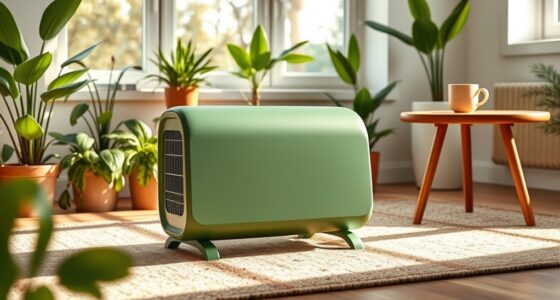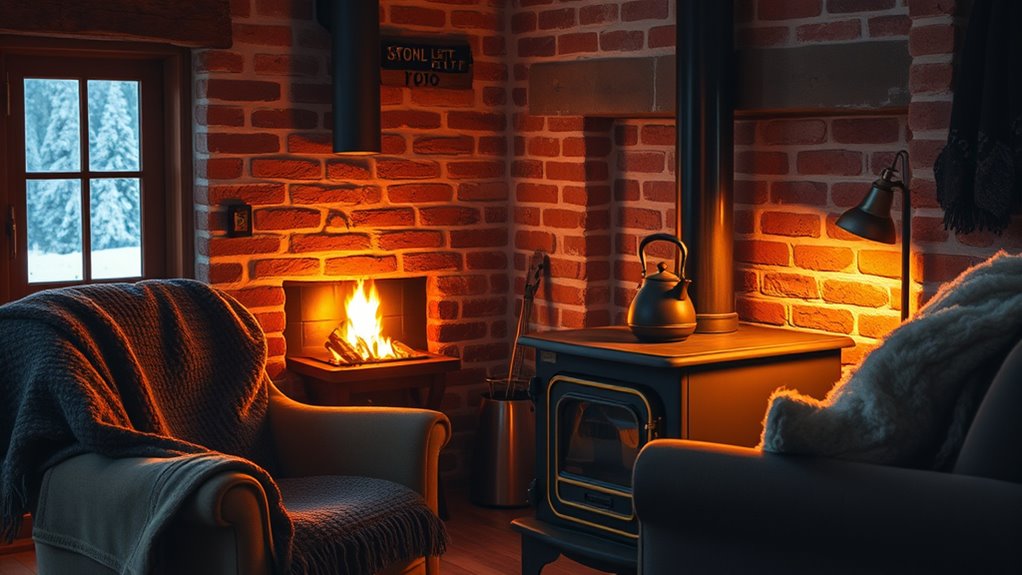

When the power goes out, I turn to emergency heating options like kerosene heaters, portable gas stoves, and self-powered devices that don’t need electricity. I also use compact electric heaters and portable power stations to keep essentials warm and powered. Fuel-based heaters with safety features, waterproof survival blankets, and outdoor kerosene stoves are reliable choices. If you’d like to discover the best options to stay warm, there’s more to explore below.
Key Takeaways
- Fuel-based heaters like kerosene and propane units operate independently of electricity, providing reliable warmth during power outages.
- Compact electric heaters and portable power stations offer quick, energy-efficient heating when power is available but need recharging or backup power sources.
- Portable gas and kerosene heaters are easy to operate, safe with proper ventilation, and suitable for heating small to medium spaces without electricity.
- Safety features such as auto shut-off, tip-over switches, and low oxygen shut-off are essential for fuel-based heaters to prevent accidents.
- Combining multiple options, including blankets and portable heaters, ensures comprehensive warmth and safety during extended power outages.
VESTA Self-Powered Camping Heater & Stove

If you’re looking for a reliable emergency heating solution that doesn’t rely on electricity, the VESTA Self-Powered Camping Heater & Stove is an excellent choice. It combines space heating and cooking in one compact, portable unit weighing just under eight pounds. Capable of warming up to 200 square feet, it’s perfect for indoor or outdoor use during emergencies, camping, or power outages. It runs on canned heat, emitting minimal fumes and smoke, ensuring safe indoor operation with proper ventilation. No assembly or batteries are needed—just a few cans of InstaFire fuel. It’s a versatile, discreet device that keeps you warm and fed when you need it most.
Best For: outdoor enthusiasts, campers, and emergency preparedness individuals seeking a reliable, portable heating and cooking solution that operates independently of electricity.
Pros:
- Combines space heating and cooking functions in one compact, lightweight unit
- Operates safely indoors with minimal fumes or smoke when used with proper ventilation
- Does not require electricity, batteries, or assembly, making it highly portable and easy to use
Cons:
- Limited to approximately 200 square feet, not suitable for larger spaces
- Requires canned heat fuel, which must be purchased separately and has storage considerations
- Proper ventilation is necessary for indoor use to ensure safety
Sengoku Indoor & Outdoor Kerosene Heater, 23,500 BTU

The Sengoku Indoor & Outdoor Kerosene Heater stands out as an excellent choice for those needing reliable, power-independent heating during emergencies. With a 23,500 BTU output, it can heat up to 1,000 sq ft, making it perfect for homes, garages, or outdoor spaces. Its 1.9-gallon fuel tank provides up to 12 hours of continuous warmth. The heater is portable, safe, and simple to operate—featuring an automatic shut-off, push-button start, and safety grills. No electricity is needed, and it includes a siphon pump for easy fuel transfer. This versatile heater keeps you warm when power’s out, without sacrificing safety or convenience.
Best For: homeowners, campers, or outdoor enthusiasts seeking reliable, portable heating solutions during power outages or outdoor activities without needing electricity.
Pros:
- Provides powerful 23,500 BTU heat output suitable for large spaces up to 1,000 sq ft
- Operates independently of electricity, ideal for emergencies or outdoor use
- Equipped with safety features like automatic shut-off, tip-over switch, and safety grills for secure operation
Cons:
- Heavier than some portable heaters at 21.8 pounds, which may affect portability for some users
- Requires kerosene fuel, which may be less convenient than electric options for some households
- No built-in thermostat, so temperature control may be less precise
Ontel Handy Heater Turbo Wall Outlet Space Heater

When power outages strike, having a compact heater that can plug directly into a wall outlet becomes invaluable for maintaining warmth in small spaces. The Ontel Handy Heater Turbo Wall Outlet Space Heater is perfect for this. It’s small, measuring just 4.51 by 4.93 inches, and weighs only 2.7 pounds, fitting easily in bedrooms, offices, or garages. It delivers up to 800W of heat, warming the air by up to 20°F, while maintaining moisture. With three adjustable heat settings, a programmable thermostat, and safety features like auto shut-off, it’s a reliable, energy-efficient option to keep you warm when the power’s out.
Best For: those needing a compact, wall outlet space heater for small rooms, garages, or during power outages to provide quick and efficient warmth.
Pros:
- Space-saving design eliminates wire clutter and fits easily into small areas
- Adjustable heat settings and programmable thermostat for personalized comfort
- Safety features like auto shut-off and stay-cool housing enhance reliability
Cons:
- Limited to 160 sq ft, unsuitable for larger spaces
- Requires a wall outlet, which may limit placement flexibility in some areas
- May produce noise during operation, potentially affecting sleep or quiet environments
Sengoku Indoor & Outdoor Kerosene Heater, 10,000 BTU

The Sengoku Indoor & Outdoor Kerosene Heater, 10,000 BTU, stands out as an excellent choice for anyone needing reliable heat during power outages or emergencies. Its portability and versatility make it suitable for use in your home, garage, basement, or even camping trips. With a heating capacity of up to 400 sq ft and enough fuel for 14 hours, it keeps large spaces warm without electricity. Safety features like automatic shut-off and tip-over switches add peace of mind. Easy to operate with push-button start and adjustable flames, this heater from Sengoku offers a dependable, long-lasting warmth solution when power is out.
Best For: those seeking a portable, reliable heating solution for emergencies, large spaces, or outdoor use without electricity.
Pros:
- Provides up to 10,000 BTU of heat, capable of warming areas up to 400 sq ft
- Equipped with safety features like automatic shut-off and tip-over switch for peace of mind
- Easy to operate with push-button start, adjustable flames, and long-lasting fuel efficiency
Cons:
- Requires kerosene fuel, which may be less convenient to store and handle
- Heavier and less portable than electric heaters, possibly cumbersome for some users
- Produces emissions and odor typical of kerosene heaters, which may require good ventilation
EF ECOFLOW Portable Power Station River 2 Max 500

If you’re seeking a reliable backup power source for emergency home heating without electricity, the EF ECOFLOW Portable Power Station River 2 Max 500 stands out with its rapid recharge capabilities. It recharges in just an hour via EcoFlow’s X-Stream fast charging technology using a standard AC outlet. You can also fully recharge it with solar power in as little as 2.3 hours, making it versatile for outdoor or grid-down situations. Supporting up to 1000W, it can power multiple essential appliances simultaneously, ensuring your heating devices stay operational. Its lightweight design, at only 13.3 pounds, makes it easy to move around, providing dependable backup energy when you need it most.
Best For: individuals seeking a portable, reliable backup power source for home heating during power outages or outdoor emergencies.
Pros:
- Rapid recharge in just 1 hour via EcoFlow’s X-Stream technology, ensuring quick readiness.
- Supports up to 1000W output, powering multiple essential appliances simultaneously.
- Lightweight and portable at only 13.3 pounds, ideal for outdoor and emergency use.
Cons:
- Limited to 500Wh capacity, which may require frequent recharging for extended use.
- Requires access to a standard AC outlet or solar input for recharging, which may not be available in all emergency scenarios.
- May be overkill for small-scale needs, and its higher price point could be a consideration for some users.
EF ECOFLOW Portable Power Station DELTA 3 Max

The EF ECOFLOW Portable Power Station DELTA 3 Max stands out as an ideal backup solution during power outages, thanks to its ultra-fast charging technology. It can recharge from 0 to 80% in just 1.13 hours, reducing downtime and keeping essential devices powered longer. With a powerful 3400W continuous output, it can run refrigerators, microwaves, and even power tools. Its seamless 10ms transfer time ensures sensitive electronics like computers stay safe. Built with a durable LiFePO4 battery, it’s lightweight and designed for long-term use. Plus, its quiet operation and smart app control make it a reliable, efficient choice for emergency home heating needs.
Best For: households, RV travelers, and outdoor enthusiasts seeking a reliable, fast-charging portable power station for backup power, sensitive electronics, and outdoor use.
Pros:
- Ultra-fast X-Stream charging technology recharges 0–80% in just 1.13 hours, minimizing downtime.
- 3400W continuous X-Boost output powers a wide range of appliances, including refrigerators and power tools.
- Built with a durable LiFePO4 battery and lightweight design, ensuring long-term use and portability.
Cons:
- The high power output may result in a higher upfront cost compared to smaller units.
- Limited to specific appliances compatible with its power capacity, which may not cover all needs.
- The reliance on app control requires a smartphone, which may not be convenient for all users.
4400-Watt Portable Inverter Generator
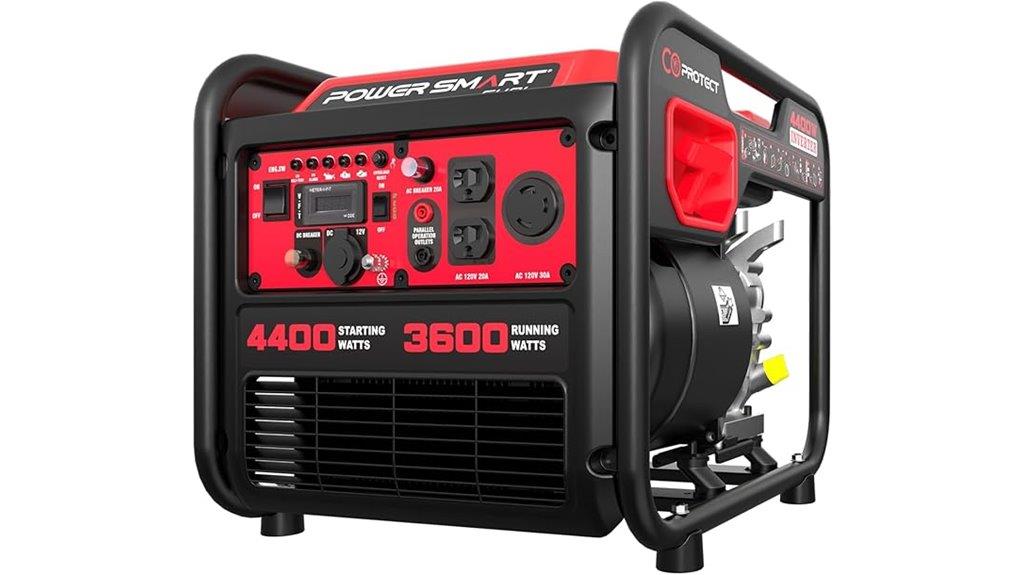
A 4400-watt portable inverter generator like the PowerSmart model provides reliable backup power during emergencies, making it an excellent choice for home heating when the power goes out. With a starting wattage of 4400W and rated at 3600W, it can handle essential appliances and small heaters. Its 223cc gas engine offers about 11 hours of runtime on a single tank, and its compact design makes it easy to store and transport. Despite its power, it operates quietly at 76 dB, making it suitable for residential areas. Safety features like CO detection and overload protection guarantee secure operation during extended outages.
Best For: homeowners, campers, and small to medium-sized RV owners seeking reliable backup power during outages or outdoor activities.
Pros:
- High power output with 4400W starting and 3600W rated, suitable for essential appliances and small heaters
- Quiet operation at 76 dB, ideal for residential and outdoor environments
- Long runtime of approximately 11 hours on a single tank, reducing refueling needs
Cons:
- Heavier at 61.29 lbs, which may impact portability despite its compact size
- Relies on gasoline, which requires storage and handling considerations
- Noise level, while relatively quiet, may still be noticeable in very quiet settings
Ontel Handy Heater Deluxe with Remote

When power outages strike, the Ontel Handy Heater Deluxe with Remote becomes a reliable choice for personal warmth, especially in small spaces. This 400-watt ceramic heater plugs into any outlet, providing instant heat for bedrooms, bathrooms, or even your garage. It features a digital display, adjustable temperature settings, and a remote control, making it easy to customize your comfort from a distance. The heater’s compact, lightweight design ensures portability and easy storage. Plus, it’s cool to the touch, so you can move it safely around your home. With its quick heating and user-friendly controls, it’s an excellent option for staying warm during power outages.
Best For: individuals seeking portable, quick, and adjustable heating solutions for small to medium spaces during power outages or everyday use.
Pros:
- Compact and lightweight design for easy portability and storage
- Remote control and programmable timer for convenient operation from a distance
- Cool to the touch exterior ensures safe handling around children and pets
Cons:
- Limited to 400-watt heating capacity, suitable mainly for small spaces
- May require multiple units for larger areas or consistent heat in bigger rooms
- No built-in oscillation or fan feature for broader heat distribution
Dura Heat Kerosene Space Heater (DH1100)

For anyone seeking reliable emergency heating without power, the Dura Heat Kerosene Space Heater (DH1100) stands out with its 10,000 BTU radiant design that quickly warms up to 450 square feet. It’s compact, portable, and suitable for indoor or outdoor use, with no electricity needed. Its battery-powered ignition guarantees dependable operation anywhere, while the 1-gallon tank provides up to 14 hours of continuous heat. The radiant glass burner delivers fast, efficient warmth, and easy wick replacement makes maintenance simple. Safety features like shut-off and tip-over protection give peace of mind during use, making it a solid choice for emergencies.
Best For: those in need of reliable, portable emergency heating without electricity, suitable for small spaces, outdoor events, or unheated rooms.
Pros:
- No electricity required, ideal for off-grid or emergency situations
- Up to 14 hours of continuous heat on a single tank
- Compact, portable design with quick setup and easy maintenance
Cons:
- Limited to heating areas up to 450 sq ft, not suitable for large spaces
- Uses kerosene fuel that requires proper storage and handling
- Potential safety concerns if not used with proper precautions or in poorly ventilated areas
Mr. Heater MH4B-Massachusetts/Canada Portable LP Heater , Red
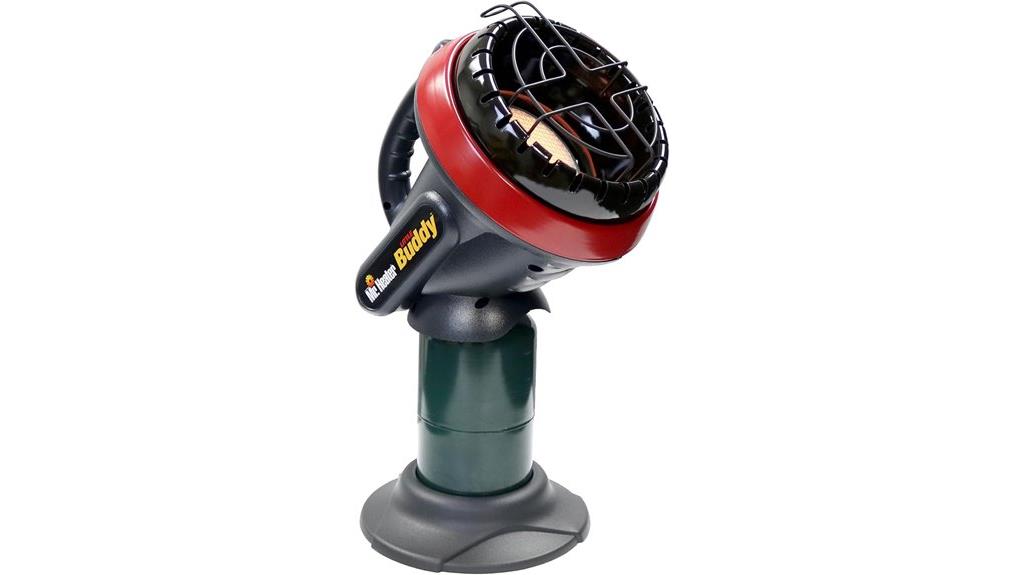
The Mr. Heater MH4B-Massachusetts/Canada Portable LP Heater, Red is a compact, efficient heating option that’s perfect for emergencies. It delivers 3,800 BTUs per hour, warming up to 95 square feet, making it ideal for small spaces. It connects directly to a 1-pound propane cylinder and features a one-button ignition for easy operation. The heater operates quietly, cleanly, and odor-free, ensuring comfort without fumes. Safety features like automatic low oxygen shut-off and tip-over protection make it reliable. Its small, round design takes up minimal floor space, making it a practical, portable choice for emergency heating when power is out.
Best For: individuals seeking a portable, safe, and efficient heating solution for small spaces during emergencies or power outages.
Pros:
- Compact and lightweight design for easy portability and minimal floor space
- Safe operation with automatic low oxygen shut-off and tip-over safety features
- Quiet, clean, and odor-free heating, ideal for indoor use in small areas
Cons:
- Limited heating capacity suitable only for small spaces up to 95 sq ft
- Requires a 1-pound propane cylinder, which may need frequent refilling for extended use
- Not suitable for continuous or long-term heating in larger areas
Kero World 10,000 BTU Kerosene Wick Heater

If you’re looking for reliable heat during power outages, the Kero World 10,000 BTU Kerosene Wick Heater stands out thanks to its battery-powered ignition that starts without electricity. It provides radiant heat for up to 450 square feet, making it perfect for small rooms or emergency use. Its compact, sturdy design makes it easy to move and set up, while the removable 1.1-gallon fuel tank offers a 14-hour runtime. With safety features like shut-off and tip-over protection, plus a glass burner system for efficient heat, it’s a dependable choice when the power’s out. Plus, no electrical hookup is needed, ensuring warmth whenever you need it.
Best For: those needing reliable, portable heat during power outages or in small, unheated spaces without requiring electrical power.
Pros:
- Battery-powered ignition for easy startup anywhere without electricity
- Long 14-hour runtime with removable 1.1-gallon fuel tank
- Safety features including shut-off and tip-over protection
Cons:
- Only suitable for heating spaces up to 450 sq ft, limiting larger area coverage
- Requires kerosene fuel, which must be stored and handled safely
- No built-in thermostat for precise temperature control
Grill Boss Dual Fuel Camp Stove with 4 Butane Canisters

When power outages strike, the Grill Boss Dual Fuel Camp Stove becomes an essential tool for reliable outdoor cooking, thanks to its compatibility with both butane canisters and propane cylinders. It includes four 8 oz butane canisters and a fuel adapter, allowing seamless switching between fuel types. Its compact, lightweight design makes it easy to transport and set up at a moment’s notice. The stove features an automatic Piezo ignition for quick, hassle-free lighting and advanced safety mechanisms like an automatic gas shutoff. Whether camping, tailgating, or emergency prepping, this stove offers dependable performance and versatility in any outdoor or power outage situation.
Best For: outdoor enthusiasts, campers, tailgaters, and anyone needing reliable emergency cooking during power outages.
Pros:
- Compatible with both butane canisters and propane cylinders for versatile fuel options
- Automatic Piezo ignition provides quick and easy lighting without matches
- Compact and lightweight design with a carrying case for portability
Cons:
- Propane canisters are sold separately, requiring additional purchase
- Limited to 8 oz butane canisters included in the package, which may need frequent replacement
- Advanced safety features require proper setup and maintenance for optimal performance
Aramox Kerosene Heater, 2600W 9000BTU, Portable Non-Electric Heater

For anyone seeking reliable warmth during power outages, the Aramox Kerosene Heater stands out as an excellent portable option. It delivers 9000 BTU per hour and can run up to 24 hours on a 4.6L fuel tank, making it ideal for extended use. Its compact design, weighing just over 11 pounds, allows easy transport for indoor or outdoor activities like camping or emergency situations. Made from durable SUS alloy, it’s built to last. Plus, since it operates without electricity, it’s completely energy-efficient and safe, providing consistent heat when the power’s out. This heater truly combines portability with reliable performance.
Best For: those in need of a portable, reliable heating solution during power outages, outdoor activities, or emergency situations without access to electricity.
Pros:
- Provides up to 24 hours of continuous warmth on a single refill, ideal for extended use
- Non-electric operation ensures safety and energy efficiency, suitable for outdoor and emergency scenarios
- Compact and lightweight design for easy portability and versatile indoor or outdoor use
Cons:
- Requires regular refilling of kerosene, which may be inconvenient for some users
- No built-in thermostat or temperature control, so heating may be less precise
- Must adhere to strict safety guidelines for fuel handling and operation to prevent accidents
Emergency Zone HeatSaver Survival Blanket (1 Pack)

The Emergency Zone HeatSaver Survival Blanket is an excellent choice when you need lightweight, portable insulation in emergency situations. Its inflatable design maximizes heat retention, making it highly effective for keeping you warm. Made from durable Mylar, it’s waterproof and suitable for winter conditions, providing reliable protection outdoors or during power outages. Measuring 51 x 84 inches, it fits adults comfortably while weighing just 7.2 ounces. Its modern space pattern adds a touch of style. With a high customer rating of 4.6 stars, this blanket offers a compact, easy-to-carry solution for cold emergencies. It’s an essential item for survival kits or outdoor adventures, ensuring you stay warm when it matters most.
Best For: individuals seeking a lightweight, reliable emergency blanket for outdoor activities, camping, or winter survival situations.
Pros:
- Inflatable design maximizes insulation and heat retention for superior warmth.
- Made from durable, waterproof Mylar material suitable for harsh winter conditions.
- Lightweight at just 7.2 ounces and compact, making it easy to carry in emergency kits or backpacks.
Cons:
- The size may not fully cover larger or multiple users simultaneously.
- It does not include additional features like reflective surfaces or integrated pouches.
- Limited color options, primarily available in a forest green space pattern.
Portable Kerosene Stove for Camping and Outdoor Cooking

A portable kerosene stove is an excellent choice for outdoor enthusiasts or anyone needing reliable heat and cooking options without electricity. Measuring just 17.5×18cm and weighing around 0.65–0.75kg, it’s lightweight and easy to carry for camping, picnics, or emergencies. Made of durable wrought iron, it supports safe heating and cooking for 2–3 people. With 8 cotton wicks burning for 4–5 hours, the stove offers adjustable flame control. It supports kerosene, diesel, or alcohol (excluding gasoline), making it versatile in non-electric situations. Its compact design makes it perfect for outdoor adventures or backup heating during power outages.
Best For: outdoor enthusiasts, campers, and emergency preparedness individuals seeking a portable, reliable heating and cooking solution without electricity.
Pros:
- Lightweight and compact, easy to carry for outdoor activities and emergencies
- Supports multiple fuels like kerosene, diesel, and alcohol, offering versatile usage options
- Durable wrought iron construction ensures stability and long-lasting performance
Cons:
- Limited capacity of approximately 1 liter may require frequent refueling on extended trips
- Not suitable for use with gasoline, which is strictly prohibited
- Requires careful handling during refueling and ignition to ensure safety
Factors to Consider When Choosing Emergency Home Heating Options Without Power

When choosing an emergency heating option without power, I consider safety first to prevent accidents. I also look at the size of the area I need to heat, the fuel type that works best with my setup, and how easy it is to move or store the device. Additionally, I think about how long I might need heat during a power outage to make sure my choice is dependable.
Safety Measures Needed
Ensuring safety is essential when selecting emergency home heating options without power, especially since improper use can lead to dangerous situations. First, always guarantee proper ventilation to prevent carbon monoxide buildup, which can be deadly. Check that your heater has safety features like tip-over switches and automatic shut-off mechanisms to minimize fire risks. Keep combustible materials at least three feet away from any heat source to prevent accidental fires. Before operation, inspect fuel containers and connections for leaks or damage to avoid hazardous spills or malfunctions. Finally, follow the manufacturer’s instructions carefully for safe operation and maintenance. Being vigilant about these safety measures helps protect you and your loved ones during emergencies, ensuring that your heating solution keeps you warm without creating additional hazards.
Heating Area Size
Choosing the right emergency heater depends on accurately evaluating the size of the area you need to warm. To do this, determine the square footage of the space. For small areas up to 200 square feet, a heater with around 10,000 to 12,000 BTUs or 1500-2000 watts usually works well. Larger spaces, like 400 to 1000 square feet, need more power—heaters with 20,000 to 30,000 BTUs or higher wattage. Keep in mind that poorly insulated rooms require a more powerful heater to compensate for heat loss. It’s wise to select a heater that exceeds your space’s size to ensure sufficient warmth during outages. Proper sizing helps you stay warm without wasting energy or risking underheating.
Fuel Type Compatibility
Selecting an emergency heater isn’t just about size; you also need to contemplate the fuel type it uses. It’s vital to ensure the heater matches the fuel you have access to, like kerosene, propane, or alcohol, for reliable operation. Check the heater’s fuel capacity and burn time to make sure it provides enough heat during extended outages. If your primary fuel source becomes unavailable, see if the heater supports alternative fuels such as diesel or alcohol. Safety is paramount, so confirm the heater’s design allows for safe indoor or outdoor use with your chosen fuel, including proper ventilation. Additionally, look for safety features like automatic shut-off or oxygen sensors to prevent accidents, guaranteeing both safety and functionality during emergencies.
Portability & Storage
When preparing for power outages, prioritizing portability and storage can make a big difference in how quickly and easily you can heat your home. Lightweight, compact heaters are ideal because they’re easy to carry and store, allowing you to move them where needed without hassle. Handles or carrying cases on portable heaters make quick relocation simple, whether you’re heating different rooms or outdoor spaces. Foldable or collapsible devices save space and are convenient to tuck away when not in use. Small fuel canisters or refillable tanks boost mobility by allowing easy transport and quick refilling. Proper storage in dry, accessible areas ensures your heating options are ready to deploy instantly during an emergency, giving you peace of mind when the power’s out.
Power Outage Duration
The expected length of a power outage plays a key role in determining the best emergency heating options. If outages last only a few hours, small portable heaters or supplemental devices should suffice. However, for outages extending over several days, more robust, fuel-based solutions become necessary. Planning for outages beyond 24 hours means ensuring a reliable fuel supply or alternative energy sources to maintain warmth. I also consider the likelihood of prolonged outages in my area, especially during harsh winters or storm seasons. Understanding local weather conditions helps me estimate how long I need to stay warm without power. This assessment guides whether I should invest in portable, short-term heaters or more permanent, fuel-powered systems capable of lasting multiple days.
Frequently Asked Questions
Which Emergency Heater Is Safest for Indoor Use Without Ventilation?
The safest emergency heater for indoor use without ventilation is a catalytic or ventless propane heater designed specifically for indoor use. I recommend these because they produce heat efficiently while minimizing carbon monoxide risks when used properly. However, I always stress the importance of proper installation, following manufacturer instructions, and having a carbon monoxide detector nearby. Never use traditional open-flame heaters that aren’t rated for indoor use, as they pose serious safety hazards.
How Long Can Portable Power Stations Realistically Power Heating Devices?
A portable power station can typically power small heating devices for about 2 to 8 hours, depending on the device’s wattage and the station’s capacity. I’ve found that low-wattage space heaters or ceramic heaters tend to last longer, but larger units or high-wattage heaters drain power quickly. To maximize runtime, I recommend using energy-efficient heaters and conserving power whenever you can.
Are Kerosene Heaters Safe for Use in Poorly Ventilated Spaces?
Kerosene heaters can be unsafe in poorly ventilated spaces because they produce carbon monoxide, which is dangerous to breathe. I always make certain proper ventilation if I use one, like opening windows or doors. It’s essential to follow the manufacturer’s safety instructions and never leave the heater unattended. If ventilation isn’t adequate, I recommend exploring safer alternatives like ventless electric heaters or portable propane heaters with safety features.
What Is the Typical Fuel Consumption Rate for These Emergency Heaters?
The typical fuel consumption rate for emergency heaters varies depending on the model and fuel type, but generally, kerosene heaters use about 0.2 to 0.4 gallons per hour. Propane heaters tend to consume around 1 to 2 pounds of fuel hourly. I recommend checking the specific manufacturer’s guidelines for accurate estimates, and always guarantee proper ventilation when using these heaters to stay safe.
Can These Heating Options Operate Effectively in Extremely Cold Temperatures?
Yes, many emergency heating options can work effectively in extremely cold temperatures. For instance, wood stoves and propane heaters are designed to generate substantial heat even in harsh conditions. I always recommend choosing models rated for low temperatures and ensuring proper installation and ventilation. Keep extra fuel or firewood handy, and test your heaters regularly to confirm they function well when it’s coldest outside.
Conclusion
When the power’s out, having these heating options can turn your home into a cozy fortress against the cold. Trust me, staying warm with these tools will feel like having a secret weapon against winter’s icy grip—your comfort and safety are worth it. Don’t wait until the cold hits—be prepared with these reliable solutions. After all, nothing’s worse than shivering in your own home when you could be warm and snug instead!