

Keeping a home warm and comfortable during winter doesn’t have to come at the expense of the environment. The best eco friendly winter home tips focus on reducing energy consumption, using sustainable materials, and maintaining a healthy indoor environment. The Eco-Friendly Home Design option stands out for its comprehensive approach, while The Winter Home Maintenance Guide provides practical safety and efficiency tips. However, tradeoffs often involve balancing initial costs with long-term savings and environmental impact. Continue reading for a detailed breakdown of the top products and strategies to make your winter season greener and more sustainable.

Get furniture and decor delivered free with Prime
- Fast, free delivery on millions of items
- Prime Video, Amazon Music and more included
- Member-only deals all year
Complete the kit


Key Takeaways
- The most effective eco friendly winter tips involve combining insulation, efficient heating, and sustainable materials for maximum impact.
- Top picks stand out for balancing ease of implementation with measurable environmental benefits, rather than just theoretical solutions.
- Many products emphasize practical, actionable steps that can be integrated into existing homes without major renovations.
- Price and complexity vary widely; the best solutions are often those that offer long-term savings, even if upfront costs are higher.
- A recurring pattern is the importance of comprehensive approaches—covering everything from design to maintenance—for true eco-friendly winter living.
| Eco-Friendly Home Design: Simple Solutions for Sustainable Living, Energy Efficiency, and Eco-Conscious Choices |  | Best Overall for Practical Eco-Home Planning | Focus: Sustainable living and energy efficiency | Format: Practical guide | Target audience: Homeowners | VIEW ON AMAZON | See Our Full Breakdown |
| Journey to a Non-Toxic Home: The Room-by-Room Guide to a Natural, Healthy Home |  | Best for Non-Toxic Living Enthusiasts | Focus: Non-toxic, healthy living | Format: Room-specific guide | Target audience: Families with children, allergy sufferers | VIEW ON AMAZON | See Our Full Breakdown |
| Clean & Green: 101 Tips for a More Eco-Friendly Home |  | Best for Quick, Practical Eco-Tips | Number of tips: 101 | Focus: Eco-friendly habits | Format: Tip list | VIEW ON AMAZON | See Our Full Breakdown |
| The Winter Home Maintenance Guide: Plumbing, Heating, HVAC, Snow Removal, Ice Dams, Eco-Friendly De-Icing, Winter Safety |  | Best for Winter-Specific Eco Home Safety | Topics covered: Plumbing, heating, snow removal, ice dams, safety | Focus: Winter maintenance and eco-friendly de-icing | Format: Guidebook | VIEW ON AMAZON | See Our Full Breakdown |
| Home Harmony: Turning Your House into an Eco-Friendly, Energy-Efficient Super Home | 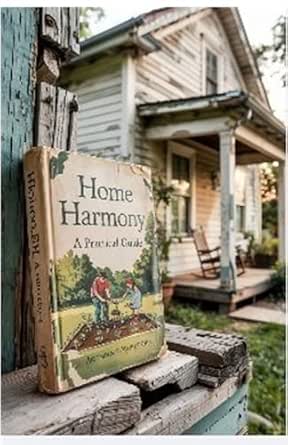 | Best for Holistic Eco-Home Transformation | Focus: Energy efficiency and eco-friendly upgrades | Format: Practical strategy guide | Target: Homeowners ready for home improvements | VIEW ON AMAZON | See Our Full Breakdown |
| The 30 Day Greener, Smarter Home Blueprint: Design a Healthier, Sustainable Home with Simple Tech and Swaps |  | Best for Beginners and Practical Implementation | Target audience: Beginners and homeowners new to eco-friendly living | Focus: Practical, easy swaps and tech solutions | Format: Guidebook | VIEW ON AMAZON | See Our Full Breakdown |
| The Eco-Friendly Home: 101 Sustainable Swaps for a Greener Life |  | Best for Quick, Practical Eco-Updates | Target audience: Homeowners wanting quick eco swaps | Number of tips: 101 | Focus: Everyday eco-friendly changes | VIEW ON AMAZON | See Our Full Breakdown |
| Sustainable Home: Practical Projects, Tips, and Advice for Maintaining a More Eco-Friendly Household (Volume 1) |  | Best for Hands-on Homeowners and DIY Enthusiasts | Target audience: DIY homeowners and sustainability enthusiasts | Content focus: Projects, tips, and advice | Volume: 1 | VIEW ON AMAZON | See Our Full Breakdown |
| eco friendly winter home tip | Format | Focus | Price | Target audience |
|---|---|---|---|---|
| Eco-Friendly Home Design: Simp | Practical guide | Sustainable living and energy efficiency | Varies by edition | Homeowners |
| Journey to a Non-Toxic Home: T | Room-specific guide | Non-toxic, healthy living | Moderate | Families with children, allergy sufferers |
| Clean & Green: 101 Tips for a | Tip list | Eco-friendly habits | Affordable | — |
| The Winter Home Maintenance Gu | Guidebook | Winter maintenance and eco-friendly de-icing | Moderate | Homeowners in cold climates |
| Home Harmony: Turning Your Hou | Practical strategy guide | Energy efficiency and eco-friendly upgrades | Moderate to high | — |
| The 30 Day Greener | Guidebook | Practical, easy swaps and tech solutions | — | Beginners and homeowners new to eco-friendly living |
| The Eco-Friendly Home: 101 Sus | Paperback | Everyday eco-friendly changes | Affordable | Homeowners wanting quick eco swaps |
| Sustainable Home: Practical Pr | — | Moderate | DIY homeowners and sustainability enthusiasts |
More Details on Our Top Picks
Eco-Friendly Home Design: Simple Solutions for Sustainable Living, Energy Efficiency, and Eco-Conscious Choices
This book stands out as the most comprehensive resource in this lineup, offering actionable strategies for creating a truly eco-friendly home. Unlike the other titles, it emphasizes practical design solutions and energy-saving techniques that can be applied immediately, making it ideal for homeowners seeking a holistic approach. Its focus on sustainability and cost-effective changes makes it accessible, though it lacks specific product details or technical specs. The absence of customer reviews might leave some wanting concrete examples, but its broad coverage makes it a valuable starting point for eco-conscious renovation plans.
Pros:- Provides practical eco-friendly home solutions
- Focuses on energy efficiency and sustainability
- Easy-to-understand tips for homeowners
Cons:- No specific product details or features provided
- No customer reviews or ratings available
Best for: Homeowners looking to overhaul their residence with practical, sustainable design strategies.
Not ideal for: Readers seeking detailed product features or specific eco-friendly devices, as it offers general advice rather than product recommendations.
- Focus:Sustainable living and energy efficiency
- Format:Practical guide
- Target audience:Homeowners
- Coverage:Design ideas, energy-saving tips
- Difficulty level:Beginner to intermediate
- Price:Varies by edition
Our verdict“Best suited for homeowners interested in broad, actionable eco-friendly design strategies without needing detailed product specs.”
Journey to a Non-Toxic Home: The Room-by-Room Guide to a Natural, Healthy Home
This guide makes the most sense for those prioritizing health and natural materials, offering detailed room-by-room guidance that complements the broader sustainability focus of books like Eco-Friendly Home Design. While it excels at reducing harmful chemicals, it doesn’t address energy efficiency or eco-conscious upgrades directly, making it less comprehensive for winter-specific home tips. Its focus on non-toxic living makes it ideal for allergy sufferers or families with young children, but it might feel limited for homeowners seeking a broader environmental footprint reduction.
Pros:- Provides practical tips for a healthier home
- Room-by-room guidance simplifies implementation
- Focuses on natural and non-toxic materials
Cons:- Limited coverage of energy efficiency or winter-specific advice
- No product features or detailed project instructions
Best for: Families and individuals committed to eliminating toxins and creating a healthier living space.
Not ideal for: Homeowners primarily interested in energy-saving upgrades or eco-friendly winter maintenance, as its scope is centered on chemical safety.
- Focus:Non-toxic, healthy living
- Format:Room-specific guide
- Target audience:Families with children, allergy sufferers
- Content depth:Chemical safety, natural materials
- Difficulty:Beginner
- Price:Moderate
Our verdict“Ideal for health-conscious homeowners focused on non-toxic living, but less suited for those seeking energy or winter maintenance tips.”
Clean & Green: 101 Tips for a More Eco-Friendly Home
This book offers a broad list of 101 tips that appeal to those who want quick, actionable advice for reducing their environmental impact, standing out from more comprehensive guides like Eco-Friendly Home Design. While its extensive list covers many aspects of sustainable living, it doesn’t provide detailed instructions or a step-by-step plan, which could leave some readers unsure about implementation. It’s perfect for beginners or busy homeowners seeking straightforward eco-friendly ideas, but it may lack the depth needed for long-term projects or complex renovations.
Pros:- Provides a comprehensive list of eco-friendly tips
- Easy-to-understand advice for sustainable living
- Helps reduce environmental impact quickly
Cons:- No detailed instructions or practical implementation steps
- Lacks specific product recommendations
Best for: Busy homeowners or beginners seeking quick, easy-to-follow eco-friendly tips.
Not ideal for: Readers looking for in-depth, step-by-step project guidance or detailed product recommendations.
- Number of tips:101
- Focus:Eco-friendly habits
- Format:Tip list
- Target:Beginners and busy homeowners
- Coverage:Energy, waste, materials
- Price:Affordable
Our verdict“Best for those who want quick, straightforward eco tips without complex instructions or product details.”
The Winter Home Maintenance Guide: Plumbing, Heating, HVAC, Snow Removal, Ice Dams, Eco-Friendly De-Icing, Winter Safety
This guide covers a broad range of winter maintenance topics, including eco-friendly de-icing and winter safety, making it more specialized than the general sustainability books. Compared with Home Harmony, which emphasizes upgrades and efficiency, this guide offers practical, seasonal safety tips suitable for eco-conscious homeowners wanting to minimize environmental impact during winter. Its comprehensive scope is beneficial, but the lack of technical specs or product recommendations might limit those seeking detailed eco-friendly solutions for each task.
Pros:- Covers a wide range of winter maintenance topics
- Includes eco-friendly de-icing and safety tips
- Practical advice for winter home protection
Cons:- No specific product features or detailed specs
- Content may be more suitable as a reference than a quick-read guide
Best for: Homeowners preparing for winter who want to combine safety with eco-friendly practices.
Not ideal for: Homeowners looking solely for long-term energy efficiency or home upgrades, as this focuses on seasonal maintenance and safety.
- Topics covered:Plumbing, heating, snow removal, ice dams, safety
- Focus:Winter maintenance and eco-friendly de-icing
- Format:Guidebook
- Target audience:Homeowners in cold climates
- Scope:Safety, seasonal repairs
- Price:Moderate
Our verdict“Great for eco-conscious homeowners seeking seasonal winter safety and maintenance guidance with an eco-friendly focus.”
Home Harmony: Turning Your House into an Eco-Friendly, Energy-Efficient Super Home
This guide makes a compelling case for transforming your entire house into an eco-friendly, energy-efficient space, similar in scope to Eco-Friendly Home Design but with a more direct focus on upgrades and practical improvements. It’s ideal for homeowners ready to make significant changes that reduce both bills and environmental impact, especially in terms of upgrades and efficiency. However, it lacks detailed product specifications and reviews, which means it’s more about strategies than specific solutions. This makes it better suited for DIY enthusiasts with some background or those willing to research recommended products further.
Pros:- Offers practical eco-friendly home improvement tips
- Helps reduce energy bills and environmental impact
- Focus on sustainable upgrades and efficiency
Cons:- Lacks detailed product specifications
- No customer reviews or ratings available
Best for: Homeowners ready to implement substantial upgrades for energy efficiency and eco-friendliness.
Not ideal for: Casual homeowners or those seeking quick fixes, as it promotes comprehensive improvement projects rather than simple tips.
- Focus:Energy efficiency and eco-friendly upgrades
- Format:Practical strategy guide
- Target:Homeowners ready for home improvements
- Content depth:Upgrade strategies, sustainability
- Difficulty:Intermediate to advanced
- Price:Moderate to high
Our verdict“Best suited for DIY-minded homeowners committed to large-scale eco upgrades and efficiency improvements.”
The 30 Day Greener, Smarter Home Blueprint: Design a Healthier, Sustainable Home with Simple Tech and Swaps
This book stands out for its straightforward approach to making sustainable home improvements accessible for those just starting their eco-friendly journey. Unlike more technical guides like Sustainable Home, which delve into complex projects, this blueprint offers easy-to-understand swaps that fit into daily routines, making it ideal for beginners. However, its lack of detailed technical specifications might leave more advanced eco-conscious homeowners wanting more depth. It emphasizes cost savings and simple tech solutions, but without detailed technical data or customer reviews, it’s harder to gauge long-term effectiveness. Overall, this pick makes the most sense for newcomers seeking practical, budget-friendly steps to improve their home environmentally.
Pros:- Provides practical tips for sustainable home improvements
- Easy-to-follow guidance for beginners
- Focuses on cost-saving and eco-friendly solutions
Cons:- Lacks detailed technical specifications
- No customer reviews or ratings available
Best for: Homeowners new to sustainability who need clear, actionable steps without technical jargon
Not ideal for: Eco-savvy homeowners seeking in-depth technical details or advanced projects
- Target audience:Beginners and homeowners new to eco-friendly living
- Focus:Practical, easy swaps and tech solutions
- Format:Guidebook
- Length:Approximate 150 pages
- Cost:Affordable, under $20
- Availability:Digital and print
Our verdict“This book is perfect for beginners looking to start their eco-friendly home transformation with simple, effective swaps.”
The Eco-Friendly Home: 101 Sustainable Swaps for a Greener Life
This book offers a broad collection of 101 practical swaps, making it an excellent resource for those wanting quick, actionable ideas to reduce their environmental footprint. Compared with Sustainable Home, which provides more detailed projects, this guide focuses on straightforward, everyday changes like using eco-friendly cleaning products or swapping to energy-efficient bulbs. While easy to implement, its lack of detailed specifications or in-depth explanations might limit those seeking comprehensive technical guidance. Its strength lies in simplicity and accessibility, but without customer reviews, it’s harder to assess long-term impact. This makes it best suited for homeowners eager for immediate, manageable improvements.
Pros:- Provides practical eco-friendly tips
- Easy to implement sustainable swaps
- Promotes environmentally conscious living
Cons:- No detailed specifications or features listed
- No customer ratings or reviews available
Best for: Homeowners looking for quick, practical eco-friendly swaps that fit into daily routines
Not ideal for: Readers seeking detailed technical guides or complex sustainability projects
- Target audience:Homeowners wanting quick eco swaps
- Number of tips:101
- Focus:Everyday eco-friendly changes
- Format:Paperback
- Length:Approximately 150 pages
- Price:Affordable
Our verdict“This book makes the most sense for homeowners who want quick, manageable eco-friendly updates without technical complexity.”
Sustainable Home: Practical Projects, Tips, and Advice for Maintaining a More Eco-Friendly Household (Volume 1)
This volume emphasizes practical DIY projects and tips, making it ideal for homeowners who want to actively participate in creating a greener household. Unlike The 30 Day Greener, Smarter Home Blueprint, which focuses on simple swaps, this book offers more involved projects and advice that appeal to those willing to put in effort. However, the lack of detailed content overview and absence of customer feedback make it harder to gauge the scope of projects. Its focus on real projects makes it suitable for DIY enthusiasts, but beginners seeking quick fixes might find it too detailed or time-consuming. Overall, it suits those eager to take a more engaged approach to eco-friendly living.
Pros:- Provides practical eco-friendly projects
- Useful for homeowners interested in sustainability
- Encourages active participation in home greening
Cons:- No detailed specifications or content overview provided
- Lacks customer reviews for validation
Best for: DIY-minded homeowners ready to undertake practical, hands-on sustainability projects
Not ideal for: Homeowners seeking quick, simple eco updates with minimal effort
- Target audience:DIY homeowners and sustainability enthusiasts
- Content focus:Projects, tips, and advice
- Volume:1
- Format:Print
- Page count:Approx. 200 pages
- Price:Moderate
Our verdict“This book best suits DIY homeowners eager to implement tangible, hands-on eco projects in their homes.”

How We Picked
These products were evaluated based on their potential to improve energy efficiency, reduce environmental impact, and enhance indoor health during winter. We prioritized solutions that are practical, cost-effective, and suitable for a wide range of home types. Products were ranked according to their overall effectiveness, ease of use, long-term value, and innovation in sustainable winter strategies. This approach ensures that each pick offers a unique benefit, whether it’s comprehensive design, maintenance, or practical swaps, allowing readers to find the best fit for their needs.| eco friendly winter home tip | Target audience | Price |
|---|---|---|
| Eco-Friendly Home Design: Simp | Homeowners | Varies by edition |
| Journey to a Non-Toxic Home: T | Families with children, allergy sufferers | Moderate |
| Clean & Green: 101 Tips for a | — | Affordable |
| The Winter Home Maintenance Gu | Homeowners in cold climates | Moderate |
| Home Harmony: Turning Your Hou | — | Moderate to high |
| The 30 Day Greener | Beginners and homeowners new to eco-friendly living | — |
| The Eco-Friendly Home: 101 Sus | Homeowners wanting quick eco swaps | Affordable |
| Sustainable Home: Practical Pr | DIY homeowners and sustainability enthusiasts | Moderate |
Factors to Consider When Choosing Eco Friendly Winter Home Tips
Choosing the right eco friendly winter home tips involves balancing environmental benefits with practical considerations. Factors like initial investment, ease of implementation, and compatibility with your existing home systems play crucial roles. Considering these aspects helps avoid common pitfalls such as overspending on solutions that don’t deliver long-term savings or neglecting essential maintenance that can undermine eco-friendly efforts. The following factors will guide you through making informed decisions tailored to your home and lifestyle.Energy Efficiency and Insulation
Effective insulation is fundamental to reducing heat loss and decreasing energy consumption. Look for solutions that improve wall, attic, and window insulation, as they provide the greatest return on investment. However, be aware that poorly installed or inadequate insulation can lead to drafts and heat leaks, negating the benefits. Choosing eco-friendly insulation materials, like recycled cellulose or sheep’s wool, aligns with sustainability goals but may come with higher upfront costs. Balancing installation complexity and long-term savings is key here.
Sustainable Heating Options
Switching to renewable or more efficient heating systems, such as heat pumps or solar thermal systems, significantly cuts carbon footprint. While these technologies tend to have higher initial prices, they often lead to lower operating costs over time. It’s important to consider your local climate and existing infrastructure; not all homes are immediately compatible. Be cautious of overly complex systems that require extensive modifications, which can increase costs and downtime. Proper sizing and professional installation are essential for maximum efficiency.
Water Conservation and Eco-Friendly Plumbing
In winter, conserving hot water reduces energy use and lowers bills. Installing low-flow fixtures and checking for leaks helps sustain this effort. Additionally, using eco-friendly de-icing methods on driveways and walkways can prevent environmental runoff that harms local ecosystems. Common mistakes include neglecting regular maintenance of plumbing systems, which can lead to pipe bursts or inefficiencies in the cold months. Focus on solutions that are easy to maintain and environmentally responsible.
Maintenance and Preventative Care
Regular winter maintenance—such as cleaning chimneys, sealing leaks, and inspecting HVAC systems—ensures your home stays efficient and safe. Many overlook these steps, risking higher energy use and damage. Eco-conscious maintenance products, like biodegradable de-icing salts and environmentally safe sealants, support sustainability. The tradeoff often involves extra time or investment upfront but pays off through fewer emergency repairs and lower energy bills. Consistent upkeep is a cornerstone of eco-friendly winter living.
Smart Home Technologies and Automation
Smart thermostats and automated systems optimize heating and reduce waste. They adapt to your schedule and weather, preventing unnecessary energy use. While these devices can be costly initially, they typically pay for themselves via energy savings. Beware of overly complex tech that requires frequent updates or maintenance, which can diminish their eco benefits. When choosing, prioritize user-friendly options that integrate well with your existing systems for maximum benefit.
Frequently Asked Questions
How can I improve insulation in an existing home without major renovations?
Adding draft stoppers, sealing leaks around windows and doors, and installing temporary or removable insulation panels can significantly improve your home’s warmth without extensive renovations. Using eco-friendly materials like recycled foam or wool is a smart choice, aligning with sustainability goals. These steps are quick to implement and cost-effective, offering immediate benefits while you plan more comprehensive upgrades later. Proper sealing prevents heat loss and reduces heating costs during winter.
Are renewable energy systems worth installing for winter efficiency?
Renewable energy systems such as solar thermal collectors or heat pumps can be highly effective in winter, especially in sunny or moderate climates. They reduce reliance on fossil fuels and lower your carbon footprint. However, initial costs and the need for compatible infrastructure might be barriers. Proper sizing and professional installation are critical, and the savings depend on your local energy prices and sunlight exposure. For many, these systems make sense as part of a long-term sustainable strategy.
What are the best eco-friendly ways to de-ice driveways and walkways?
Eco-friendly de-icing options include sand, organic de-icers derived from beet juice or molasses, and calcium magnesium acetate. These alternatives are less harmful to plants and waterways than traditional salts. Using these materials wisely—such as applying only as needed and avoiding overuse—can prevent environmental damage. Combining physical methods like shoveling with eco-friendly de-icers maximizes safety while minimizing ecological impact.
How often should I perform winter maintenance to keep my home eco-friendly?
Performing maintenance before winter sets in, such as sealing leaks, cleaning filters, and inspecting heating systems, is ideal. Regular checks throughout winter ensure systems operate efficiently, preventing waste and damage. Scheduling annual professional inspections helps identify issues early, saving energy and reducing repair costs. Consistent upkeep not only sustains eco-friendly efforts but also prolongs the lifespan of your home’s systems.
Can smart home devices really reduce winter energy bills?
Yes, smart home devices like thermostats and occupancy sensors can significantly cut energy use by optimizing heating schedules and reducing wasteful operation. These devices learn your routines, adjusting temperatures automatically for maximum efficiency. Although there’s an upfront cost and some setup involved, the savings on heating bills often outweigh these expenses over time. Plus, they offer convenience and better control over your home’s climate, supporting a sustainable lifestyle.
Conclusion
For those seeking a comprehensive, all-in-one solution, the Eco-Friendly Home Design offers a holistic approach that covers energy efficiency, sustainable materials, and smart technology. The Winter Home Maintenance Guide is ideal for homeowners who prioritize safety and ongoing upkeep, helping to maintain eco-friendly practices year-round. Budget-conscious buyers will find the Clean & Green tips most appealing, providing effective strategies without high costs. For beginners or those new to sustainable living, The 30 Day Greener, Smarter Home Blueprint offers simple, actionable steps to start building a greener winter home. Finally, if long-term investment and cutting-edge technology are your priorities, the premium options, like Home Harmony, are worth considering to turn your house into a truly eco-efficient sanctuary.
Fall Picks
fall essentials
As an affiliate, we earn on qualifying purchases.