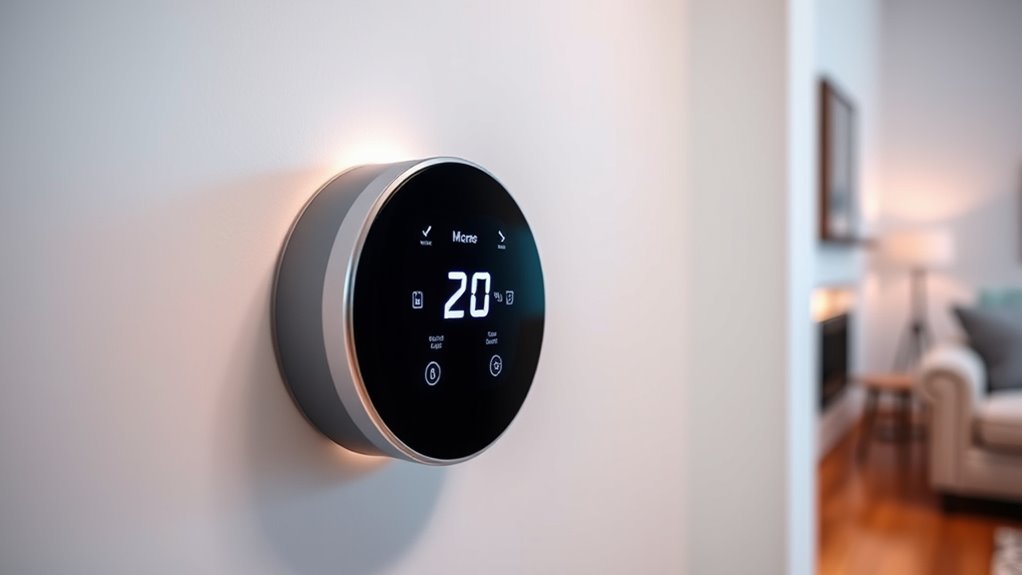

Choosing the right smart control for your baseboard heater can significantly improve energy efficiency and comfort. In 2026, a few standout options make this decision easier, each tailored to different needs. The Mysa Smart Thermostat LITE shines for budget-conscious DIYers who want basic remote control and scheduling. The Mysa V2 offers a more refined experience with a touchscreen and advanced features for tech-savvy users. Meanwhile, the Meross Matter Smart Thermostat delivers broad smart home ecosystem compatibility, perfect for those already invested in multiple platforms. Each has tradeoffs, like wiring requirements or feature sets, so I’ll help clarify which fits which type of buyer.

Get furniture and decor delivered free with Prime
- Fast, free delivery on millions of items
- Prime Video, Amazon Music and more included
- Member-only deals all year
Complete the kit


Key Takeaways
- The Mysa LITE is ideal for budget-friendly setups and DIY installation but has wiring limitations.
- The Mysa V2 offers a premium experience with a touchscreen and adaptive display, suited for tech enthusiasts.
- Meross models excel in smart home ecosystem compatibility, making them perfect for integrated smart homes.
- All options require high-voltage wiring; compatibility with low-voltage systems is limited.
- Features like energy monitoring and open window detection can save money, but setup complexity varies.
| Mysa Smart Thermostat LITE for Electric Baseboard Heaters |  | Best Overall for Simplicity and Cost-Effective Control | Controller Type: Amazon Alexa, Android, Apple HomeKit, Google Assistant, iOS | Additional Features: Auto-Scheduling, Geofence Technology, Programmable, Temperature Display, Vacation Mode | Specific Uses For Product: Convector Heaters, Electric Baseboard Heater, Fan Forced Heaters, Wall Heaters | VIEW ON AMAZON | See Our Full Breakdown |
| Mysa Smart Thermostat V2 for Electric Baseboard Heaters |  | Best for Premium Users Wanting a Touchscreen and Advanced Features | Controller Type: Amazon Alexa, Android, Apple HomeKit, Google Assistant, iOS | Additional Features: Audible Touch Feedback, Adaptive Display Technology, Energy Insights, Geofencing, Scheduling | Specific Uses For Product: High voltage electric heating systems including baseboard heater, convector, radiant ceiling heating | VIEW ON AMAZON | See Our Full Breakdown |
| Meross Matter Smart Thermostat for Electric Baseboard Heaters |  | Best for Broad Ecosystem Compatibility and Energy Savings | Controller Type: Amazon Alexa, Apple HomeKit, Google Assistant, Matter, SmartThings | Additional Features: Auto-Scheduling, Child Lock, Energy Monitoring, Fast Response, Offline Control, Voice & App Control | Specific Uses For Product: Electric Baseboard Heater | VIEW ON AMAZON | See Our Full Breakdown |
| Meross Smart Thermostat for Electric Baseboard and In-Wall Heaters |  | Best for Easy Installation and Precise Control | Controller Type: Amazon Alexa, Apple HomeKit, Google Assistant, SmartThings | Additional Features: Programmable | Specific Uses For Product: Convector, Electric Baseboard Heater, Fan-Forced Systems, In-Wall Heaters | VIEW ON AMAZON | See Our Full Breakdown |
| baseboard heater thermostat smart control | Controller Type | Additional Features | Specific Uses For Product | Temperature Control Type |
|---|---|---|---|---|
| Mysa Smart Thermostat LITE for | Amazon Alexa, Android, Apple HomeKit, Google Assistant, iOS | Auto-Scheduling, Geofence Technology, Programmable, Temperature Display, Vacation Mode | Convector Heaters, Electric Baseboard Heater, Fan Forced Heaters, Wall Heaters | Heating |
| Mysa Smart Thermostat V2 for E | Amazon Alexa, Android, Apple HomeKit, Google Assistant, iOS | Audible Touch Feedback, Adaptive Display Technology, Energy Insights, Geofencing, Scheduling | High voltage electric heating systems including baseboard heater, convector, radiant ceiling heating | Heating |
| Meross Matter Smart Thermostat | Amazon Alexa, Apple HomeKit, Google Assistant, Matter, SmartThings | Auto-Scheduling, Child Lock, Energy Monitoring, Fast Response, Offline Control, Voice & App Control | Electric Baseboard Heater | Heating |
| Meross Smart Thermostat for El | Amazon Alexa, Apple HomeKit, Google Assistant, SmartThings | Programmable | Convector, Electric Baseboard Heater, Fan-Forced Systems, In-Wall Heaters | Heating |
More Details on Our Top Picks
Mysa Smart Thermostat LITE for Electric Baseboard Heaters
The Mysa Smart Thermostat LITE stands out for its straightforward approach to remote control and scheduling. It supports popular voice assistants like Alexa, Google Assistant, and Apple HomeKit, making hands-free control seamless. Compared with the V2, it lacks a touchscreen and some advanced features, but its DIY installation process is a major plus for those comfortable with wiring. It’s perfect for homeowners seeking a reliable, no-frills smart thermostat that can help cut heating costs by up to 26%. Its main limitation is wiring compatibility, as it needs a neutral wire or second live wire, and it doesn’t have a display on the device itself, relying solely on the app for control.
Pros:- Supports multiple voice assistants for hands-free operation
- Easy DIY installation with clear step-by-step guide
- Allows detailed scheduling and energy monitoring
Cons:- Requires compatible wiring (neutral or second live wire)
- Limited to electric baseboard and similar heaters
- No display screen on the device itself
Best for: Budget-conscious homeowners who want easy installation and basic remote control.
Not ideal for: Users seeking advanced touchscreen controls or those with incompatible wiring setups.
- Controller Type:Amazon Alexa, Android, Apple HomeKit, Google Assistant, iOS
- Additional Features:Auto-Scheduling, Geofence Technology, Programmable, Temperature Display, Vacation Mode
- Specific Uses For Product:Convector Heaters, Electric Baseboard Heater, Fan Forced Heaters, Wall Heaters
- Temperature Control Type:Heating
- Connectivity Technology:Bluetooth, Wi-Fi
- Power Source:Corded Electric
- Voltage:240 volts
- Display Type:LCD
- Control Method:App, Touch, Voice
Our verdict“Great value for those wanting simple, app-based control without extra frills.”
Mysa Smart Thermostat V2 for Electric Baseboard Heaters
The Mysa V2 elevates the smart thermostat experience with its 3.5-inch LED touchscreen, offering intuitive control and adaptive display technology. It supports all major voice assistants and integrates well with smart home systems, making scheduling and energy management straightforward. Compared with the LITE, the V2’s screen allows easier manual adjustments and better visibility in low light. Its sleek, modern design fits well in contemporary homes. The main drawback is its wiring requirement—high-voltage systems with specific wiring—so it’s less suitable for those with simpler or low-voltage setups. Its higher price point reflects its advanced features, but it’s worth it for users who want a more polished experience.
Pros:- Easy control via app and touch interface
- Supports multiple smart home platforms including Alexa, Google, and HomeKit
- Adaptive display technology enhances usability and aesthetics
Cons:- Requires high/line voltage wiring with specific wiring configurations
- Higher cost compared to basic models
- Limited to electric high-voltage systems
Best for: Tech-savvy homeowners seeking a touchscreen interface and advanced scheduling features.
Not ideal for: Those on a tight budget or with incompatible wiring setups.
- Controller Type:Amazon Alexa, Android, Apple HomeKit, Google Assistant, iOS
- Additional Features:Audible Touch Feedback, Adaptive Display Technology, Energy Insights, Geofencing, Scheduling
- Specific Uses For Product:High voltage electric heating systems including baseboard heater, convector, radiant ceiling heating
- Temperature Control Type:Heating
- Connectivity Technology:WiFi, NFC
- Power Source:Corded Electric
- Voltage:240 volts
- Display Type:LED Screen
- Screen Size:3.5 inches
Our verdict“The ideal choice for those wanting a premium, touchscreen control with broad smart home compatibility.”
Meross Matter Smart Thermostat for Electric Baseboard Heaters
The Meross Matter Smart Thermostat offers excellent ecosystem flexibility, supporting Alexa, Apple HomeKit, Google Home, and SmartThings. It features energy monitoring, open window detection, and customizable scheduling, making it a versatile choice for those seeking integrated control across multiple platforms. Its Matter compatibility ensures future-proofing and seamless device interoperability. On the downside, it’s primarily designed for high-voltage systems and may require specific wiring, limiting its use in some homes. The app interface isn’t as refined as premium models, but its broad compatibility compensates for this. It’s best suited for users who want a flexible, ecosystem-agnostic thermostat that can help reduce energy bills.
Pros:- Compatible with multiple smart home ecosystems including Alexa, HomeKit, Google, and SmartThings
- Energy monitoring and open window detection save money
- Supports future-proof Matter protocol for device interoperability
Cons:- Designed for high-voltage systems, not low-voltage HVAC
- Requires Wi-Fi and smart home ecosystem setup
- User interface and app experience are less refined than premium options
Best for: Smart home enthusiasts seeking broad compatibility and energy-saving features.
Not ideal for: Users with low-voltage systems or those not interested in extensive ecosystem integration.
- Controller Type:Amazon Alexa, Apple HomeKit, Google Assistant, Matter, SmartThings
- Additional Features:Auto-Scheduling, Child Lock, Energy Monitoring, Fast Response, Offline Control, Voice & App Control
- Specific Uses For Product:Electric Baseboard Heater
- Temperature Control Type:Heating
- Connectivity Technology:Matter, Wi-Fi
- Power Source:Corded Electric
- Voltage:120 volts
- Display Type:LCD
- Control Method:Voice & App
Our verdict“A flexible, ecosystem-friendly choice for energy-conscious smart home owners.”
Meross Smart Thermostat for Electric Baseboard and In-Wall Heaters
This Meross thermostat is designed for high-voltage electric baseboard, convectors, and in-wall heaters. It features straightforward installation, supporting scheduling, energy monitoring, and voice commands across Alexa, HomeKit, and Google. Its 120V-240V compatibility makes it suitable for a broad range of electric heating systems. Compared with the other Meross model, it emphasizes quick installation and precise temperature control with 1°F accuracy. However, it requires at least four wires in the electrical box, which may not be available in all homes. While it doesn’t have the advanced touchscreens of the V2, it offers reliable control and good smart home integration for those seeking a no-fuss solution.
Pros:- Easy to install in less than 30 minutes
- Supports multiple smart home platforms including HomeKit, Alexa, and Google
- Provides precise temperature control with 1°F accuracy
Cons:- Requires 4 or more wires in the electrical box
- High-voltage heater not included
- Designed specifically for high-voltage systems, not low-voltage
Best for: Homeowners seeking a balance of straightforward installation and reliable control across major smart platforms.
Not ideal for: Those with fewer wires or low-voltage systems.
- Controller Type:Amazon Alexa, Apple HomeKit, Google Assistant, SmartThings
- Additional Features:Programmable
- Specific Uses For Product:Convector, Electric Baseboard Heater, Fan-Forced Systems, In-Wall Heaters
- Temperature Control Type:Heating
- Connectivity Technology:Wi-Fi
- Power Source:Corded Electric
- Voltage:120 volts
- Display Type:LCD
- Control Method:App, Remote, Voice
Our verdict“A dependable option for those wanting easy setup and multi-platform compatibility.”

How We Picked
To select these products, I focused on compatibility with electric baseboard heaters, ease of installation, smart home integrations, and energy-saving features. I prioritized models with broad voice assistant support and flexible control options, considering both user-friendliness and advanced capabilities. I also examined wiring requirements, since high-voltage systems are common for baseboard heaters, and looked for reliable build quality and positive user feedback. The goal was to identify options that balance affordability, feature richness, and compatibility for a range of typical home setups.
| baseboard heater thermostat smart control | Controller Type | Additional Features | Specific Uses For Product | Connectivity Technology |
|---|---|---|---|---|
| Mysa Smart Thermostat LITE for | Amazon Alexa, Android, Apple HomeKit, Google Assistant, iOS | Auto-Scheduling, Geofence Technology, Programmable, Temperature Display, Vacation Mode | Convector Heaters, Electric Baseboard Heater, Fan Forced Heaters, Wall Heaters | Bluetooth, Wi-Fi |
| Mysa Smart Thermostat V2 for E | Amazon Alexa, Android, Apple HomeKit, Google Assistant, iOS | Audible Touch Feedback, Adaptive Display Technology, Energy Insights, Geofencing, Scheduling | High voltage electric heating systems including baseboard heater, convector, radiant ceiling heating | WiFi, NFC |
| Meross Matter Smart Thermostat | Amazon Alexa, Apple HomeKit, Google Assistant, Matter, SmartThings | Auto-Scheduling, Child Lock, Energy Monitoring, Fast Response, Offline Control, Voice & App Control | Electric Baseboard Heater | Matter, Wi-Fi |
| Meross Smart Thermostat for El | Amazon Alexa, Apple HomeKit, Google Assistant, SmartThings | Programmable | Convector, Electric Baseboard Heater, Fan-Forced Systems, In-Wall Heaters | Wi-Fi |
Factors to Consider When Choosing Baseboard Heater Thermostat Smart Control
Selecting the right smart thermostat for your baseboard heater involves understanding your wiring setup, smart home ecosystem, and desired features. Compatibility with high-voltage systems is a must, and control options vary from basic app control to touchscreen interfaces. I’ll guide you through key considerations to help you find the best fit for your home and tech preferences.Compatibility and Wiring Requirements
Most electric baseboard heaters operate on high-voltage systems, typically 120V or 240V. It’s vital to check your wiring—many smart thermostats require a neutral wire, while others need a second live wire. If your wiring isn’t compatible, installation can be complicated or impossible without upgrades. Picking a model tailored to your wiring setup avoids frustration and ensures reliable operation.
Smart Home Ecosystem Support
If you already use smart home platforms like Alexa, Google, or HomeKit, choose a thermostat supporting those ecosystems. Broad compatibility allows seamless integration with existing devices, voice control, and automation routines. The Meross thermostats stand out here for their multiple platform support, while others may limit you to specific apps or voice assistants.
Features and User Interface
Basic models like the Mysa LITE focus on remote control and scheduling, suitable for users who prioritize affordability. Premium options like the Mysa V2 offer touchscreens and adaptive displays, ideal for users who want manual control and visual feedback. Consider energy monitoring, open window detection, and scheduling features—these can contribute to savings and comfort but add complexity or cost.
Installation and Wiring
Ease of installation varies; some models boast quick setup in less than 30 minutes, while others require more advanced wiring or technical skills. Make sure your electrical box has the necessary wires for your chosen thermostat. If wiring is limited, models with simpler installation may be better, even if they lack certain advanced features.
Frequently Asked Questions
Can I install a smart thermostat on any baseboard heater?
Most high-voltage electric baseboard heaters are compatible with specific smart thermostats designed for 120V or 240V systems. It’s essential to check your wiring and voltage before purchasing. If your wiring is incompatible or you are unsure, consulting an electrician is advisable to avoid installation issues or damage.
Do smart thermostats save energy and money?
Yes, many smart thermostats include features like scheduling, energy monitoring, and open window detection, which can help reduce unnecessary heating and lower energy bills. The actual savings depend on usage habits and proper setup, but these tools generally promote more efficient heating control.
Are all smart thermostats compatible with voice assistants?
Most of the options reviewed support popular voice platforms like Alexa, Google Assistant, and Apple HomeKit. Compatibility varies by model, so check the specific controller types if you rely heavily on voice commands. Devices supporting multiple assistants offer more flexibility and ease of use.
Is professional installation necessary?
While some models are designed for DIY installation, high-voltage systems can be complex, and improper wiring might cause safety issues. If you’re not comfortable working with electrical wiring, hiring a professional ensures safe and correct installation, especially for models that require specific wiring configurations.
Will these thermostats work with non-electric heaters?
No, these smart thermostats are specifically designed for electric baseboard and high-voltage systems. They are incompatible with hydronic, gas, or oil-based heating systems, which require different control solutions. Always verify compatibility with your heating system before purchase.
Conclusion
For homeowners seeking a straightforward, budget-friendly solution, the Mysa LITE offers reliable basic features with easy DIY installation. Tech enthusiasts who want a premium experience with a touchscreen and advanced controls should consider the Mysa V2. Meanwhile, those with extensive smart home ecosystems will benefit most from the Meross Matter Smart Thermostat for its broad compatibility and future-proof features. Your choice depends on your wiring setup, control preferences, and how integrated you want your smart home to be.
Halloween Picks
halloween
As an affiliate, we earn on qualifying purchases.