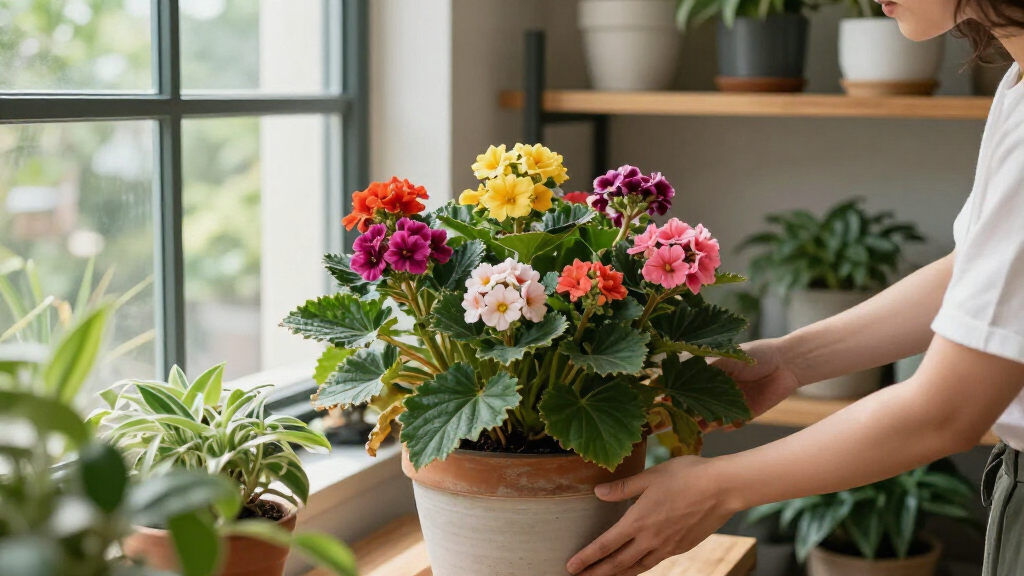
Choosing the best long-blooming perennial plants means finding varieties that deliver vibrant flowers over an extended period, reducing your need for replanting or frequent deadheading. The Coreopsis Ice Wine stands out as an overall favorite thanks to its compact size and consistent blooms, while the Chicago Apache Daylily offers reliable summer color. Other options like Russian Sage and Votaniki Hemerocallis excel through their fragrance and pollinator appeal, respectively. The main challenge lies in balancing bloom duration, maintenance needs, and plant size, which can vary significantly. Continue reading for a detailed breakdown of each option and what makes them suitable for different garden goals.
Complete the kit


Key Takeaways
- Long bloom duration varies, with some plants blooming for over 4 months, making them ideal for continuous color.
- Plant size and growth habit are key—compact varieties suit small gardens, while tall species provide height and impact.
- Maintenance needs differ; some perennials require regular deadheading, while others bloom prolifically with minimal fuss.
- Pollinator friendliness is common among the top picks, adding ecological value to your garden.
- Price and availability can influence your choice, with some plants more cost-effective or easier to source in 2026.


| long-blooming perennial plant | Plant Type |
|---|---|
| Coreopsis Ice Wine Live Plants | Perennial |
| Live Daylily | — |
| Votaniki Hardy Tall Phlox Mix | — |
| Chicago Apache Daylily | Perennial |
| Live Russian Sage | Perennial |
| Live Coreopsis | Perennial |
| Perennial Farm Rudbeckia x ‘Am | Perennial |
| Votaniki Hemerocallis ‘Rosey R | Bare Root |
More Details on Our Top Picks
Coreopsis Ice Wine Live Plants – Compact Perennial Tickseed, Set of 3
This set of Coreopsis Ice Wine stands out for its vivid white and burgundy blooms that last from late spring through fall, making it a reliable choice for those seeking prolonged color. Compared with the Votaniki Hardy Tall Phlox Mix, which offers fragrant, pollinator-attracting blooms, Ice Wine’s visual impact is more immediate and striking. While it requires full sun and well-drained soil, its low-maintenance nature suits gardeners looking for easy-care plants. The main tradeoff is its potential vulnerability in harsh winter zones, which might necessitate protection. Overall, this pick is perfect for garden enthusiasts prioritizing long-lasting, colorful visuals and pollinator appeal.
Pros:- Vivid bicolor blooms add striking visual interest
- Blooms from late spring to fall for extended color
- Low-maintenance and drought-tolerant
Cons:- Requires full sun for optimal growth
- May need winter protection in colder zones
Best for: Gardeners seeking a low-maintenance, long-blooming perennial that adds vibrant color and attracts pollinators
Not ideal for: Gardeners in harsh winter zones without protection options, as the plant may struggle in extreme cold
- Set Includes:3 plants
- Bloom Colors:White with burgundy centers
- Blooming Season:Late spring through fall
- Plant Type:Perennial
- Growth Habit:Compact
- Sunlight:Full sun
- Soil:Well-drained
- Drought Tolerance:Yes
- Pollinator Attraction:Yes
Our verdict“This set is an excellent choice for those wanting vibrant, long-lasting garden color with minimal fuss.”
Live Daylily – Yellow/Orange Blooms, Perennial, 12″ Tall in 2.5 Qt Pot
The Daylily delivers vibrant yellow and orange flowers that reliably bloom each spring and summer, providing a splash of color that lasts for multiple weeks per season. Unlike the Chicago Apache Daylily, which offers bold summer blooms, this variety’s smaller stature—around 12 inches—makes it more suited for containers or small garden beds. Its minimal maintenance needs and adaptability to full sun or partial shade make it appealing for busy gardeners. The tradeoff is that each flower only lasts one day, so frequent deadheading is necessary to maintain continuous flowering. This makes it ideal for those who don’t mind regular upkeep for a sustained display.
Pros:- Vibrant, eye-catching yellow and orange flowers
- Reliable blooming each season
- Easy to grow with minimal care
- Suitable for various light conditions
Cons:- Bloom lasts only one day, requiring deadheading
- Limited to zones 3-9, not ideal for colder climates
Best for: Gardeners wanting reliable, colorful blooms with minimal fuss in small or container gardens
Not ideal for: Gardeners seeking a plant with multi-day blooms or larger size for a statement focal point
- Expected Plant Height:36 inches
- Soil Type:Well draining soil
- Watering Needs:Moderate
- Sunlight Exposure:Full Sun, Partial Sun
- USDA Hardiness Zone:3-9
- Material:Live Plant
- Color:Yellow/Orange
- Style Name:Day Lily
Our verdict“This daylily is perfect for gardeners who value bright, consistent color with straightforward maintenance.”
Votaniki Hardy Tall Phlox Mix – Fragrant Perennial Garden Plants (6 Pack)
This Votaniki Tall Phlox Mix offers fragrant, long-lasting blossoms that add both visual and aromatic appeal, thriving from full sun to partial shade. Compared with the Coreopsis Ice Wine, which excels in color diversity, the Phlox’s key strength is its sweet scent and pollinator attraction. Its tall, upright growth makes it ideal for borders but may require staking in windy areas. While easy to grow and requiring minimal care, it might need seasonal division to maintain vitality, which could be a drawback for low-maintenance gardeners. Overall, this pick is well-suited for those who enjoy fragrant plants that attract pollinators and provide seasonal beauty year after year.
Pros:- Fragrant, attractive blooms that draw pollinators
- Long-lasting flowers for extended enjoyment
- Versatile for borders, beds, or containers
- Easy to grow and low maintenance
Cons:- May require seasonal division for best growth
- Tall stature may need staking in windy areas
Best for: Gardeners seeking fragrant, long-blooming plants that enhance sensory appeal and pollinator visits
Not ideal for: Gardeners who prefer plants with minimal maintenance or shorter stature, as tall growth may need support
- Type:Perennial Garden Plant
- Quantity:6 Pack
- Bloom Fragrance:Sweet and alluring
- Growth Habit:Tall, upright
- Light Requirements:Full sun to partial shade
- Planting Time:Ready to plant (bare root)
Our verdict“This fragrant phlox mix is ideal for gardeners who prioritize aromatic flowers that support pollinators and seasonal garden charm.”
Chicago Apache Daylily – Long Blooming Summer Perennial Plant
The Chicago Apache Daylily provides bold pink petals with a striking red center, delivering vibrant summer color that can last for weeks. Its adaptability to full sun or partial shade makes it flexible for different garden conditions. Compared with the Daylily in B0GZTD5X4L, which offers yellow-orange hues, Chicago Apache’s intense pink and red contrast makes it a standout for adding punch to garden beds. While no specific drawbacks are noted, daylilies generally require minimal care and are highly reliable for continuous summer blooms. This plant is especially suitable for those looking to make a visual statement in borders or landscape focal points during the summer months.
Pros:- Vibrant and eye-catching blooms
- Adaptable to various light conditions
- Versatile for different garden uses
- Reliable summer performer
Cons:- None explicitly specified; generally daylilies are low maintenance
Best for: Gardeners aiming for bold, long-lasting summer color in borders or landscape focal points
Not ideal for: Those seeking plants with multi-season interest or subtle color variations
- Plant Type:Perennial
- Bloom Color:Pink with red center
- Sunlight:Full sun or partial shade
- Use:Garden borders, landscape, groundcover
Our verdict“This daylily is perfect for gardeners wanting a bold, colorful splash in summer landscapes with minimal fuss.”
Live Russian Sage (Perovskia) – Lavender Blue Blooms, Pollinator-Friendly Perennial, 12″ Tall in 2.5 Qt Pot
The Russian Sage features airy lavender-blue flower spikes that bloom from summer into fall, bringing a soft, silvery foliage contrast to garden beds. Compared with the Coreopsis Ice Wine or Daylilies, Russian Sage’s main appeal lies in its drought tolerance and pollinator attraction, making it ideal for low-water gardens. Its mature size can reach 36 inches tall and 30 inches wide, which exceeds the initial 12-inch pot size, so space planning is important. While it thrives in full sun with well-draining soil, neglecting these conditions can impair its health. This plant excels for gardeners who prioritize pollinator support and drought resilience, especially in xeriscape or water-wise landscapes.
Pros:- Attracts bees and butterflies effectively
- Drought-tolerant and low maintenance
- Provides lovely lavender-blue color for extended periods
Cons:- Requires full sun and well-draining soil for best performance
- Mature size can be larger than the initial pot size, requiring space
Best for: Gardeners looking for a drought-tolerant, pollinator-friendly perennial that blooms from summer into fall
Not ideal for: Gardeners with shaded gardens or poor-draining soils, as the plant needs full sun and proper drainage
- Height:12 inches
- Width:6 inches
- Pot Size:2.5 Qt
- Bloom Color:Lavender Blue
- Growth Height:36 inches
- Growth Width:30 inches
- Plant Type:Perennial
Our verdict“This Russian Sage is ideal for gardeners seeking reliable pollinator support and drought resilience with graceful summer to fall blooms.”
Live Coreopsis (2 Pack) – Yellow Blooms, Flowering Perennial, 10″ Tall in 1 Qt Pot
This coreopsis stands out for its cheerful yellow blooms that flourish throughout spring and summer, outlasting many other perennials like the Votaniki Hemerocallis ‘Rosey Returns’ in terms of bloom duration. Its compact 12-inch height makes it ideal for borders or containers, and its drought tolerance adds to its appeal in tough conditions. Compared to the Perennial Farm Rudbeckia, this coreopsis offers a longer bloom season with less fuss, though it demands full sun and well-draining soil to thrive. The need for occasional fertilizing is a minor tradeoff for its resilience and vibrant color. Overall, this pack makes the most sense for gardeners seeking a reliable, cheerful perennial that requires minimal care and provides long-lasting blooms.
Pros:- Bright yellow, cheerful blooms
- Long blooming season from spring through summer
- Drought tolerant once established
- Easy to care for in suitable conditions
Cons:- Requires full sun and well-draining soil
- May need occasional fertilizing to maintain vigor
Best for: Gardeners wanting a cheerful, easy-care perennial that blooms for an extended period and tolerates drought.
Not ideal for: Shade gardeners or those with poorly draining soil, as it needs full sun and well-drained conditions for best performance.
- Quantity:2 Pack
- Bloom Color:Yellow
- Plant Type:Perennial
- Height:12 inches
- Spread:36 inches
- Pot Size:1 Qt
Our verdict“This coreopsis is perfect for gardeners seeking a long-blooming, low-maintenance perennial that adds vibrant color to tough garden spots.”
Perennial Farm Rudbeckia x ‘American Gold Rush’ – Live Perennial Black-Eyed Susan Plant, Size #1 Container, Bright Yellow Flowers
The Rudbeckia x ‘American Gold Rush’ offers stunning, classic black-eyed Susan flowers that bloom from July to September, making it a strong choice for late summer garden displays. Its 22-26 inch height suits mid-border plantings, and it is notably resistant to deer and common diseases like septoria leaf spot, outperforming many other yellow-flowered perennials like the Votaniki Hemerocallis in durability. However, it may be dormant if shipped during the colder months, which can delay its bloom time. Planting 36 inches apart ensures good airflow and growth, but this spacing requirement can be a drawback for smaller gardens. Compared with the Daylily, this Rudbeckia offers a longer, more consistent bloom period and better disease resistance, though it’s less versatile in container planting. This pick is best for gardeners wanting a robust, late-season filler that withstands pests and diseases.
Pros:- Bright yellow flowers with black eyes
- Extended bloom from July to September
- Highly resistant to deer and common diseases
- Suitable for USDA zones 4-9
Cons:- May be dormant if shipped in winter, delaying bloom
- Requires 36-inch spacing, which may not suit small gardens
- Limited shipping to certain states due to regulations
Best for: Gardeners seeking a hardy, late-summer perennial with vibrant yellow flowers and strong disease resistance.
Not ideal for: Those with limited space or who want early-blooming perennials, as it blooms only from mid-summer onward and needs ample spacing.
- Plant Type:Perennial
- Color:Bright yellow with black eyes
- Blooming Season:July to September
- Height:22-26 inches
- USDA Zones:4-9
- Container Size:#1
Our verdict“This Rudbeckia excels as a durable, late-season perennial perfect for adding vibrant color and resilience to sunny borders.”
Votaniki Hemerocallis ‘Rosey Returns’ Daylily – Long Blooming Perennial, Bare Root (2 Pack)
The ‘Rosey Returns’ Daylily makes a compelling choice for gardeners prioritizing consistent, long-lasting blooms with fragrance. Unlike the previously mentioned Rudbeckia, which blooms mainly in late summer, this daylily provides multiple flushes of flowers throughout the season, adding continuous color and scent. Its low-maintenance nature, especially as a bare-root plant, makes it suitable for those who prefer easy-to-grow perennials that perform reliably year after year. While initial establishment may require some care, its versatility in garden beds, borders, or containers makes it adaptable. Compared with the coreopsis, the daylily’s extended blooming period and fragrant flowers offer a more dynamic display, though it may not always bloom as early in cooler climates. This plant is ideal for those seeking perennial color with added scent and butterfly appeal.
Pros:- Reliable, long-lasting, multi-phase blooms
- Fragrant flowers attract butterflies and hummingbirds
- Low maintenance and easy to grow from bare root
- Versatile for garden beds, borders, or containers
Cons:- May need some care initially to establish roots
- Blooming period can vary based on climate
- Limited to garden and container use, not ideal for mass plantings
Best for: Gardeners who want a dependable, fragrant perennial with multiple blooms and minimal fuss over the seasons.
Not ideal for: Gardeners in very cold climates or those who prefer plants with immediate, full display without some initial care.
- Type:Perennial Daylily
- Blooming Season:Long-lasting, multiple blooms
- Plant Type:Bare Root
- Quantity:2 Pack
Our verdict“This daylily offers dependable, fragrant blooms throughout the season, perfect for gardeners seeking continuous color with minimal effort.”
How We Picked
The plants featured in this roundup were evaluated based on bloom longevity, ease of care, adaptability to different garden conditions, and overall plant health and vigor. We prioritized varieties with proven performance across multiple seasons, and those that offer good value for their price. Additionally, we considered aesthetic appeal, pollinator attraction, and whether the plants are suitable for both beginner and experienced gardeners. The ranking reflects a balance between extended flowering, low maintenance, and versatility, ensuring each option serves a specific gardening need while maintaining high quality.| long-blooming perennial plant | Plant Type |
|---|---|
| Coreopsis Ice Wine Live Plants | Perennial |
| Live Daylily | — |
| Votaniki Hardy Tall Phlox Mix | — |
| Chicago Apache Daylily | Perennial |
| Live Russian Sage | Perennial |
| Live Coreopsis | Perennial |
| Perennial Farm Rudbeckia x ‘Am | Perennial |
| Votaniki Hemerocallis ‘Rosey R | Bare Root |
Factors to Consider When Choosing Best Long-blooming Perennial Plants
When selecting the best long-blooming perennial plants, understanding key factors can help you make a smarter choice. Consider your climate zone, the amount of sunlight your garden receives, and how much maintenance you’re willing to perform. Bloom duration is critical, but plants’ growth habits and mature size also influence their suitability for your space. Budget and availability are practical considerations, especially as some varieties may be more expensive or harder to find in certain regions. Knowing these factors helps prevent common mistakes, like overcrowding or selecting plants that won’t thrive in your conditions.Bloom Duration and Timing
Look for plants that promise extended blooming periods, ideally over 4 months, to maximize garden color. Some varieties bloom early in the season and fade quickly, while others re-bloom or have multiple flushes, providing continuous appeal. Consider species known for their resilience and ability to rebloom after deadheading, which can save time and effort. Tailoring your choices to your local growing season ensures you get the longest possible display.
Sunlight and Climate Compatibility
Most long-blooming perennials thrive in full sun, but some can tolerate partial shade. Understanding your garden’s sunlight exposure helps select plants that will perform well without extra fuss. Additionally, check the hardiness zone ratings—plants suited to your climate will be more reliable and require less maintenance. Avoiding plants that are marginally hardy in your area prevents disappointment and early decline.
Size and Growth Habit
Plant size influences both aesthetics and garden planning. Compact varieties like Coreopsis Ice Wine fit smaller spaces, while taller plants like Phlox or Daylilies add vertical interest. Consider the mature size to avoid overcrowding and ensure proper airflow, which reduces disease risk. Also, think about space for spreading—some perennials can become invasive if not managed properly.
Maintenance and Deadheading Needs
Some perennials require regular deadheading to prolong flowering, which might be a deterrent for busy gardeners. Others naturally rebloom or have a long flowering period without intervention. Choosing low-maintenance options can save time and effort, especially for those new to gardening or with limited time. Balance your willingness to perform upkeep with the plant’s bloom performance to find the best fit.
Cost and Availability
Pricing varies widely, with some varieties being more affordable and easier to source at local nurseries or online. Consider the longevity of the plant’s supply—rare or specialty varieties might come at a premium but offer unique garden appeal. Planning ahead and purchasing in the right season can also influence availability and price, helping you get the best value for your investment.
Frequently Asked Questions
How do I ensure my perennial plants bloom for as long as possible?
Providing adequate sunlight, proper watering, and well-drained soil enhances blooming. Deadheading spent flowers encourages reblooming in many varieties, while fertilizing with a balanced, slow-release plant food supports sustained growth. Regular maintenance and removing diseased or damaged foliage also help plants focus energy on flowering, extending their display period.
Can I plant multiple long-blooming perennials together for continuous color?
Yes, mixing species with staggered bloom times or different blooming periods can create a continuous color display throughout the growing season. Selecting plants with similar sunlight and soil needs simplifies care, while varying their mature sizes adds visual interest. Planning for overlapping bloom periods ensures your garden remains vibrant over several months.
Are there any long-blooming perennials suitable for shaded gardens?
While many long-blooming perennials prefer full sun, some, like certain varieties of Phlox and Rudbeckia, can tolerate partial shade. It’s important to check each plant’s specific needs, as too much shade can reduce flowering and overall vigor. In shaded areas, selecting plants with proven shade tolerance ensures better performance and longer-lasting blooms.
How can I prevent my long-blooming perennials from becoming invasive?
Research each plant’s growth habits before planting, as some species, like certain daylilies, can spread aggressively. Installing root barriers or planting in containers helps contain exuberant growth. Regular pruning and dividing overgrown plants also control spread, keeping your garden balanced and healthy without risking invasiveness.
What’s the best way to choose long-blooming perennials for a beginner gardener?
Beginners should focus on low-maintenance, hardy varieties that require minimal deadheading or special care. Plants like coreopsis and rudbeckia tend to be forgiving and reliable, thriving in a range of conditions. Starting with well-adapted, self-sufficient plants reduces frustration and ensures a colorful garden with less effort.
Conclusion
For most gardeners, the Coreopsis Ice Wine offers an excellent balance of long-lasting blooms and easy care, making it the best overall choice. Budget-conscious buyers will appreciate the value of the Live Daylily or Coreopsis packs, which provide reliable color without breaking the bank. Those seeking a premium garden should consider the Votaniki Hemerocallis ‘Rosey Returns’ for its extended flowering and striking appearance. Beginners will find that the Rudbeckia or Daylilies are forgiving options. If ecological value matters, the Russian Sage stands out for its pollinator attraction. Ultimately, your choice depends on your garden size, maintenance willingness, and aesthetic preferences, but the options listed here cater to a broad range of needs and landscapes.