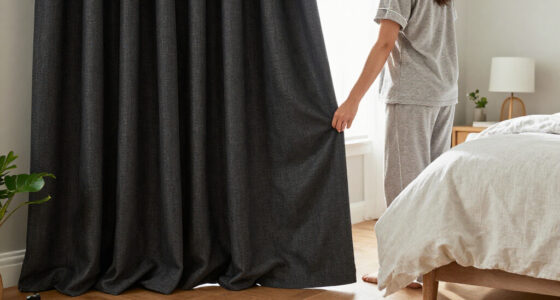
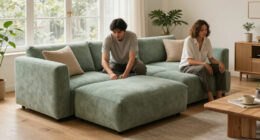
When searching for the best soft architecture home decor, the goal is to find pieces that seamlessly combine aesthetic appeal with tactile comfort. The Soft Minimal by Norm Architects stands out as the top overall choice for its balanced approach to understated elegance and sensory experience. The Harmonious Home offers a nature-inspired feel perfect for creating peaceful retreats, while the Linen Coffee Table Book provides a tactile, decorative accent that elevates any space. In this category, tradeoffs often involve balancing style with practicality—more intricate designs may sacrifice ease of maintenance, while simpler options may lack visual impact. Continue reading for a detailed breakdown of each option to find the best fit for your home aesthetic.

Get furniture and decor delivered free with Prime
- Fast, free delivery on millions of items
- Prime Video, Amazon Music and more included
- Member-only deals all year
Complete the kit


Key Takeaways
- The strongest contenders blend tactile softness with visual harmony, creating spaces that feel inviting and balanced.
- Most top picks incorporate natural textures like linen and organic shapes, emphasizing a sensory experience.
- Price and complexity vary: premium options often offer more durability and refined design, while budget-friendly picks focus on simplicity.
- Design philosophy plays a key role—minimalist, nature-inspired, or luxurious styles appeal to different tastes and needs.
- Versatility is vital; the best decor items can adapt to various interior styles without overwhelming the space.


| soft architecture home decor | Pages | Dimensions | Language | Format |
|---|---|---|---|---|
| Architectural Digest at 100: A | 304 | 9 x 12 inches | English | Hardcover |
| Call It Home: The Details That | 176 | 7.5 x 9 inches | English | Paperback |
| Mountain House: Studies in Ele | 240 | 8.5 x 11 inches | English | Hardcover |
| Soft Minimal: Norm Architects | 192 | 9 x 11 inches | English | Hardcover |
| The Harmonious Home: Designing | 200 | 8 x 10 inches | English | Paperback |
| 150 Best All New House Ideas: | 240 | 9 x 12 inches | English | Hardcover |
| Linen: A Decorative Coffee Tab | 400 | 10 x 12 inches | English | — |
More Details on Our Top Picks
Architectural Digest at 100: A Century of Celebrity Homes, Iconic Designers, and Evolving American Taste
This book stands out as a comprehensive visual history of American interior design, capturing the evolution through archival photographs and expert commentary. Unlike more conceptual books like Soft Minimal, it offers a rich historical perspective that appeals to those fascinated by design trends over time. However, it doesn’t provide practical decor tips or technical details, making it less ideal for homeowners planning immediate updates. Its strength lies in its detailed storytelling and iconic imagery, making it perfect for readers who want to understand the roots of soft architecture in American taste.
Pros:- Rich archival photographs illustrating a century of design
- Insightful commentary from industry experts
- Broad coverage of iconic homes and designers
Cons:- No practical or technical decor details included
- Limited appeal for those seeking hands-on decorating tips
Best for: Design historians, interior design students, and enthusiasts seeking a historical perspective on American decor
Not ideal for: Homeowners looking for practical decor advice or step-by-step project guidance
- Publication Year:2023
- Pages:304
- Format:Hardcover
- Dimensions:9 x 12 inches
- Weight:3.2 lbs
- Language:English
Our verdict“This book is ideal for those interested in the historical evolution of soft architecture and American taste, rather than immediate decor solutions.”
Call It Home: The Details That Matter
This book makes the most sense for homeowners who want to add a personal touch to their spaces, emphasizing details that create warmth and character. Compared with Soft Minimal, which focuses on sensory minimalism, Call It Home offers practical tips for customizing and enhancing your environment through small but impactful decor choices. Its lack of technical specs or detailed instructions limits its usefulness for complex renovation projects, but it shines as a source of inspiration for those seeking to elevate their home’s personality. This pick is perfect for DIYers who value personalization over technical precision.
Pros:- Practical tips for home personalization
- Highlights the importance of small details in creating a welcoming environment
- Accessible language suitable for amateurs
Cons:- Lacks detailed technical specifications
- No customer reviews or ratings to validate effectiveness
Best for: Homeowners and interior enthusiasts eager to personalize their living spaces with meaningful details
Not ideal for: Professional decorators or those seeking technical design data and comprehensive plans
- Pages:176
- Format:Paperback
- Dimensions:7.5 x 9 inches
- Language:English
- Publisher:Penguin Life
- Publication Year:2022
Our verdict“This book is perfect for DIYers and homeowners focused on adding meaningful, personal touches to their interiors.”
Mountain House: Studies in Elevated Design
This book is more suited to those interested in the theoretical and conceptual aspects of elevated architectural design, rather than practical decor application. Unlike Soft Minimal, which emphasizes sensory experience, Mountain House provides in-depth analysis of design principles applied to modern structures, making it invaluable for architects and design students. Its focus on concepts without detailed technical specs makes it less relevant for homeowners seeking immediate decor ideas. It excels at expanding understanding of elevated design trends but isn’t a step-by-step guide for soft architecture decor projects.
Pros:- In-depth analysis of elevated architectural concepts
- Excellent illustrations of modern design examples
- Provides a broad understanding of contemporary architectural trends
Cons:- Limited technical specifications or implementation details
- Focused on theory rather than practical decor advice
Best for: Architects, architecture students, and serious design enthusiasts interested in conceptual design
Not ideal for: Homeowners seeking practical decorating tips or detailed implementation guidance
- Pages:240
- Format:Hardcover
- Dimensions:8.5 x 11 inches
- Weight:4.1 lbs
- Language:English
- Publisher:Architectural Press
Our verdict“This book serves as a valuable resource for professionals and students exploring elevated design concepts, not for casual decorating projects.”
Soft Minimal: Norm Architects – A Sensory Approach to Architecture and Design
This book excels at exploring the sensory and emotional aspects of minimalistic architecture, with a focus on the work of Norm Architects. Compared to Call It Home, which emphasizes personal details, Soft Minimal dives into the philosophy behind sensory-driven spaces, making it ideal for those interested in the emotional experience of decor. Its lack of technical specifications and practical application limits its usefulness for hands-on decorators, but for fans of sensory minimalism, it offers profound insights. This pick is best for readers wanting to understand the emotional impact of soft architecture.
Pros:- Deep insights into sensory and minimalistic design principles
- Focuses on emotional and experiential aspects of architecture
- Showcases inspiring work by Norm Architects
Cons:- No detailed technical or practical specifications
- Limited applicability for direct decor implementation
Best for: Minimalist design enthusiasts and those interested in sensory architecture
Not ideal for: Homeowners seeking step-by-step decorating guidance or technical details
- Pages:192
- Format:Hardcover
- Dimensions:9 x 11 inches
- Weight:2.8 lbs
- Language:English
- Publisher:Lund Humphries
Our verdict“This book is perfect for fans of sensory minimalism and emotional architecture, not for those seeking practical decor instructions.”
The Harmonious Home: Designing Peaceful, Personal Spaces Inspired by Nature
This book makes a compelling case for creating peaceful, nature-inspired homes through practical tips and aesthetic ideas. It’s ideal for those who want to foster harmony and relaxation in their living spaces, unlike Mountain House, which emphasizes elevated design principles for professionals. While it offers many inspiring concepts, it lacks detailed step-by-step instructions, making it less suitable for those planning technical renovations. Its strength lies in its calming, approachable guidance for designing personal sanctuaries rooted in natural inspiration.
Pros:- Practical tips for creating peaceful, relaxing environments
- Inspires with nature-inspired ideas and themes
- Focuses on personal and emotional well-being in design
Cons:- Lacks detailed, step-by-step instructions for implementation
- No specific technical features or specifications
Best for: Homeowners seeking to cultivate tranquility and harmony through decor inspired by nature
Not ideal for: Design professionals or decorators looking for technical plans or detailed execution strategies
- Pages:200
- Format:Paperback
- Dimensions:8 x 10 inches
- Language:English
- Publisher:Harper Design
- Publication Year:2023
Our verdict“This book is ideal for homeowners who want to infuse their spaces with natural tranquility rather than technical design details.”
150 Best All New House Ideas: A Visual Guide to Contemporary Sustainable Architecture and Innovative Interior Design
This book stands out for its stunning visual presentation of modern, sustainable architecture that emphasizes innovative interior solutions. Unlike the more tactile approach of the Linen coffee table book, which offers physical texture and decorative appeal, this guide provides a rich collection of ideas and concepts that inspire larger-scale design thinking. It’s ideal for those seeking a broad overview of contemporary architecture and eco-friendly interiors, but it lacks technical details or actionable plans, making it less useful for practical implementation. The emphasis on visual storytelling makes it perfect for interior designers or homeowners dreaming of conceptual upgrades, though it doesn’t serve as a hands-on resource.
Pros:- Inspiring visual ideas for modern sustainable homes
- Comprehensive collection of innovative interior concepts
- Excellent for conceptual design and style inspiration
Cons:- Lacks detailed specifications or technical information
- Limited practical guidance for implementation
- Primarily visual, which may not satisfy those seeking actionable plans
Best for: Designers and homeowners looking for big-picture inspiration and innovative ideas for sustainable homes
Not ideal for: Practical DIYers or those seeking step-by-step guidance, as it offers limited technical or implementation details
- Format:Hardcover
- Pages:240
- Publication Year:2023
- Language:English
- Dimensions:9 x 12 inches
- Illustrations:Color images
Our verdict“This book is best for creative professionals and homeowners who want a vivid visual guide to contemporary, eco-friendly architecture rather than a technical manual.”
Linen: A Decorative Coffee Table Book with Soft Natural Linen Texture
This hardcover book excels in adding tactile elegance to any living space, thanks to its soft natural linen texture that visually and physically elevates decor. Compared to the more conceptual nature of the 150 Best All New House Ideas, which offers ideas but little physical appeal, this book provides a sensory experience that complements styles like Japandi and coastal by emphasizing subtlety and texture. Its high-quality hardcover and generous 400 pages make it a durable and stylish addition to a coffee table or bookshelf. However, it falls short on content specifics and doesn’t reveal much about the interior styles it covers, making it less suited for those wanting in-depth design guidance or technical insights.
Pros:- Elegant natural linen texture adds tactile interest
- Suitable for multiple interior styles like Japandi and coastal
- High-quality hardcover with a substantial 400 pages
Cons:- Limited content details or style explanations
- No information on specific interior themes or technical guidance
- Dimensions and size are not specified, which may affect placement choices
Best for: Homeowners and interior enthusiasts seeking a tactile, decorative piece that enhances aesthetic appeal
Not ideal for: Design professionals or serious DIYers looking for detailed styling advice or technical content, as it’s mainly decorative
- Material:Hardcover with linen texture
- Pages:400
- Dimensions:10 x 12 inches
- Weight:3.2 pounds
- Cover Color:Natural linen
- Language:English
Our verdict“This book makes the most sense for those seeking a beautiful, textured accent piece that subtly elevates minimalist or coastal interiors rather than a comprehensive design resource.”

How We Picked
Our evaluation focused on how well each item integrates into a soft architecture aesthetic—prioritizing tactile quality, visual harmony, and sensory appeal. We considered durability, ease of maintenance, and how each piece complements contemporary or natural-inspired interiors. Value was assessed by balancing price with design impact, ensuring options suit a range of budgets without sacrificing style. The rankings reflect a combination of aesthetic versatility, material quality, and the ability to create a calming, cohesive environment. Items that exemplify thoughtful craftsmanship and sensory richness earned higher scores, helping buyers find options that enhance their living spaces sustainably and beautifully.| soft architecture home decor | Format | Publisher |
|---|---|---|
| Architectural Digest at 100: A | Hardcover | — |
| Call It Home: The Details That | Paperback | Penguin Life |
| Mountain House: Studies in Ele | Hardcover | Architectural Press |
| Soft Minimal: Norm Architects | Hardcover | Lund Humphries |
| The Harmonious Home: Designing | Paperback | Harper Design |
| 150 Best All New House Ideas: | Hardcover | — |
| Linen: A Decorative Coffee Tab | — | — |
Factors to Consider When Choosing Best Soft Architecture Home Decor
Choosing the best soft architecture home decor involves more than just aesthetics. You should consider how textures, materials, and shapes influence the overall feel of your space. Comfort, durability, and ease of integration are key factors that ensure your decor remains both beautiful and functional over time. Being aware of common pitfalls—such as choosing overly delicate pieces or incompatible styles—can help you make smarter investments. The following sections highlight important considerations to guide your selections, balancing style with practical needs.Material and Texture
Focus on natural, tactile materials like linen, wool, or soft wood finishes that add warmth and sensory richness. These textures should feel inviting and complement your existing decor. Beware of synthetic or overly fragile fabrics that may not withstand daily use, especially in high-traffic areas. Well-chosen textures can create depth and softness, making your space feel more lived-in and harmonious. Consider how different materials age and whether they require special care to maintain their appeal over time.
Design Style and Cohesion
Align your decor choices with your overall interior style—be it minimalist, organic, or eclectic—to create a cohesive look. Soft architecture emphasizes harmony, so opt for pieces that echo your aesthetic’s core principles. Overly ornate or contrasting elements can disrupt visual flow, reducing the calming effect. Balance bold statement pieces with subtler accents to maintain a unified, serene environment. Think about how each item interacts with your existing furniture and color palette for a seamless integration.
Functionality and Practicality
While aesthetics are important, consider how your decor supports daily living. Items should be easy to clean, move, and maintain, especially if you have children or pets. Multifunctional designs, like soft storage or versatile textiles, add practicality without compromising style. Avoid overly delicate or complex pieces that require special care, as they can quickly become impractical in everyday use. Prioritize durability alongside beauty to ensure your decor remains appealing over time.
Budget and Quality
Investing in quality materials often pays off in the longevity and tactile satisfaction of your decor. However, high price doesn’t always guarantee better design—look for craftsmanship and material authenticity to assess value. Budget-friendly options can still offer excellent softness and style if chosen carefully, such as natural linen or handcrafted textiles. Be wary of very cheap pieces that might compromise durability or aesthetic integrity. Finding a balance between cost and quality helps you create a sustainable, beautiful environment without overspending.
Sustainability and Ethical Production
Eco-conscious choices are increasingly important in soft decor because they impact the overall health of your home and the environment. Look for brands that prioritize sustainable sourcing, natural fibers, and ethical labor practices. These choices often result in higher-quality, softer materials that age gracefully. Be cautious of fast-fashion or mass-produced items that may cut corners on sustainability or craftsmanship. Sustainable decor not only feels better to touch but also aligns with a holistic, responsible lifestyle.
Frequently Asked Questions
How do I choose soft decor that complements my existing style?
To ensure your soft decor complements your current interior, start by identifying your overall style—whether minimal, rustic, or bohemian—and select textures and shapes that echo this aesthetic. For example, if your decor is modern, opt for sleek linen cushions or understated soft sculptures. If your style leans toward organic warmth, natural fibers and irregular shapes work well. Consistency in color palette and material harmony helps create a cohesive look, making your space feel thoughtfully curated rather than random.
Are natural materials like linen and wool durable enough for everyday use?
Yes, natural materials such as linen and wool are quite durable when properly cared for. Linen, in particular, becomes softer and more comfortable over time and resists pilling. Wool offers excellent resilience and warmth, making it suitable for cushions, throws, and rugs. The key is to choose high-quality pieces and follow care instructions to prevent damage. This approach ensures your decor maintains its softness and elegance, even with regular use.
What should I avoid when selecting soft architecture decor for a busy household?
Avoid overly delicate or fragile pieces that can easily stain or tear, such as fine silk or intricate textiles. Similarly, steer clear of items with complex shapes that trap dust or are difficult to clean. Instead, prioritize sturdy, machine-washable fabrics and simple forms that can withstand daily wear. Choosing items with neutral, versatile colors also helps prevent visual clutter and makes maintenance easier, ensuring your decor remains fresh and inviting without constant fuss.
How can I incorporate soft architecture decor into a small space without it feeling cluttered?
In small spaces, focus on minimalist, multifunctional pieces that add softness without overwhelming the room. Use light colors and natural textures to create an airy feel, and limit the number of large or bulky items. Incorporating soft textiles like cushions or throws on existing furniture can add warmth without taking up extra space. Carefully selecting a few statement pieces that emphasize harmony and simplicity helps maintain a calm, spacious atmosphere.
Is it worth investing in premium soft decor, or are budget options sufficient?
Investing in premium soft decor can offer better materials, craftsmanship, and longevity, which often results in a more satisfying sensory experience. Higher-quality pieces tend to age gracefully, maintaining their softness and appearance over time. However, budget options can be suitable if you prioritize temporary or seasonal updates, or if you carefully select items made from natural fibers. Ultimately, balancing quality with your personal needs and budget will yield the best long-term results for your home environment.