
For readers interested in exploring the Soviet era through literature, selecting the best books can be overwhelming. The top pick, Life and Fate, stands out for its sweeping narrative and literary depth, offering a compelling view of Soviet life. A Day in the Life of the Soviet Union provides a vivid snapshot of daily existence, while Gulag: A History offers a meticulous historical account. Each of these books balances storytelling with historical accuracy, but tradeoffs include accessibility and focus. Continue reading for a detailed breakdown of these top choices and what makes each unique.

Get furniture and decor delivered free with Prime
- Fast, free delivery on millions of items
- Prime Video, Amazon Music and more included
- Member-only deals all year
Key Takeaways
- The top books combine strong narrative storytelling with historical insight, making them engaging yet educational.
- Many standout titles focus on personal stories or specific aspects of Soviet life, highlighting the era’s complexity.
- Price and edition quality vary widely; classic titles like ‘Life and Fate’ tend to be more expensive but offer lasting value.
- Some books are better suited for casual readers, while others serve as comprehensive academic resources.
- The best selections balance readability, depth, and historical accuracy, catering to different levels of familiarity with the topic.
| Life and Fate (New York Review Books Classics) |  | Best Overall – Profound exploration of human resilience during wartime | Edition: New York Review Books Classics | VIEW LATEST PRICE | See Our Full Breakdown | ||
| A Day in the Life of the Soviet Union |  | Best for Beginners – Accessible insight into Soviet daily life | Topic: Soviet daily life | VIEW LATEST PRICE | See Our Full Breakdown | ||
| A People’s Tragedy: The Russian Revolution 1891-1924 |  | Best for History Buffs – Detailed account of revolutionary upheaval | Coverage: 1891-1924 | VIEW LATEST PRICE | See Our Full Breakdown | ||
| The Fatal Eggs and Other Soviet Satire (Evergreen Book) |  | Best for Enthusiasts of Satire – Humorous critique of Soviet society | Genre: Soviet satire | VIEW LATEST PRICE | See Our Full Breakdown | ||
| Stalin: The Court of the Red Tsar |  | Best for Biographical Enthusiasts – In-depth look at Stalin’s leadership | Focus: Stalin’s leadership and court | VIEW LATEST PRICE | See Our Full Breakdown | ||
| One Day in the Life of Ivan Denisovich |  | Best for Insightful, Personal Accounts of Soviet Oppression | Author: Aleksandr Solzhenitsyn | Genre: Historical Fiction | Page Count: 192 pages | VIEW LATEST PRICE | See Our Full Breakdown |
| Greatest Russian Short Stories [Deluxe Edition] | ” image=”https://m.media-amazon.com/images/I/513SpKRqryL._SX342_SY445_FMwebp_.jpg” link=”0″] | Best for Classic Russian Literature Enthusiasts | Author: Various Russian Authors | Genre: Short Stories / Russian Literature | Pages: 480 pages | VIEW LATEST PRICE | See Our Full Breakdown |
| Lenin’s Tomb: The Last Days of the Soviet Empire |  | Best for In-Depth Political and Historical Analysis | Author: Stephen Kotkin | Genre: History / Political Science | Pages: 480 pages | VIEW LATEST PRICE | See Our Full Breakdown |
| Gulag: A History | 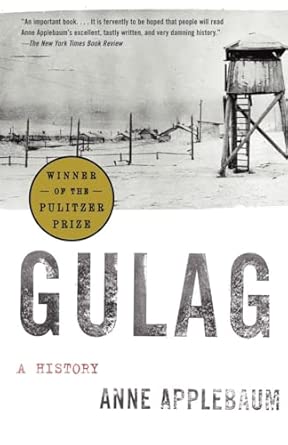 | Best for Exhaustive, Academic-Level Understanding | Author: Anne Applebaum | Genre: History / Political Science | Pages: 592 pages | VIEW LATEST PRICE | See Our Full Breakdown |
| Former People: The Final Days of the Russian Aristocracy | 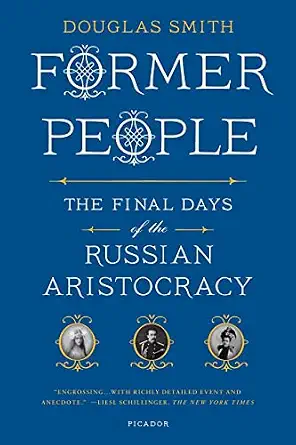 | Best for In-Depth Social and Political History of Nobility | Author: Stephen Kotkin | Genre: History / Social History | Pages: 384 pages | VIEW LATEST PRICE | See Our Full Breakdown |
| Secondhand Time: The Last of the Soviets |  | Best for Personal Narratives and Cultural Insights | Author: Vladimir Pozner | Publication Year: 2016 | Format: Hardcover, 368 pages | VIEW LATEST PRICE | See Our Full Breakdown |
| The Gulag Archipelago Volume 1: An Experiment in Literary Investigation |  | Best for In-Depth Historical and Analytical Readers | Author: Aleksandr Solzhenitsyn | Publication Year: 1973 | Format: Paperback, 736 pages | VIEW LATEST PRICE | See Our Full Breakdown |
| soviet-era book | Genre | Author | Language | Format |
|---|---|---|---|---|
| Life and Fate | — | — | — | — |
| A Day in the Life of the Sovie | — | — | — | — |
| A People’s Tragedy: The Russia | — | — | — | — |
| The Fatal Eggs and Other Sovie | Soviet satire | — | — | — |
| Stalin: The Court of the Red T | — | — | — | — |
| One Day in the Life of Ivan De | Historical Fiction | Aleksandr Solzhenitsyn | English | Paperback |
| Greatest Russian Short Stories | Short Stories / Russian Literature | Various Russian Authors | English | Hardcover |
| Lenin’s Tomb: The Last Days of | History / Political Science | Stephen Kotkin | English | Paperback |
| Gulag: A History | History / Political Science | Anne Applebaum | English | Hardcover |
| Former People: The Final Days | History / Social History | Stephen Kotkin | English | Hardcover |
| Secondhand Time: The Last of t | Memoir, Sociology | Vladimir Pozner | English | Hardcover, 368 pages |
| The Gulag Archipelago Volume 1 | History, Memoir | Aleksandr Solzhenitsyn | English | Paperback, 736 pages |
More Details on Our Top Picks
Life and Fate (New York Review Books Classics)
As a cornerstone of Soviet-era literature, Life and Fate stands out for its deep philosophical insights and complex characters, surpassing many contemporaries like The Gulag Archipelago in emotional depth. This edition is thoughtfully edited with high-quality printing, making it a pleasure to engage with for dedicated readers. Its length and dense themes may challenge casual readers, but those seeking a comprehensive, immersive experience will find it rewarding. Compared to more straightforward narratives, this novel demands focus but offers profound reflections on morality and resilience amid chaos.
Pros:- Deeply insightful and thought-provoking
- High-quality, well-edited edition
- Rich character development and moral complexity
Cons:- May be lengthy for casual readers
- Requires focus due to complex themes
Best for: Readers who want a substantial, thought-provoking novel that captures the moral complexities of wartime Soviet society
Not ideal for: Casual readers or those preferring lighter, shorter books with less dense themes
- Edition:New York Review Books Classics
Our verdict“This book is ideal for those seeking a richly layered, intellectually demanding Soviet classic.”
A Day in the Life of the Soviet Union
This book provides a vivid, detailed look into everyday life in the Soviet Union, making it a good starting point for readers new to Soviet history. Unlike A People’s Tragedy, which offers an extensive political analysis, this volume focuses on personal stories and routine experiences, making it more approachable. Its lack of multimedia content or broader analysis might disappoint readers seeking in-depth political context, but for those interested in daily life, it offers engaging, authentic snapshots. This pick is especially suited for history enthusiasts who prefer personal narratives over dense analysis.
Pros:- Provides detailed insights into Soviet daily life
- Rich in personal stories and cultural details
- Engaging for history enthusiasts
Cons:- No multimedia content or supplementary materials
- Limited broader historical or political analysis
Best for: Beginners or casual readers interested in personal stories and cultural insights into Soviet life
Not ideal for: Advanced scholars seeking comprehensive political analysis or in-depth historical critique
- Topic:Soviet daily life
Our verdict“This book makes the most sense for newcomers wanting an accessible, vivid portrait of Soviet daily routines.”
A People’s Tragedy: The Russian Revolution 1891-1924
Compared with Gulag or Lenin’s Tomb, which focus on specific aspects of Soviet history, A People’s Tragedy offers a sweeping, detailed narrative of the Russian Revolution, emphasizing social upheavals and political chaos. Its thorough research and extensive analysis make it a dense but rewarding read, ideal for those willing to delve deeply into the causes and consequences of revolutionary change. Casual readers might find it too dense, but history enthusiasts will appreciate its comprehensive scope and nuanced perspective on this pivotal period.
Pros:- Comprehensive historical analysis
- Well-researched and detailed
- Provides nuanced insights into revolution dynamics
Cons:- May be too dense for casual readers
- Lacks concise summaries for quick understanding
Best for: History aficionados looking for a comprehensive, detailed account of the Russian Revolution
Not ideal for: Readers seeking a quick overview or lighter historical summaries
- Coverage:1891-1924
Our verdict“This book is perfect for serious students of Russian history who want an in-depth, detailed account of the revolution.”
The Fatal Eggs and Other Soviet Satire (Evergreen Book)
This collection offers sharp, humorous stories like The Fatal Eggs, providing satirical insights into Soviet science and politics. Compared with serious historical works like Stalin: The Court of the Red Tsar, these stories deliver a lighter, more humorous critique that can appeal to readers with some background knowledge of Soviet history. The lack of detailed commentary or context might limit appreciation for newcomers, but fans of satire will enjoy the wit and irony embedded in these stories. It’s a good pick for those wanting a break from traditional history books with a humorous edge.
Pros:- Insightful satire of Soviet society
- Engaging and humorous stories
- Includes multiple works in one volume
Cons:- Lacks detailed description or historical context
- May require familiarity with Soviet history for full appreciation
Best for: Readers interested in satirical takes and humorous perspectives on Soviet society
Not ideal for: Readers seeking comprehensive biographies or detailed political histories
- Genre:Soviet satire
Our verdict“This collection is ideal for satire lovers and those wanting a humorous take on Soviet themes.”
Stalin: The Court of the Red Tsar
This biography offers a detailed, comprehensive portrait of Joseph Stalin, exploring his rise, rule, and inner circle in great depth. Compared with Life and Fate, which emphasizes moral complexity and human resilience, this book zeroes in on political strategies and court intrigue, providing a different perspective on Soviet leadership. Its detailed analysis is perfect for readers who want a thorough understanding of Stalin’s political machinations but may feel lacking in narrative flair or broader historical context. The absence of a summary or reviews makes it less approachable for casual readers seeking quick insights.
Pros:- Comprehensive historical analysis
- Well-researched and detailed
- Provides deep insights into Stalin’s leadership style
Cons:- Lacks a summary or overview in the description
- No customer reviews or ratings available
Best for: History buffs and biographers seeking a detailed, scholarly account of Stalin’s inner circle
Not ideal for: Casual readers or those seeking narrative-based storytelling about Soviet history
- Focus:Stalin’s leadership and court
Our verdict“This biography is best suited for serious readers wanting a scholarly, detailed view of Stalin’s rule.”
One Day in the Life of Ivan Denisovich
This novel stands out for its stark, unflinching portrayal of life inside a Soviet labor camp, offering a visceral glimpse into survival amid oppression. Compared with Gulag: A History, which provides a broader historical context, Solzhenitsyn’s work emphasizes personal resilience and daily struggles, making it more immediate and emotionally compelling. However, its focus on one day limits the depth of character development, and some readers may find the intensity overwhelming. This pick is ideal for those seeking a powerful, firsthand narrative rather than a comprehensive history.
Pros:- Provides an insightful, visceral depiction of Soviet labor camp life
- Thought-provoking and well-crafted narrative
- Short and accessible, perfect for a quick but impactful read
Cons:- Lacks detailed character development, limiting emotional depth
- May be too intense or distressing for sensitive readers
Best for: Readers interested in personal stories that illuminate the human side of Soviet repression
Not ideal for: Casual readers or those seeking detailed historical analysis of the Gulag system
- Author:Aleksandr Solzhenitsyn
- Genre:Historical Fiction
- Page Count:192 pages
- Publication Year:1962
- Language:English
- Format:Paperback
Our verdict“This book is best suited for those who want a vivid, personal account of Soviet imprisonment rather than a broad historical overview.”
Greatest Russian Short Stories [Deluxe Edition]
” image=”https://m.media-amazon.com/images/I/513SpKRqryL._SX342_SY445_FMwebp_.jpg” link=”0″]Best for Classic Russian Literature Enthusiasts
View Latest PriceThis collection is ideal for readers who want a curated selection of iconic Russian short stories, distinguished by its high-quality presentation. Unlike One Day in the Life of Ivan Denisovich, which focuses on a single, intense narrative, this edition offers a broad spectrum of themes and voices from Russian masters like Chekhov and Pushkin, perfect for those exploring Russian literary heritage. However, the lack of detailed content descriptions may leave some unsure about the specific stories included, and it’s less suited for casual readers unfamiliar with Russian literature.
Pros:- Includes a well-curated selection of classic Russian stories
- Deluxe edition boasts high-quality printing and binding
- Great for readers who appreciate literary craftsmanship and cultural context
Cons:- Limited to fans of Russian literature; not ideal for general readers
- Lacks detailed content summaries, which could help first-time readers
Best for: Literature lovers seeking a comprehensive sampler of classic Russian short fiction
Not ideal for: Newcomers to Russian literature or readers seeking in-depth historical analysis
- Author:Various Russian Authors
- Genre:Short Stories / Russian Literature
- Pages:480 pages
- Edition:Deluxe
- Language:English
- Format:Hardcover
Our verdict“This collection is best for seasoned readers wanting a high-quality, curated selection of Russian short stories.”
Lenin’s Tomb: The Last Days of the Soviet Empire
This Pulitzer Prize-winning work offers a detailed account of the Soviet Union’s final years, combining political analysis with investigative journalism. Compared with The Gulag Archipelago Volume 1, which focuses on repression and forced labor, Lenin’s Tomb zeroes in on the political collapse and societal upheavals, making it a must-have for history buffs. The book’s thorough research and narrative style make complex events accessible, but it does lack recent developments in post-Soviet Russia, which may limit its current relevance. It suits readers seeking a comprehensive political history rather than a personal or social perspective.
Pros:- Provides a comprehensive, well-researched analysis of Soviet decline
- Engaging narrative that simplifies complex political events
- Winner of prestigious journalism awards
Cons:- Lacks updates on post-Soviet developments, limiting its current scope
- Some may find the detailed political analysis dense or dry
Best for: History enthusiasts interested in the political decline of the Soviet Union
Not ideal for: Casual readers or those looking for personal stories from Soviet era
- Author:Stephen Kotkin
- Genre:History / Political Science
- Pages:480 pages
- Publication Year:1995
- Language:English
- Format:Paperback
Our verdict“This book is perfect for readers wanting an in-depth, journalistic account of the Soviet Union’s final years.”
Gulag: A History
This Pulitzer Prize-winning volume provides a detailed, comprehensive history of the Soviet Gulag system, surpassing One Day in the Life of Ivan Denisovich in scope and depth. While Solzhenitsyn’s narrative offers a compelling personal view, Gulag: A History digs into the political, social, and human dimensions with extensive research, making it ideal for serious students and scholars. The dense prose and lack of visual aids can be daunting for casual readers, but its meticulous detail makes it a definitive resource for understanding the scope and impact of the camps. It’s best for those prepared for a scholarly, in-depth read.
Pros:- In-depth, thoroughly researched historical analysis
- Provides a comprehensive, detailed account of the Gulag
- Widely regarded as the definitive scholarly resource
Cons:- Dense and complex language may deter casual readers
- Lacks visual aids or personal stories, which could enhance engagement
Best for: History scholars or serious readers seeking a thorough, detailed history of the Gulag system
Not ideal for: Casual readers or those looking for lighter, more narrative-driven accounts
- Author:Anne Applebaum
- Genre:History / Political Science
- Pages:592 pages
- Publication Year:2003
- Language:English
- Format:Hardcover
Our verdict“This book is best suited for serious students, historians, or those seeking a definitive, scholarly history of the Gulag system.”
Former People: The Final Days of the Russian Aristocracy
This detailed account of Russia’s aristocracy during revolutionary upheaval makes it stand out from broader political histories like Lenin’s Tomb by focusing on the social and personal dimensions of the nobility’s decline. It offers rich insights into the final days of the Russian aristocracy, supported by thorough research. However, the lack of visual material and the dense narrative may make it challenging for casual readers or those expecting a more personal or anecdotal approach. It’s an excellent choice for those interested specifically in the social fabric of pre-revolutionary Russia and its aristocracy’s downfall.
Pros:- Provides detailed, well-researched insights into the aristocracy’s decline
- Engaging narrative about a pivotal historical period
- Deeply explores social and political upheaval
Cons:- Lacks visual aids and photographs, which could aid understanding
- May be dense for casual or less specialized readers
Best for: Readers seeking a nuanced, detailed social history of the Russian nobility’s collapse
Not ideal for: Readers looking for personal stories or a lighter historical overview
- Author:Stephen Kotkin
- Genre:History / Social History
- Pages:384 pages
- Publication Year:2011
- Language:English
- Format:Hardcover
Our verdict“This book is ideal for readers who want a thorough, nuanced social history of the Russian aristocracy’s final days.”
Secondhand Time: The Last of the Soviets
Secondhand Time stands out for its compelling collection of personal stories that vividly depict life in post-Soviet Russia, making it ideal for those interested in societal transformation through individual experiences. Unlike The Gulag Archipelago Volume 1, which offers a detailed institutional history, this book emphasizes personal narratives and cultural shifts, providing a more accessible entry point into the post-Soviet era. However, its narrative style can feel dense for casual readers and may require patience to fully appreciate the depth of the stories. This pick is perfect for readers seeking an emotional connection to history rather than a strictly academic account.
Pros:- Provides in-depth, personal perspectives on post-Soviet society
- Well-written, engaging narratives that draw emotional connections
- Offers valuable cultural and societal insights through diverse voices
Cons:- Content can be dense and challenging for casual readers
- Focus is limited to post-Soviet Russia, less on broader Soviet history
Best for: Readers interested in personal stories and societal change in Russia after the Soviet Union’s fall, especially those new to the topic
Not ideal for: Readers seeking a comprehensive, detailed history of Soviet institutions or labor camps, who may find this too narrative-driven and less analytical
- Author:Vladimir Pozner
- Publication Year:2016
- Format:Hardcover, 368 pages
- Language:English
- ISBN:0399588809
- Genre:Memoir, Sociology
- Audience:General readers interested in Russian history
Our verdict“This book is best suited for those looking to understand the human side of Russia’s transition after the Soviet era through compelling stories.”
The Gulag Archipelago Volume 1: An Experiment in Literary Investigation
The Gulag Archipelago Volume 1 offers a dense, detailed investigation into the Soviet labor camp system, making it essential for readers seeking a rigorous historical account. Compared with Secondhand Time, which centers on personal stories, this volume provides a comprehensive, analytical exploration of the bureaucratic machinery behind the Gulag and its societal implications. Its detailed descriptions, while enlightening, can be overwhelming and challenging for those unfamiliar with Soviet history, especially given the graphic content. This book is best for readers prepared for a demanding but profoundly insightful study of Soviet repression.
Pros:- Provides a comprehensive historical account of the Gulag system
- Insightful analysis of Soviet bureaucracy and repression
- Written by Aleksandr Solzhenitsyn, renowned for his investigative rigor
- Includes detailed testimonies and archival research
Cons:- Dense and challenging to read for beginners
- Contains graphic, disturbing descriptions that might be upsetting
- Requires prior knowledge of Soviet history for full comprehension
Best for: History enthusiasts and scholars wanting a thorough, detailed analysis of the Soviet labor camp system
Not ideal for: Casual readers or those new to Soviet history who may find the density and graphic descriptions too taxing
- Author:Aleksandr Solzhenitsyn
- Publication Year:1973
- Format:Paperback, 736 pages
- Language:English
- ISBN:0061253715
- Genre:History, Memoir
- Audience:Scholars, serious history readers
Our verdict“This volume is ideal for serious students of Soviet history seeking an in-depth, detailed examination of the Gulag system, despite its demanding nature.”

How We Picked
The books included in this roundup were evaluated based on several key criteria: historical accuracy, literary quality, accessibility for new readers, and overall influence on understanding the Soviet era. We prioritized works that offer unique perspectives—whether through personal stories, comprehensive histories, or literary masterpieces. Editions and publication quality were also considered, as well as the enduring relevance of each title. The ranking reflects a balance between scholarly importance and readability, ensuring that each pick serves a specific reader need while maintaining high standards of content and presentation.| soviet-era book | Author | Format |
|---|---|---|
| Life and Fate | — | — |
| A Day in the Life of the Sovie | — | — |
| A People’s Tragedy: The Russia | — | — |
| The Fatal Eggs and Other Sovie | — | — |
| Stalin: The Court of the Red T | — | — |
| One Day in the Life of Ivan De | Aleksandr Solzhenitsyn | Paperback |
| Greatest Russian Short Stories | Various Russian Authors | Hardcover |
| Lenin’s Tomb: The Last Days of | Stephen Kotkin | Paperback |
| Gulag: A History | Anne Applebaum | Hardcover |
| Former People: The Final Days | Stephen Kotkin | Hardcover |
| Secondhand Time: The Last of t | Vladimir Pozner | Hardcover, 368 pages |
| The Gulag Archipelago Volume 1 | Aleksandr Solzhenitsyn | Paperback, 736 pages |
Factors to Consider When Choosing Best Soviet-era Books
Choosing the best Soviet-era book depends on what you want to gain from your reading. Are you seeking a comprehensive history, a personal narrative, or literary excellence? Understanding key factors can help you select a book that matches your interests and reading level, avoiding common pitfalls like choosing overly specialized academic texts if you prefer accessible storytelling. Here are some important considerations:Purpose and Focus
Decide whether you want a broad overview of Soviet history, a focus on specific events like the Russian Revolution or the Gulag, or literary works capturing personal experiences. Your goal will influence the type of book that’s right for you, whether it’s a detailed history or a compelling narrative. Clarifying your purpose helps avoid books that may be too technical or too shallow for your interests.
Readability and Accessibility
Some Soviet-era books, especially academic ones, can be dense and challenging for casual readers. If you prefer engaging storytelling, look for titles with strong narrative elements or personal accounts. Conversely, if you seek in-depth analysis, more scholarly works may be appropriate. Balancing your reading comfort with your knowledge goals ensures a satisfying experience.
Historical Depth and Accuracy
The best books offer well-researched content grounded in credible sources. Be cautious of works that rely heavily on personal opinion without solid evidence or that oversimplify complex events. For serious study, prioritize titles with extensive references and reputable authors to ensure factual reliability.
Edition Quality and Presentation
Since many of these books are classics, the quality of editions can vary. Consider hardcover options for longevity or paperback editions for affordability. Reputable publishers often produce better-printed, annotated editions, enhancing readability and comprehension. This can be a worthwhile investment if you plan to revisit these titles often.
Price and Value
Prices vary based on edition, rarity, and publisher. While classic titles like ‘Life and Fate’ may come at a premium, they often provide lasting value. Newer or less well-known titles tend to be more affordable but may lack durability or supplemental materials. Weigh your budget against your interest level and reading goals to find the best fit.
Frequently Asked Questions
Are these books suitable for someone new to Soviet history?
Many of these titles, such as ‘A Day in the Life of the Soviet Union,’ are accessible to newcomers and offer engaging introductions to Soviet life. However, some, like ‘Gulag: A History,’ are more detailed and may require some prior knowledge or patience. For beginners, starting with more narrative-focused books can provide a solid foundation before tackling more complex texts.
Which book provides the most comprehensive overview of Soviet history?
‘A People’s Tragedy: The Russian Revolution 1891-1924’ offers an in-depth examination of the revolution and early Soviet period, making it ideal for readers seeking a detailed historical account. It balances scholarly rigor with narrative flow, but it may be dense for casual readers. For a broader overview, combining this with more accessible titles can be beneficial.
Are there any books specifically focused on the Gulag system?
‘Gulag: A History’ and ‘The Gulag Archipelago’ are foundational works that provide detailed insights into the Soviet prison system. ‘The Gulag Archipelago’ is especially influential for its investigative approach and literary style, but it requires patience and focus. If your primary interest is understanding the Gulag, these titles are essential, though they may be heavy reading.
Should I choose a translated edition or look for original language copies?
Most of these titles are available in well-edited English translations, which are suitable for general readers. If you can read Russian, original editions may offer a more authentic experience, especially with literary works. However, reputable translations often preserve the nuance and depth, making them a practical choice for most readers.
How do I decide between a historical account and a literary work?
Your choice depends on your interests. If you want to understand Soviet history in detail, comprehensive histories like ‘A People’s Tragedy’ are ideal. For a personal or literary perspective, works like ‘Life and Fate’ or ‘One Day in the Life of Ivan Denisovich’ offer compelling narratives. Combining both types can give a richer, more nuanced understanding of the era.
Conclusion
For those new to Soviet history or seeking an accessible yet informative read, titles like ‘A Day in the Life of the Soviet Union’ or ‘One Day in the Life of Ivan Denisovich’ are excellent starting points. History enthusiasts aiming for depth will appreciate ‘A People’s Tragedy’ or ‘Gulag: A History.’ Collectors and serious scholars should consider investing in editions of ‘Life and Fate’ or ‘The Gulag Archipelago,’ which offer lasting value. Ultimately, your choice should align with your familiarity with the topic and your preferred reading style, whether narrative, analytical, or literary.