
TL;DR
A Boston resident says a high-output LED setup made it easier to keep working after the sun set early during winter. The account describes a personal experience, not a controlled study, and does not establish that bright room lighting treats seasonal depression or works the same way for others.
A Boston resident who returned from Senegal says high-output LED lighting helped them keep working after the sun began setting around 4:15 p.m. The account, posted as a personal experiment rather than a clinical study, describes brighter indoor conditions and better evening productivity, but does not show that the setup treats seasonal depression or produces the same effect for other people.

Get furniture and decor delivered free with Prime
- Fast, free delivery on millions of items
- Prime Video, Amazon Music and more included
- Member-only deals all year
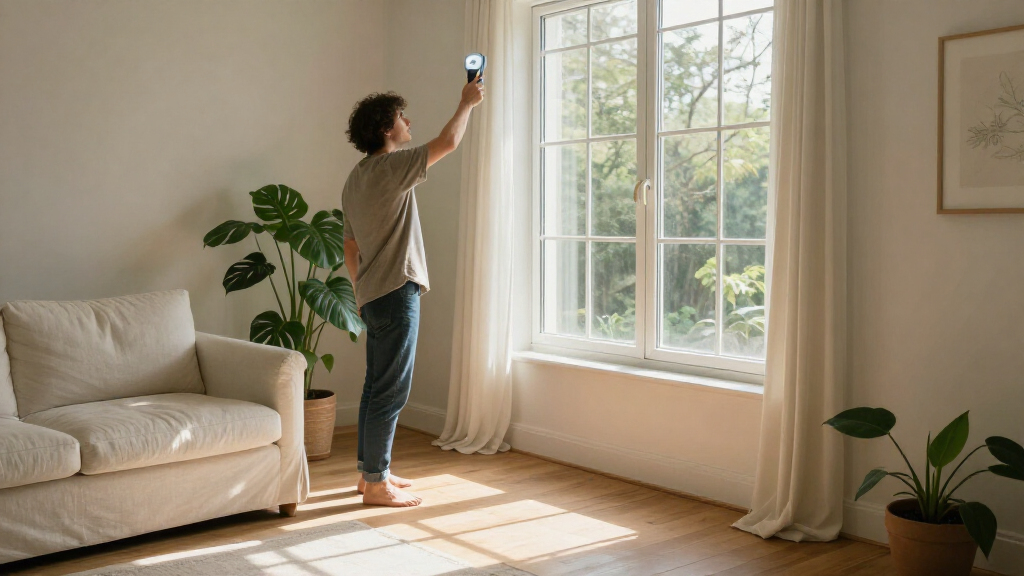
The writer said they put a very bright “corn cob” LED bulb near their desk, positioned in their peripheral vision because looking directly at it felt uncomfortable. Using what the writer described as a questionably accurate iPhone light meter, they estimated that light reflected from curtains reached 600 lux, compared with 400 lux outdoors at the time. They also estimated that indoor light levels rose from about 50 to 400 lux. These readings are the writer’s measurements, not independently verified results.
The writer reported a substantial change in their work routine: they could keep to a schedule closer to their summer hours, working until just before dinner rather than feeling compelled to stop when it got dark. They estimated the lighting added 30 minutes to two hours of productive time per day, depending on how overcast it was. Visitors also described the living room as cheerier, according to the account.
In a Nov. 16, 2020 update, the writer said they replaced the single bulb with 21 100-watt-equivalent, 5000K Cree bulbs in three multi-socket splitters. They said this arrangement spread the light more evenly and had a higher color-rendering index. The original bulb had a built-in cooling fan; the writer estimated its noise at 45 decibels from one metre away using a phone app. They also cautioned that the large bulb might not fit common fixtures and that sockets must be rated for the bulb’s wattage.
Could Your Room Be As Bright As The Outdoors?
A Boston resident says brighter LED lighting helped them work later during short winter days. This is one person’s experience, not evidence of a health treatment or a result others can expect.
What the writer reported
A brighter room seemed to make evening work more comfortable and the living room cheerier.
A longer workday
The writer said they could work closer to their summer schedule, until just before dinner.
More welcoming light
Visitors reportedly described the living room as cheerier.
One bulb, then a broader setup
The account describes a change in how the light was spread around the room.
One high-output “corn cob” LED bulb was placed in peripheral vision; looking directly at it felt uncomfortable.
The writer later switched to 21 lower-output bulbs in three splitters, describing the light as more diffused.
What the account can show
The figures and effects come from an informal personal experiment.
- More evening productivity for the writer
- Informal phone-based light readings
- A change from one bulb to 21
- That bright lighting treats seasonal depression
- That others will have the same response
- That the readings or productivity estimate are independently verified
Bright Rooms and Winter Work
The account speaks to a practical problem for people whose work or routines continue after short winter daylight: ordinary indoor lighting may feel dim compared with daylight, while a brighter room can change how comfortable it feels to stay at a desk. For this writer, the reported benefit was not a measured change in health but a longer stretch of evening productivity and a more welcoming living room.
That distinction matters. The source is a single person’s observation, with informal light and sound readings and no comparison group. It cannot establish that brighter lighting improves concentration for the general public, prevents seasonal depression, or replaces clinical care. Readers considering a similar setup should treat the productivity estimate as personal experience, not a guaranteed result.
The report also reflects changing access to bright LEDs. The writer argued that high-output lighting had become more affordable than it once was, and described a setup costing roughly $100 for a bulb at the time. But purchase price alone does not establish the total cost or suitability of a room installation: energy use, heat, fixture ratings, glare and the specific bulbs all matter.
Products Worth Considering

eufy C28 Robot Vacuum and Mop with 15,000 Pa Suction

Levoit Vital 100S-P Air Purifier with Washable Pre-Filter

Sonos Era 100 SL Compact Microphone-Free Speaker, Black
As an affiliate, we earn on qualifying purchases.
From One Bulb to 21
The writer said they had previously responded to dark evenings by shifting their sleep schedule earlier or accepting that they would be less productive. Returning to Boston after Senegal, they found the early sunset more noticeable and said they were already waking around 6:30 a.m. The account does not provide a controlled comparison of their work before and after the lighting change.
The first setup used one high-output bulb in a separate fixture rather than changing existing household fixtures. The writer later switched to 21 lower-output bulbs, saying the distributed light was more diffused. That update is part of the same personal account; it is not a formal test comparing the two arrangements. The source also discusses light therapy lamps, but offers the writer’s opinion that a room-wide setup provides a different experience, not clinical evidence that one approach is more effective.
The source gives estimates for the brightness and running cost of its own arrangement, but those figures depend on the particular bulbs, usage and electricity rates. They should not be read as a universal estimate for lighting an entire home.
“I became dramatically more productive between 3:30pm and whenever I turned off the light.”
— The writer, describing their reported workday change
Limits of the Lighting Test
The source does not identify a controlled study, independent measurements, or a clinical assessment. The writer’s phone-based lux and sound readings were described as questionable, and the reported productivity gains were not tracked against a baseline using a defined method. It is not clear how much of the change came from the added light, the person’s expectations, weather, workload or other factors.
The account also does not establish how bright the space was across the room, how long the lights were used each day in practice, or whether other people would find the setup comfortable. The writer said looking directly at the first bulb was uncomfortable. No general safety assessment or professional guidance is provided for installing or using high-output bulbs, and the account does not show that the lighting is appropriate for people with medical conditions or for treating seasonal depression.
No Follow-Up Study Reported
The source provides a dated update on the writer’s change from one corn-style bulb to 21 bulbs, but does not report a formal follow-up study, longer-term health outcomes or independent testing. It is also not clear whether the writer continued using the same setup beyond the update.
For readers, the next step is to distinguish an individual home experiment from evidence about treatment or safety. Anyone considering high-output bulbs should check the bulb and fixture specifications, including socket wattage limits and physical fit, and avoid staring directly at an uncomfortable light source. The source does not offer medical advice; people seeking help for persistent mood or concentration changes should consult a qualified health professional.
Key Questions
What happened in the Boston resident’s experiment?
The writer placed a high-output LED bulb near a desk during Boston’s short winter days and reported being able to work later into the evening. They later said they replaced it with 21 lower-output bulbs for more diffused light.
Did the lighting prove effective for seasonal depression?
No. The source describes one person’s experience with productivity and comfort. It does not report a clinical diagnosis, controlled trial or evidence that the setup treats seasonal depression.
How much brighter did the writer say the room became?
Using a phone light-meter app, the writer estimated that indoor light levels rose from about 50 to 400 lux. They said the app’s readings were questionable, so these are informal estimates rather than verified measurements.
What should someone check before using a high-output bulb?
The writer advised checking that the bulb fits and that the fixture or socket is rated for its wattage. The source also notes that the original bulb was uncomfortable to look at directly and had a cooling fan. It does not provide a full safety assessment.
Source: Hacker News