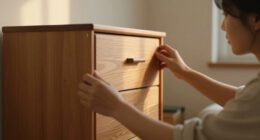
To add visual interest to neutral spaces, incorporate textured elements like plush throws, cushions, or textured wallpaper. Mix smooth and rough surfaces, shiny and matte finishes, to create a balanced, layered look that invites touch and curiosity. Using different textiles and tactile wall coverings enhances depth and sensory appeal, making your space feel warm and inviting. Keep exploring these ideas, and you’ll discover how to craft a richly textured environment that captivates the senses.
Key Takeaways
- Incorporate layered textiles like plush throws and cushions to add tactile depth without overwhelming a neutral palette.
- Use textured wall coverings such as cork or grasscloth to introduce visual dimension as a subtle backdrop.
- Mix smooth and rough surfaces, like velvet pillows with linen sofas, to create visual and tactile contrast.
- Combine shiny and matte finishes in textiles and surfaces to maintain interest and prevent flatness.
- Balance textured elements throughout the space to achieve harmony while enhancing sensory appeal.

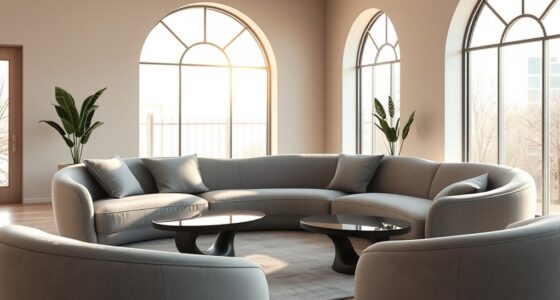
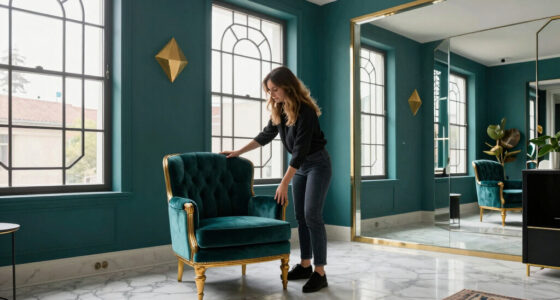
Have you ever wondered how to add depth and personality to a neutral space? One of the simplest yet most effective ways is by incorporating texture. When you work with textured elements, you transform a plain room into a visually engaging environment that invites touch and curiosity. Layered textiles are a fantastic starting point. Think about plush throw blankets, soft cushions, or upholstered furniture that bring a sense of warmth and comfort. By layering different textiles—perhaps a wool rug under a linen sofa or velvet pillows on a cotton armchair—you create a rich, tactile experience. These textiles don’t just look good; they invite you to reach out and feel the varied surfaces, making your space more inviting and dynamic. The key is to mix textures intentionally, balancing smooth and rough, shiny and matte, to keep the eye moving and prevent the room from feeling flat. Additionally, incorporating Layered textiles can help in maximizing space and organization by defining zones and creating visual boundaries within an open plan. Tactile wall coverings are another powerful tool for adding depth. Unlike paint, these coverings introduce texture directly to the walls, which serve as the backdrop for the entire room. Consider materials like cork, grasscloth, or textured wallpaper with subtle patterns. These wall treatments offer more than just visual interest—they add a physical dimension that enhances the room’s overall sensory appeal. When you run your hand over these surfaces, you’ll notice the variation in texture, which creates a layered effect that’s both subtle and sophisticated. Using tactile wall coverings allows you to add complexity without cluttering the space. They also serve as a neutral canvas, meaning you can keep other elements simple and let the wall’s texture be the focal point. Blending layered textiles with tactile wall coverings results in a balanced, multidimensional space. For instance, a neutral-toned room with a textured wallpaper on the accent wall paired with cozy, layered textiles on furniture creates contrast and interest. You can also introduce different textures in the same color palette, ensuring harmony while still adding visual and tactile layers. The goal is to make your space feel curated and intentional without overwhelming it with noise. By thoughtfully combining these textured elements, you provide your room with depth and personality while maintaining that calm, neutral aesthetic you love. The tactile qualities invite movement and interaction, making your space feel alive and thoughtfully designed. So, when you focus on layered textiles and tactile wall coverings, you’re not just decorating—you’re creating a sensory-rich environment that’s both beautiful and inviting.

White Geometric Maze Wallpaper Neutral Tone Non-Pasted Wallpaper,
- Material: Premium non-woven fiber with sound absorption
- Design: White geometric maze pattern
- Application Tips: Not suitable for bathrooms or garages
As an affiliate, we earn on qualifying purchases.
As an affiliate, we earn on qualifying purchases.
Frequently Asked Questions
How Do I Choose the Right Texture for My Neutral Space?
When choosing the right texture for your neutral space, consider how tactile contrast can add visual depth. Think about mixing soft, plush fabrics with rougher surfaces like woven or matte finishes to create interest. You want textures that complement each other without overwhelming the room. Focus on selecting materials that feel good to the touch and enhance the space’s calm aesthetic, while providing just enough variation for visual depth and tactile contrast.
Can Texture Make a Small Room Feel Larger?
Did you know that adding texture can make a small room feel 20% larger? You can achieve this by creating visual weight through tactile contrast, which tricks the eye into perceiving more space. Incorporate textured throw pillows, rugs, or wall treatments to add depth without overwhelming the area. This technique enhances the space’s dimension and makes it feel more open and inviting, even in limited square footage.
What Are the Best Materials for Adding Texture?
When adding texture, you want materials that stand out and invite touch. Consider textured wall treatments like stucco, wood paneling, or plaster to create depth. Tactile fabric options, such as plush rugs, boucle upholstery, or velvet cushions, add warmth and interest. These materials bring visual richness to neutral spaces, making them feel more dynamic and inviting, without overwhelming the room’s calm aesthetic.
How Do I Balance Multiple Textures Without Clutter?
You’re walking a tightrope when balancing multiple textures without clutter. Think of it as a recipe—layer textures thoughtfully and use color coordination to tie everything together. Mix soft and rough surfaces, but keep a unifying color palette to avoid chaos. By layering textures intentionally and maintaining harmony in color, you create visual interest without overwhelming your space. Less is more, so choose quality over quantity to keep it refined.
Are There Seasonal Tips for Changing Textures in Neutral Spaces?
When changing textures seasonally, you should focus on texture layering to keep your neutral space engaging. Switch out lightweight fabrics for cozy knits or plush throws during colder months, and incorporate breezy linens in summer. Add seasonal decor pieces that bring varied textures, like woven baskets or faux fur accents. This approach keeps your space visually interesting while maintaining a balanced, clutter-free look throughout the year.

JIANGPIN TEXTILE Blinds for Windows Dual Layer Zebra Roller Shades Light Filtering Sheer Window Treatments Privacy Light Control for Day and Night(W41 x H72(Inch), Cream)
- Material: Premium polyester fabric
- Design: Dual layer zebra pattern
- Size: 41 inches wide, 72 inches high
As an affiliate, we earn on qualifying purchases.
As an affiliate, we earn on qualifying purchases.
Conclusion
Think of your neutral space as a blank canvas—adding texture is like choosing bold brushstrokes that make the artwork pop. I once transformed a dull living room by layering different fabrics and wall textures, and suddenly, it felt alive. Studies show that textured elements can increase visual interest by 30%. So, don’t be afraid to experiment; a simple touch of texture can turn a bland space into a mesmerizing retreat, inviting the eye and soul to linger longer.

Utopia Bedding Throw Pillows, Decorative 18×18 Pillow Inserts, Set of 4
- Size: 18×18 inches, set of 4
- Fit: Compatible with standard 18×18 covers
- Filling: High-rebound virgin fiber fill
As an affiliate, we earn on qualifying purchases.
As an affiliate, we earn on qualifying purchases.
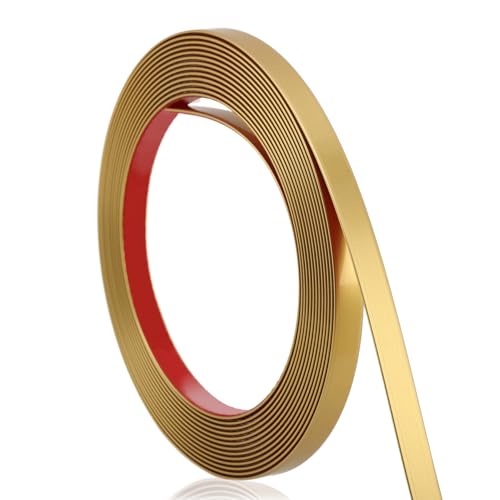
Soengsau Matte Gold Finish Molding Trim, 196.8"L x 0.4"W Peel and Stick Decoration Strip for Ceiling, Wall, Tile Edge, Furniture Cabinet, Mirror
- Easy to Install: Cut, peel, and stick in three steps
- Multi-Surface Use: Suitable for walls, ceilings, tiles, and furniture
- Self-Adhesive Design: No tools needed, leaves no residue
As an affiliate, we earn on qualifying purchases.
As an affiliate, we earn on qualifying purchases.