
TL;DR
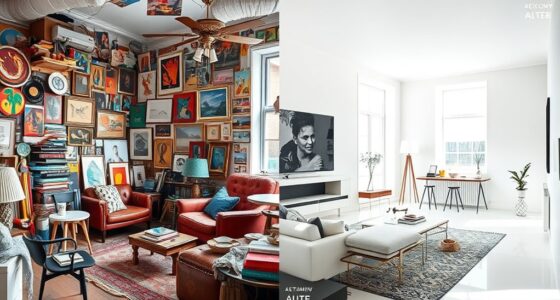
Homebuyers are moving away from the open-concept layouts popular in the ’90s. Instead, they prefer defined, purpose-driven spaces with warmth, personality, and efficiency, reflecting changing priorities for comfort and individuality.
Real estate and design professionals confirm that the once-dominant open-concept home layouts of the ’90s are increasingly being replaced by homes with defined, purpose-driven spaces, reflecting a shift in buyer preferences for warmth, personality, and efficiency as of 2025.
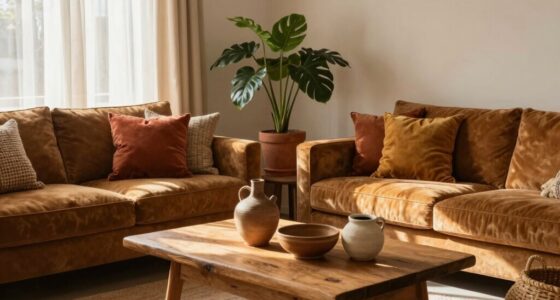
According to experts, the trend away from open-concept living is driven by rising construction and real estate costs, prompting developers to focus on efficient, multifunctional, and smaller spaces. This shift allows for more personalized design choices, including bold colors, textures, and craftsmanship, balancing modern minimalism with warmth and character.
Buyers now favor homes that incorporate smart technology, eco-friendly materials, and energy efficiency, often blending these features seamlessly into the architecture. Home offices, media rooms, and cozy dining areas are replacing large, open spaces, emphasizing individual functionality and aesthetic appeal.
Implications for Homebuyers and the Market
This shift impacts both buyers and developers by prioritizing personalized, efficient, and sustainable homes that reflect individual lifestyles. It also signals a move away from the uniformity of the ’90s open-plan trend, influencing future home designs and real estate values.

DUMOS File Cabinet with 3 Drawers, Wood Under Desk Storage Printer Stand
- Versatile Storage Options: Open shelves and three drawers for organization
- Ample Top Surface: Supports printers, scanners, or decor
- Sturdy MDF Construction: Supports up to 330 lbs for durability
As an affiliate, we earn on qualifying purchases.
As an affiliate, we earn on qualifying purchases.
Evolution of Home Layouts from the ’90s to Today
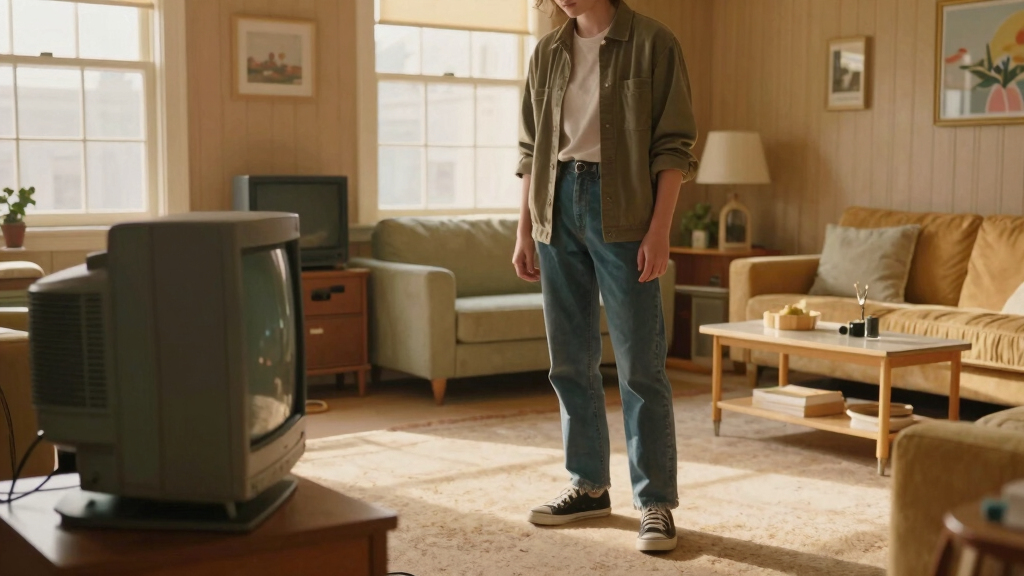
The open-concept floor plan gained popularity in the ’90s, driven by modernist ideals and a desire for spaciousness. Over time, rising costs and changing lifestyles have prompted a reevaluation of this layout. Recent trends show a move toward more delineated, functional spaces that maximize utility and personality, aligning with broader shifts in design aesthetics and sustainability goals.
“Smaller, smarter spaces are becoming the norm, driven by rising costs and a focus on efficiency. Buyers want homes that are personalized and practical.”
— an anonymous real estate expert

AJAZZ Room Divider Curtain (Black, W100 x L84 in, 1 Panel)+ Tension Curtain Rod No Drilling (H) 43-120×(W) 35-100 in, for Privacy/Soundproof Curtains, Heavy Duty Wall Separator
- Privacy & Blackout: 100% blackout for privacy and darkness
- No-Drill Tension Rod: Adjustable, damage-free installation
- Sound-Dampening Fabric: Absorbs echo and noise
As an affiliate, we earn on qualifying purchases.
As an affiliate, we earn on qualifying purchases.
Unclear Aspects of the Transition to New Home Styles
While experts agree on the general shift, it remains unclear how rapidly this trend will fully replace open-concept layouts nationwide, and whether regional preferences will influence the pace of change. Additionally, the long-term durability of these new design choices is still being observed.

4PC Electricity Saving Box, Energy Saving Device Smart, Save Plug Power Saver Voltage Optimization Surge Protection Thermoregulation Outlet Home Office Compact Plug and Play Energy Efficiency
- Power Optimization & Energy Savings: Stabilizes voltage and reduces waste
- Wide Compatibility & Applications: Suitable for various appliances and settings
- Safe & Durable Construction: Flame-retardant, overheating, overload protection
As an affiliate, we earn on qualifying purchases.
As an affiliate, we earn on qualifying purchases.
Future Developments in Home Design Trends
Expect continued growth in personalized, efficient, and sustainable home designs, with developers and architects experimenting with new layouts and materials. Market data and buyer preferences over the next few years will clarify how deeply the ’90s open-concept trend has been replaced and what innovations will emerge to shape future homes.
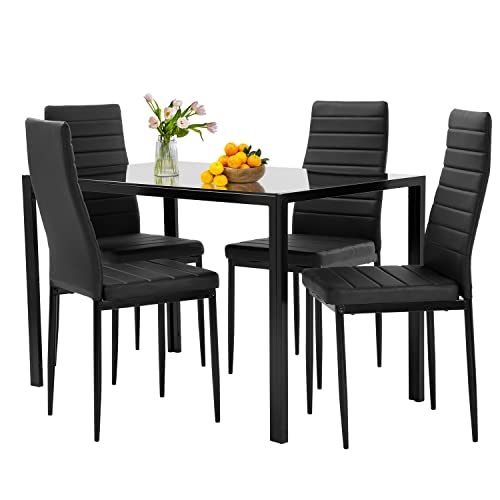
FDW | 5-Piece Dining Table Set | Black | Glass Kitchen Table
- Includes 1 glass dining table: Rectangular glass table for dining
- Four faux leather chairs: Cushioned, ergonomic chairs for comfort
- Space-saving design: Chairs slide under the table
As an affiliate, we earn on qualifying purchases.
As an affiliate, we earn on qualifying purchases.
Key Questions
Why are open-concept layouts declining in popularity?
Experts attribute the decline to rising construction costs, a desire for more defined and functional spaces, and a shift toward personalization and warmth in home design.
What types of home layouts are replacing open-concept designs?
Homes are now featuring more delineated rooms such as dedicated offices, media rooms, and cozy dining areas, often with bold colors, textures, and artisanal details.
Are these new trends suitable for all regions?
Regional preferences may influence the pace of adoption, but the overall trend toward personalized, efficient spaces is gaining momentum nationwide.
Will open-concept homes disappear entirely?
It is unlikely they will vanish completely, but their popularity is decreasing as more homeowners seek spaces that reflect individual lifestyles and practical needs.
How will these changes affect real estate values?
Homes with personalized, efficient layouts and sustainable features are expected to hold or increase their value, especially as buyer preferences shift toward these qualities.
Source: Apartment Therapy