
TL;DR
The India pavilion at Venice Biennale highlights how craft practices serve as a reflection of home and cultural identity. It emphasizes the role of craft in maintaining a sense of belonging and community. The exhibition is part of India’s ongoing engagement with contemporary art and craft traditions.
The India pavilion at the Venice Biennale has opened with an exhibition titled “Echoes of Home,” which explores how craft traditions serve as a means of preserving and expressing the idea of home. The pavilion features contemporary works that reflect cultural identity and community bonds, emphasizing craft’s role in maintaining a sense of belonging amid rapid change. This development underscores India’s ongoing effort to showcase its rich craft heritage within the global art scene.

Get furniture and decor delivered free with Prime
- Fast, free delivery on millions of items
- Prime Video, Amazon Music and more included
- Member-only deals all year
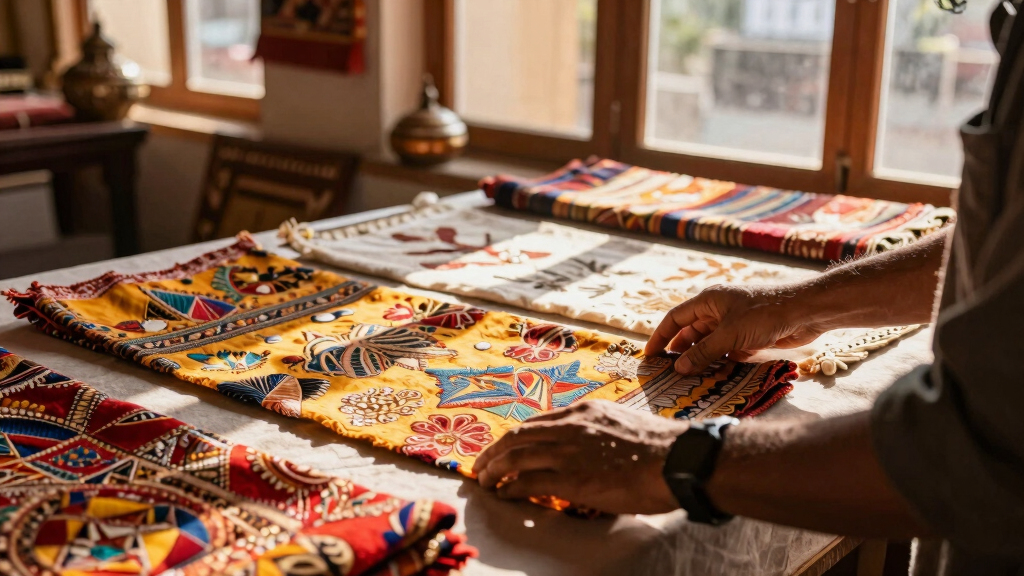
The exhibition, curated by Skarma Sonam Tashi, presents a series of installations and craft-based artworks that examine the emotional and cultural significance of craft in Indian communities. The works highlight how traditional techniques are adapted to contemporary contexts, reinforcing the idea that craft is not merely decorative but integral to personal and collective identity. The pavilion’s theme, “Echoes of Home,” aims to evoke feelings of familiarity and rootedness, even as societies evolve.
According to an official statement, the pavilion seeks to demonstrate that craft practices are vital for sustaining cultural memory and social cohesion. The exhibition includes pieces from various regions of India, showcasing diverse techniques and materials, from textile arts to woodwork. The focus is on how these crafts serve as a tangible connection to one’s origins and community life.
Why the Pavilion’s Focus on Craft Matters
This exhibition matters because it highlights the importance of craft as a cultural anchor, especially in a rapidly globalizing world. It underscores India’s effort to elevate traditional practices within contemporary art discourse, fostering appreciation for craft’s role in shaping identity and community. The pavilion’s approach could influence future dialogues on cultural preservation and the value of indigenous knowledge in global art spaces.
Products Worth Considering

Bose Lifestyle Ultra Wireless Home Speaker, White Smoke

Dyson V15s Detect Submarine Wet and Dry Vacuum, Yellow/Nickel

Sony BRAVIA 6 77-Inch OLED 4K HDR Smart Google TV with Gemini (K-77A60)
As an affiliate, we earn on qualifying purchases.
Background of India’s Representation at Venice Biennale
India has been participating in the Venice Biennale since 2011, increasingly integrating traditional craft forms into contemporary art exhibitions. The current pavilion continues this trajectory, emphasizing craft’s relevance in addressing issues of identity, belonging, and cultural continuity. Previous editions have also explored similar themes, but the focus on craft as a means of maintaining the idea of home is a new and significant development for India’s national representation.
“The pavilion’s focus on craft as a reflection of home underscores its role in cultural resilience and community bonding.”
— an anonymous researcher
Unanswered Questions About the Pavilion’s Impact
It is not yet clear how visitors and critics will respond to the exhibition’s emphasis on craft as a reflection of home. The long-term impact on India’s cultural diplomacy or influence on global craft discourse remains to be seen. Additionally, the extent to which this focus will be integrated into future Indian pavilions is still uncertain.
Next Steps for the India Pavilion and Broader Impact
Following the exhibition’s opening, organizers will monitor visitor engagement and critical reception. Discussions around the role of craft in contemporary identity are expected to continue, potentially influencing future exhibitions and cultural policies. The pavilion’s success could also encourage other nations to explore similar themes, fostering a broader dialogue on craft and home in the global art landscape.
Key Questions
What is the main theme of the India pavilion at Venice Biennale 2026?
The main theme is how craft traditions reflect and sustain the idea of home, emphasizing cultural identity and community bonds.
Who curated the India pavilion at the Venice Biennale?
The pavilion was curated by Skarma Sonam Tashi.
What kinds of artworks are featured in the pavilion?
The exhibition includes installations and craft-based artworks from various regions of India, showcasing textile arts, woodwork, and other traditional techniques.
How does this exhibition relate to India’s broader cultural strategy?
It continues India’s effort to integrate traditional craft practices into contemporary art discourse, promoting cultural preservation and identity on a global stage.
What are the potential impacts of this exhibition?
The exhibition could influence future dialogues on craft, cultural resilience, and identity, both within India and internationally, and shape India’s cultural diplomacy efforts.
Source: designboom