
TL;DR

Get furniture and decor delivered free with Prime
- Fast, free delivery on millions of items
- Prime Video, Amazon Music and more included
- Member-only deals all year
A historic 1830s Manhattan loft has been carefully restored by designer Gabriel Yuri, preserving its original industrial details and personal artifacts. The renovation highlights the balance between maintaining history and creating a modern living space, illustrating the ongoing preservation of New York’s architectural heritage.
Gabriel Yuri has finished renovating his 860-square-foot loft in Manhattan, successfully blending historic industrial elements from the 1830s with modern design features. This project highlights the ongoing effort to preserve architectural history amid rapid urban development in New York City, making the space both a personal retreat and a symbol of cultural conservation.
The apartment is located in a 19th-century building in NoHo, which has historically served as a furrier, artist refuge, and women’s residence. Yuri, a designer and former Diller Scofidio + Renfro collaborator, spent nearly four years restoring the space, uncovering original features such as brick walls, tin ceiling tiles, transom windows, and pine floors. He incorporated these elements into a cohesive aesthetic that combines industrial grit with midcentury and contemporary furnishings.
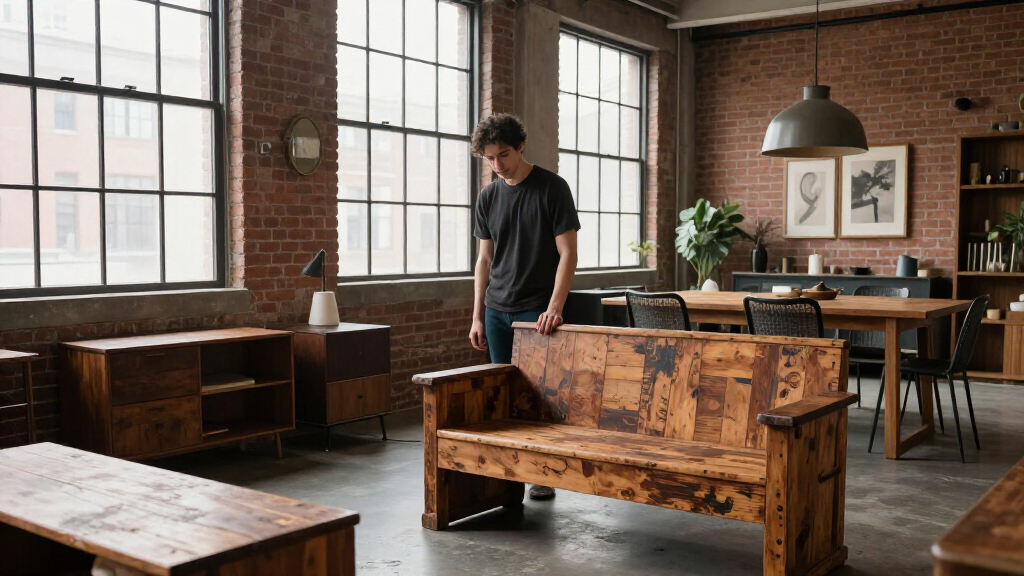
Yuri’s renovation included installing original tin ceiling tiles found discarded by neighbors, restoring exposed brickwork and steel beams, and repurposing his grandmother’s collection of midcentury furniture. The space features a custom banquette sofa with hidden storage, a wood-and-cement bookcase, and artwork from various sources, including pieces by Paul Sepuya and Sarah Oppenheimer. The apartment reflects a personal history intertwined with the building’s layered past, emphasizing a respect for historical integrity.
Yuri’s design approach aims to create a calm, cocooning environment, blending industrial materials with personal artifacts. The space serves as a sanctuary for reading, listening to music, and working from home, with a focus on layered textures and meaningful objects.
Why Preserving Historic Lofts Matters in NYC
This renovation exemplifies the importance of maintaining architectural heritage in New York City, where many historic buildings face redevelopment. By carefully restoring original features and integrating personal history, Yuri’s project demonstrates how historic preservation can coexist with contemporary living. It highlights a broader movement to protect NYC’s layered architectural identity, offering inspiration for future restorations that honor the city’s cultural legacy.
As an affiliate, we earn on qualifying purchases.
Historic Buildings in NoHo and Preservation Trends
The building housing Yuri’s loft dates back to the 1830s and has a diverse history as a furrier, artist refuge, and women’s residence. Over the years, many such structures have been altered or demolished to make way for new developments. In recent years, there has been a renewed focus on restoring and repurposing historic properties in neighborhoods like NoHo, blending old and new to preserve the city’s architectural diversity. Yuri’s project aligns with this trend, emphasizing respect for original craftsmanship and personal storytelling within renovated spaces.
“I wanted something that had history and character, so it was great that I got to this one while it still had some of that intact.”
— Gabriel Yuri
As an affiliate, we earn on qualifying purchases.
Remaining Questions About Future Preservation Efforts
It is not yet clear whether Yuri’s renovation will influence broader preservation policies or inspire similar projects in the neighborhood. Details about potential regulatory challenges or community responses remain undisclosed, and the long-term impact on the building’s historic status is still uncertain.
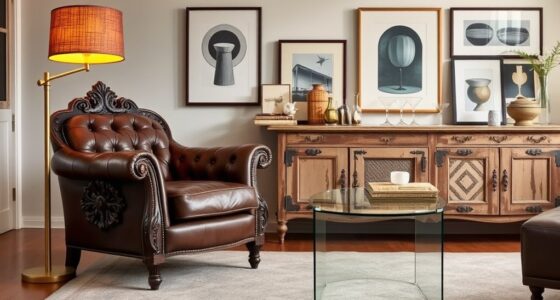
midcentury modern furniture for living room
As an affiliate, we earn on qualifying purchases.
As an affiliate, we earn on qualifying purchases.
Next Steps for the Loft and Preservation Initiatives
Yuri plans to continue living in the space and may host small exhibitions or events that showcase the building’s history. Additionally, there is ongoing interest among preservationists and local officials in encouraging more projects that restore historic structures while adapting them for modern use. Future developments could include formal recognition of the building’s heritage and potential inclusion on preservation lists.
As an affiliate, we earn on qualifying purchases.
Key Questions
What makes this loft historically significant?
The building dates back to the 1830s and has served various roles, including a furrier’s shop and artist refuge, with original features like brick walls, tin ceilings, and transom windows still intact.
How did Yuri restore the apartment’s original features?
He spent nearly four years peeling back renovations, restoring pine floors, uncovering brick and steel elements, and installing original tin ceiling tiles, often himself or with a handyman’s help.
What personal items are incorporated into the design?
Yuri included furniture and artifacts from his grandmother, such as midcentury chairs, stained-glass doors, and artwork, giving the space a personal and historical touch.
Does this renovation set a precedent for historic preservation in NYC?
While it highlights the value of restoring historic buildings, it is unclear if it will influence broader policies or inspire similar projects citywide.
What are the future plans for the building?
Yuri intends to continue living in the loft and possibly host small events. Preservation advocates hope to see more recognition and protection for similar historic structures.
Source: Architectural Digest
Halloween Picks
halloween
As an affiliate, we earn on qualifying purchases.