
TL;DR
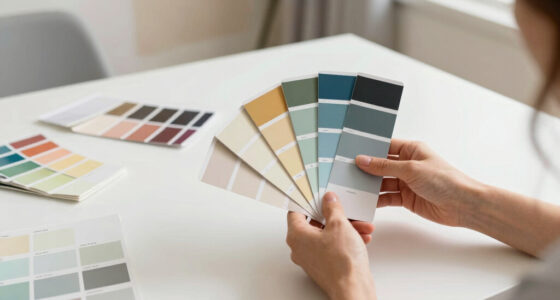
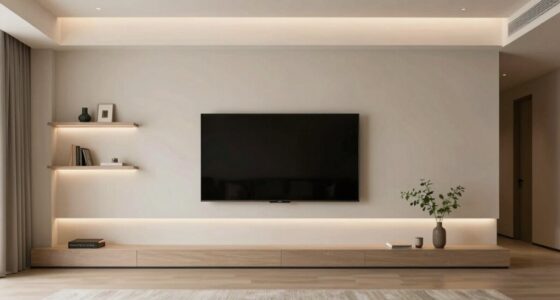
Interior designers describe a move away from cool, minimalist rooms toward spaces that feel warmer, layered and personal. Their five approaches include emphasizing wood, choosing stone with warmer veining, creating a retreat-like atmosphere, layering furnishings and lighting, and using varied textures.
Interior designers say warmth is shaping home design in 2026, with more attention going to wood, naturally varied stone, layered furnishings and tactile surfaces. The shift is described as a move away from cool neutrals and minimalist interiors toward rooms that feel personal, comfortable and lived-in, though the examples are designers’ observations rather than measured industry-wide data.

Get furniture and decor delivered free with Prime
- Fast, free delivery on millions of items
- Prime Video, Amazon Music and more included
- Member-only deals all year
The five approaches shared by designers begin with making wood a stronger feature. Rachel Simpson, senior interior designer at Revive Design and Renovation, says her team is using more white oak, walnut and rift-cut cabinetry, as well as wood ceilings and paneled walls. The appeal, according to the designers, is wood grain’s ability to add visual depth without making a room feel formal.
A second change is the use of stone with warmer veining and softer finishes in place of stark white countertops. Simpson points to quartzite, travertine and marble, and says honed surfaces can feel more organic than highly polished ones. The article does not specify how common these materials are across the wider renovation market.
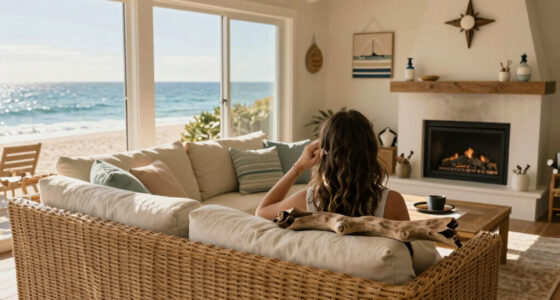
The remaining ideas focus on how a room is experienced. Charles Greenfeld, founder and principal designer at Ethan Charles Design, describes a client project envisioned as a comfortable, contemporary mountain retreat. Ashley Powell, cofounder and interior designer of Roseberry Allen, recommends combining rugs, wall texture, art, draperies and lighting at different heights. Jess Klein, founder and principal of Jess Klein Studio, says contrasting materials—such as a woven rug, textured wall and visible wood grain—can create depth even when colors stay close together.
How warmth is shaping interiors in 2026
Designers describe a move away from cool minimalism toward rooms that feel layered, comfortable and personal. Their five ideas range from natural materials to tactile details.
Five ways to bring in warmth
The suggestions work at different scales, from furnishings to renovation choices.
Make wood a feature
White oak, walnut, cabinetry, ceilings and paneled walls add visible grain and depth.
Choose warmer veining
Quartzite, travertine and marble with honed finishes can feel softer and more organic.
Aim for a retreat
A comfortable, contemporary mountain retreat is one designer’s vision for a welcoming room.
Mix furnishings and light
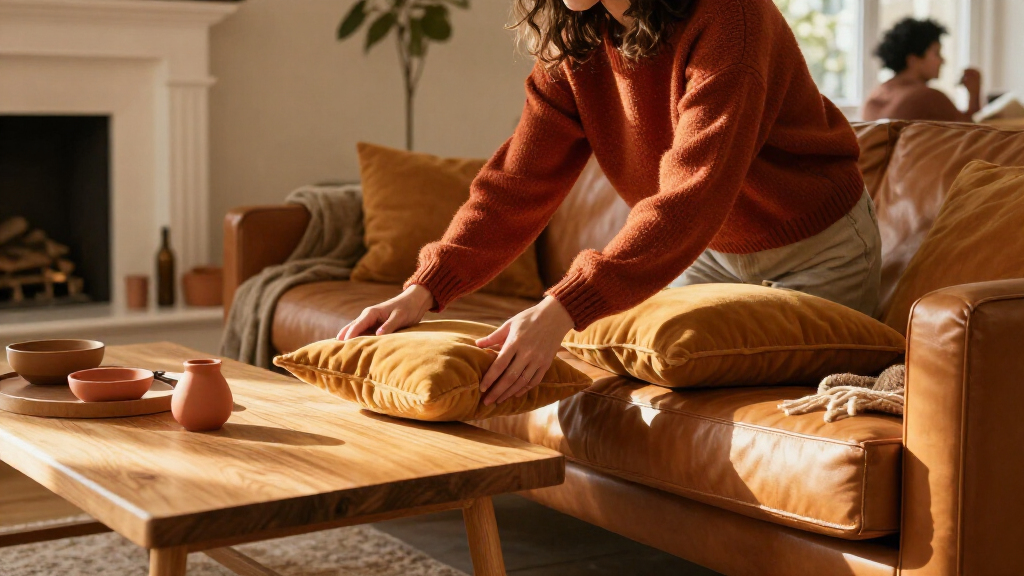
Rugs, art, draperies, wall texture and lighting at different heights make spaces feel cozy.
Vary the textures
A woven rug, textured wall and visible wood grain create depth, even in similar colors.
Start with the room you have
Small changes can test the feel before a larger project.
Try a rug, draperies or lamps to bring in texture and varied lighting.
Consider wood details or warmer-veined stone where they suit the room.
Choose elements that feel comfortable and reflect the people who live there.
What the report can show
The account reflects designers’ observations and selected projects.
- Named designers describe warmer, layered interiors.
- They share material and styling ideas from their work.
- No survey or sales figures measure how widespread the shift is.
- Costs, durability and upkeep are not compared.
How Warmth Changes Room Design
The reported shift is about more than adding brown tones or replacing a countertop. Designers describe warmth as a combination of materials, texture and atmosphere, with choices intended to make rooms feel comfortable and connected to the people who use them. That framing gives homeowners several ways to adapt a space without committing to a single color scheme or a major renovation.
The suggestions also point to design decisions at different scales. A homeowner might add a rug, curtains or lamps, while a larger project could involve cabinetry, wall paneling or stone. These are professional recommendations, not evidence that every feature will suit every home, budget or maintenance preference. The article provides no pricing, durability comparisons or consumer data, so its relevance is primarily as a snapshot of what the designers say they are doing.
Products Worth Considering

Ring Battery Doorbell Plus (2nd Gen) and Chime Plus Bundle, Nickel Silver and White

Dyson Cyclone V10 Origin Cordless Vacuum

Philips Hue Play Gradient Light Tube, Large, Black
As an affiliate, we earn on qualifying purchases.
From Cool Neutrals to Layered Rooms
The designers frame warmth as a reaction to years of cool neutrals and minimalist interiors. The account offers no dates, sales figures or formal research to establish when the change began or how broadly it has taken hold. Its evidence consists of observations from named designers and descriptions of their work.
Laura Gerber, founder of ODE Design, defines the idea as broader than a palette or a material. She says a warm home should feel authentic and comfortable, and reflect the people who live there. That distinction links the five design approaches: wood and stone add natural variation, while layers and texture make a space feel less uniform. A retreat-like atmosphere, meanwhile, is presented as an overall design goal rather than a particular product or style.
“Warmth has become more than just a color palette or a particular material. It’s about spaces that feel authentic, comfortable, and reflective of the people who live in them.”
— Laura Gerber, founder of ODE Design
How Widespread Is the Shift?
The reported trend rests on designers’ professional observations and selected project examples. No survey, sales figures, client sample size or comparison period is given, so it is not possible to determine how widespread the shift is or whether it represents a change across the broader housing and renovation market.
Specific costs, availability and upkeep requirements for the suggested wood and stone choices are also not addressed. The article does not establish that warmer materials are replacing cool finishes in every type of home, or that the approaches will work equally well in different climates, budgets or lifestyles. Those questions remain open beyond the designers’ accounts.
What Homeowners Can Watch
The account does not announce a product launch, policy change or upcoming industry milestone. Its next practical step for readers is to decide which elements, if any, fit their own homes: wood details, warmer-veined stone, layered lighting, added textiles or varied surfaces. Smaller additions can test the look before a larger renovation, though the designers’ suggestions are not a substitute for project-specific advice about materials and maintenance.
Whether this direction will persist or show up in broader market data is not established here. Further reporting on renovation choices, material demand and design surveys would help clarify whether the designers’ observations reflect a wider change.
Source: rss
Key Questions
What does warmth mean in interior design?
In the designers’ description, warmth is not only a color palette. It also comes from natural materials, varied textures, layered furnishings and a room’s overall sense of comfort and personality.
Which materials are designers highlighting?
The designers mention white oak, walnut and rift-cut cabinetry, along with quartzite, travertine and marble with warmer veining. Simpson also points to honed stone finishes.
How can a room feel warmer without changing its colors?
Klein says materials can create variation even when colors are similar. A woven rug, textured wall and visible wood grain catch light differently and can add visual depth.
Is the trend backed by market data?
The report shares observations from named designers, but gives no survey results, sales figures or market-wide measurements. Its account does not establish how many homeowners are making these changes.
Source: housebeautiful.com