European influences in cabinetry often feature designs that stop just short of the ceiling, creating a balanced and elegant look. This approach highlights craftsmanship, with ornate moldings and decorative trims adding sophistication. It also allows space for open shelves or decorative accents, blending practicality with beauty. By maintaining traditional proportions and craftsmanship, these cabinets enhance any room’s style. To learn more about how this timeless design choice can elevate your space, keep exploring these classic European elements.
Key Takeaways
- European design emphasizes aesthetic balance, often ending cabinets short of the ceiling for decorative crown moldings.
- Stopping cabinets short allows space for ornamental trim, moldings, and architectural details inspired by European styles.
- This approach highlights craftsmanship, creating a layered, elegant look aligned with historic European architectural traditions.
- European-influenced cabinetry combines practicality with decorative elements, enhancing room proportions and visual appeal.
- The tradition maintains a timeless aesthetic, blending craftsmanship with modern functionality in contemporary European-inspired designs.

Have you ever wondered how European cultures have shaped the world we live in today? One of the most noticeable influences is in the design of our cabinets and the architectural styles that define our homes. European design principles have long emphasized elegance, functionality, and craftsmanship, which are vividly reflected in cabinet design. When you look at cabinets that stop short of the ceiling, you’re witnessing a tradition rooted in historic European architecture. These cabinets showcase a deliberate choice to create visual balance and enhance the sense of space, a hallmark of classical European interiors.
European cabinet design emphasizes elegance, craftsmanship, and space, reflecting historic architectural traditions.
European architectural styles have historically favored proportion and symmetry, ideas that are directly translated into cabinet design. For example, in French and Italian classical interiors, cabinets are often crafted with intricate moldings, ornate detailing, and a sense of grandeur, yet they are carefully scaled. Instead of reaching all the way to the ceiling, they stop at a comfortable height, allowing for decorative crown moldings or architectural trims that add height and sophistication. This approach not only highlights craftsmanship but also respects the room’s proportions, making the space feel bigger and more open.
The influence of European styles like Baroque, Rococo, and Neoclassical is apparent in the way cabinets are constructed. These styles emphasize ornamental details, curved lines, and symmetry, which can often be seen in cabinetry that features carved embellishments or decorative trim just below the ceiling line. Stopping cabinets short of the ceiling also allows for decorative elements like crown moldings or open display shelves, which are common in European design. This technique creates a layered, refined look that balances practicality with aesthetics.
Furthermore, the European approach to cabinet placement and design influences modern kitchens and living spaces. You might notice that many European-inspired cabinets are designed with a mix of closed storage and open shelving, allowing you to display fine china or decorative items while maintaining a clean, uncluttered appearance. The decision to keep cabinets from the ceiling often makes room for additional decorative features without overwhelming the space. It’s a way to achieve a timeless, elegant look while maximizing functionality.
In addition, the craftsmanship involved in European cabinetry underscores the importance of detailed handiwork, which is still highly valued in contemporary design. The European emphasis on proportion, symmetry, and ornamental detailing ensures that cabinets not only serve a practical purpose but also contribute significantly to the overall aesthetic of a space. The choice to stop cabinets short of the ceiling isn’t just about aesthetics; it’s about honoring a tradition of craftsmanship, proportion, and elegance. This approach continues to inform contemporary design, demonstrating how historic European influences remain relevant and inspiring in modern homes.

EWCR12 Colonial Crown Moulding Trim, 3/4" x 3-5/8", Red Oak, 94"
Unfinished not stained solid hardwood. Natural color may vary from piece to piece.
As an affiliate, we earn on qualifying purchases.
As an affiliate, we earn on qualifying purchases.
Frequently Asked Questions
How Do European Design Trends Influence Cabinet Height Choices?
European design trends influence your cabinet height choices by emphasizing aesthetics and tradition. You might opt for cabinets that stop short of the ceiling to create a balanced, elegant look, highlighting craftsmanship and detail. This approach aligns with classic design traditions, making your space feel more open and sophisticated. By considering these trends, you enhance your home’s overall aesthetic, blending functionality with timeless beauty that reflects European influences.
Are There Regional European Styles That Favor Shorter Cabinets?
Yes, some regional European styles favor shorter cabinets. For example, Mediterranean and Southern European cabinetry often features shorter upper cabinets, creating a cozy, approachable look. These styles prioritize practicality and charm over maximizing storage. You’ll notice that in these regions, cabinets typically stop short of the ceiling, emphasizing a warm, inviting atmosphere. This approach influences your design choices if you’re inspired by European cabinetry and regional styles that value aesthetic balance.
What Are the Functional Benefits of Stopping Cabinets Below the Ceiling?
Stopping cabinets below the ceiling offers several functional benefits. It creates extra space for decorative accents or lighting integration, enhancing your kitchen’s aesthetic appeal. This design also improves ventilation and airflow, making cleaning easier since there’s no dust trap at the top. Additionally, it prevents dust and grease buildup, reducing maintenance. Overall, this approach combines practicality with style, giving your space a sleek, modern look while maximizing utility.
How Do European Kitchens Optimize Storage With Shorter Upper Cabinets?
Imagine a kitchen bursting with storage, where every inch is maximized! European kitchens use shorter upper cabinets to optimize storage by creating accessible countertops and reducing clutter. This design offers easy access to essentials, making cooking a breeze, while also adding aesthetic variation through open shelves or decorative accents. You’ll find it transforms your space into a functional, stylish haven, where everything you need is within reach without feeling cramped or overwhelmed.
Do European Building Codes Impact Cabinet Height Standards?
European building codes do influence cabinet height standards, prioritizing cabinet ergonomics and aesthetic preferences. You’ll find that codes often encourage shorter upper cabinets to improve accessibility and create a more open feel, aligning with European design principles. This means your cabinets might stop just below the ceiling, making them easier to reach and enhancing the overall aesthetic. Following these standards guarantees your kitchen is both functional and visually balanced.

Roowest 2 Pcs Bow Carved Appliques Onlays White PVC Appliques for Furniture Decorative 3D Roses Carved Onlay DIY Decorative for Cabinet Dresser Bed Door Wall Wardrobe Ceiling
Value Pack: contents your purchase includes two urethane onlays appliques each measuring 2.76 x 7.87 x 0.31 inches…
As an affiliate, we earn on qualifying purchases.
As an affiliate, we earn on qualifying purchases.
Conclusion
As you consider these European influences, it’s clear that cabinets often stop short of the ceiling, blending style with practicality. Did you know that in some European countries, over 60% of homes feature this design? It’s a subtle yet impactful choice that maximizes space and enhances aesthetics. So, next time you redesign your kitchen, think about how these cultural touches can transform your space into something both functional and inspired.
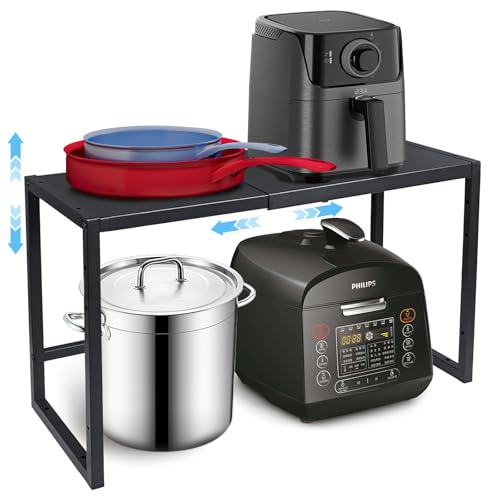
Expandable Metal Storage Shelves, 110LBS Heavy Duty Shelving Units and Storage for Pots Pans Small Appliances, Adjustable Metal Storage Shelf Organizer Rack for Kitchen Cabinets Closet Pantry Garage
【𝗔𝗱𝗷𝘂𝘀𝘁𝗮𝗯𝗹𝗲 𝗟𝗲𝗻𝗴𝘁𝗵 𝗮𝗻𝗱 𝗛𝗲𝗶𝗴𝗵𝘁】: — The metal shelving unit can extend from 18.2 inch to 28.9 inch. And…
As an affiliate, we earn on qualifying purchases.
As an affiliate, we earn on qualifying purchases.

Art3d Pre-Cut Wall Molding Set of 6 pcs, Ready-to-Assemble Wainscoting Panels for Interior Wall Décor Living Room Bedroom Accent Wall – Installed with Glue, 3 Top 3 Bottom
Transformative – Art3d pre-cut molding trim adds depth and character to walls, gives traditional elegance with a hint…
As an affiliate, we earn on qualifying purchases.
As an affiliate, we earn on qualifying purchases.