TL;DR
An artist and designer has significantly transformed a basic 1927 rental property through creative use of paint, artwork, and DIY decor. The renovation highlights how personal touches can redefine rental spaces without permanent modifications. This trend is gaining attention as a model for affordable, personalized home improvement.
An artist and designer has transformed a plain 1927 rental apartment into a vibrant, personalized space using paint, artwork, and DIY projects. The project demonstrates how creative, non-permanent renovations can significantly alter rental interiors, attracting widespread attention among home improvement enthusiasts and renters seeking personalization.
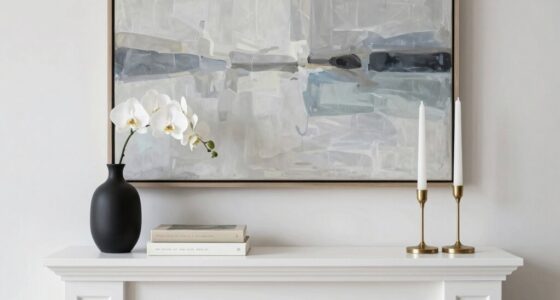
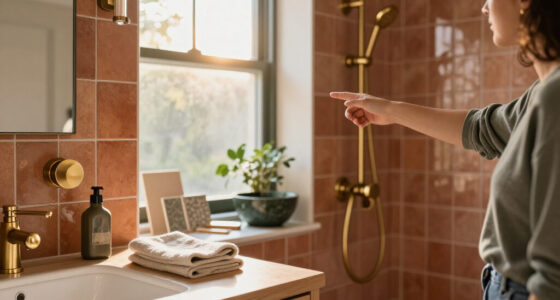
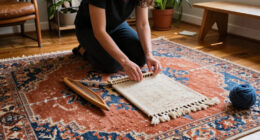
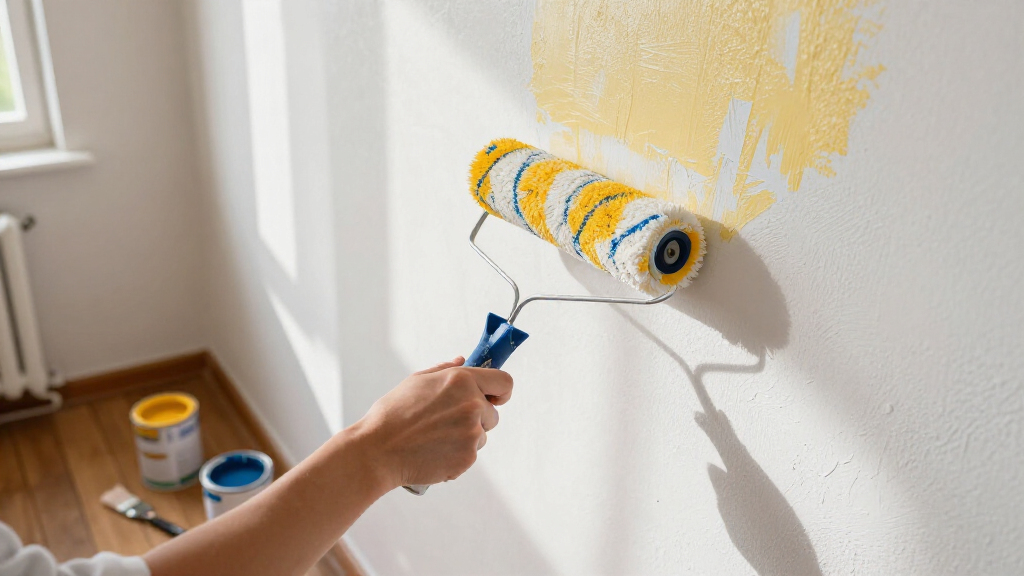
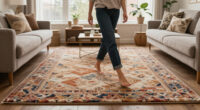
The transformation was carried out by an artist who specializes in interior design and DIY art projects. The rental, originally a basic, unadorned apartment from 1927, was reimagined through a series of creative interventions that included repainting walls, installing custom art pieces, and crafting unique decor elements. The artist emphasized that all modifications were non-permanent, making the space easily reversible for the rental owner.
Sources confirm that the project was completed within a few weeks, utilizing affordable materials and accessible DIY techniques. The artist shared images of the before-and-after spaces on social media, where the dramatic change received considerable attention. The renovation was driven by a desire to demonstrate that personal expression can be achieved within rental constraints without costly or permanent alterations.
Impact of Creative Rental Makeovers on Home Personalization
This project highlights a growing trend where renters and homeowners use art, paint, and DIY decor to personalize spaces without violating lease agreements. It offers a model for affordable, reversible home improvement that could influence rental housing aesthetics and tenant satisfaction. Such transformations can inspire others to invest creatively in their living environments, potentially shifting perceptions of rental spaces from temporary to personalized homes.As an affiliate, we earn on qualifying purchases.
Historical and Cultural Context of Rental Renovations
Renters historically face restrictions on structural modifications, limiting personalization options. However, recent years have seen a surge in DIY and art-based projects that allow for customization without permanent changes. The trend is fueled by social media platforms showcasing creative interior designs, making it easier for renters to access ideas and techniques. The 1927 rental property’s transformation fits within this broader movement toward affordable, creative home decor that balances tenant expression with lease restrictions.As an affiliate, we earn on qualifying purchases.
Extent of Long-Term Impact and Replicability
It is not yet clear how widely this type of transformation will influence rental housing standards or whether similar projects will be adopted on a larger scale. The longevity of such DIY decor and its acceptance by landlords remain uncertain, and the trend’s overall impact on rental market policies is still developing.non-permanent wall paint for rentals
As an affiliate, we earn on qualifying purchases.
As an affiliate, we earn on qualifying purchases.
Potential for Broader Adoption and Future Projects
As the trend gains visibility, more renters and designers may pursue similar projects, sharing their results online. Future developments could include more structured guidelines for non-permanent renovations or even landlord-tenant collaborations. The artist plans to document the process further and inspire others to personalize their rental spaces without risking lease violations.
As an affiliate, we earn on qualifying purchases.
Key Questions
Can renters legally make these kinds of modifications?
Most non-permanent DIY projects are allowed as long as they do not involve structural changes or damage. Renters should review their lease agreements and seek landlord approval if necessary.
What materials are used for these DIY transformations?
Common materials include removable wall paint, adhesive art decals, lightweight decor, and craft supplies. These are affordable and easy to remove or change.
How long do these DIY decor elements typically last?
Durability varies depending on materials and conditions, but most are designed to be temporary, lasting months to years without damage or residue.
Will landlords accept these kinds of changes?
Acceptance depends on the landlord and lease terms. Many landlords appreciate tenants who personalize spaces as long as modifications are reversible and do not cause damage.
Could this trend influence rental housing policies?
Potentially, if more tenants and landlords recognize the benefits of non-permanent personalization, policies could evolve to encourage or formalize such DIY projects.
Source: rss