
TL;DR
A historic rental from the 1910s in New York City is gaining interest due to its potential for upgrades. While ownership isn’t necessary, many improvements could boost both comfort and value. The trend highlights a growing focus on renovating historic apartments.
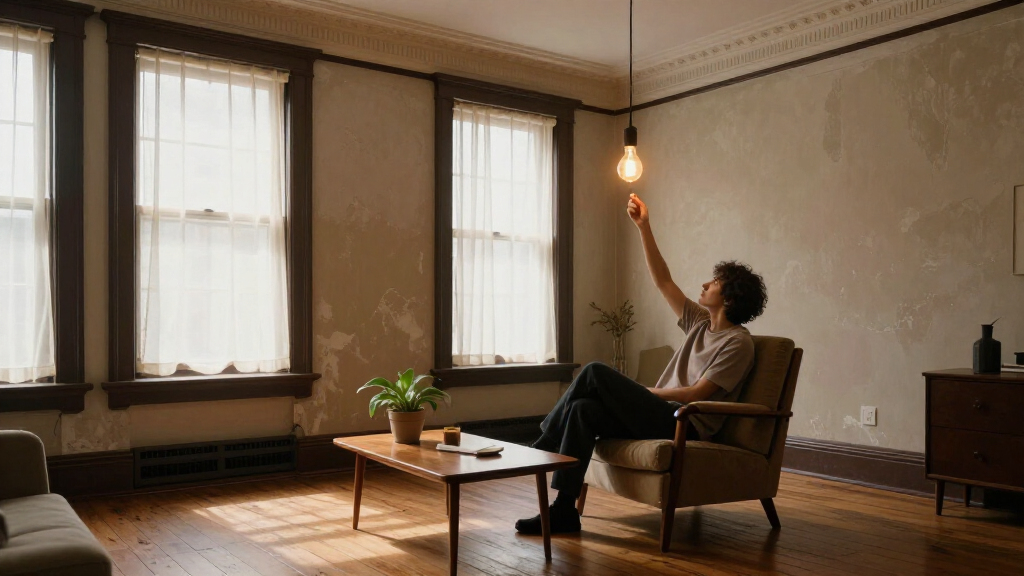
A historic rental apartment from the 1910s in New York City is drawing renewed attention for its potential upgrades, even for those who do not own the property. Experts note that many improvements, such as modernizing electrical systems or upgrading fixtures, can be made without ownership, making these historic spaces more livable and appealing. This trend reflects a broader interest in renovating and preserving older buildings while enhancing their functionality.

Get furniture and decor delivered free with Prime
- Fast, free delivery on millions of items
- Prime Video, Amazon Music and more included
- Member-only deals all year
The property in question is a rental unit dating back to the early 20th century, located in a historic NYC neighborhood. While specific details about this particular apartment are limited, industry sources indicate that many such historic rentals have features ripe for upgrades, including outdated wiring, inefficient heating, and old fixtures. These improvements can often be made through tenant-led initiatives or with landlord cooperation, even if the tenant does not own the property.
According to real estate experts, upgrades like installing energy-efficient lighting, adding modern appliances, or improving insulation are accessible options for renters. These modifications can significantly boost comfort and reduce utility costs, all while respecting historic preservation guidelines. The trend is partly driven by increased interest in sustainable living and the desire to maintain the charm of historic buildings without sacrificing modern amenities.
While some upgrades might require landlord approval or adherence to city regulations, many minor improvements are within reach for tenants. The rising attention to this possibility is reflected in recent search trends and media coverage, suggesting a growing awareness that historic rentals can be both charming and adaptable to modern needs without ownership.
Why Upgrading Historic Rentals Matters for Tenants and Preservation
This trend highlights that tenants can actively improve their living spaces in historic buildings, contributing to preservation efforts while enhancing comfort. It also signals a shift in how people view rental properties, emphasizing that meaningful upgrades are possible without ownership. For the broader community, this approach helps maintain the architectural character of NYC neighborhoods while making them more sustainable and livable.
Products Worth Considering

LG 55-Inch QNED73B Mini LED 4K Smart TV (2026)

Philips Hue Amarant Outdoor Smart Light Bar, Black

Samsung 65-Inch M70H Series 4K Mini LED Smart TV (2026)
As an affiliate, we earn on qualifying purchases.
Historic NYC Rentals and the Rise of Tenant-Initiated Improvements
Many buildings in New York City date back to the early 20th century, featuring architectural details that are now protected or designated as historic. Traditionally, these buildings have been preserved for their aesthetic and cultural value, but upgrading them has often been viewed as challenging due to regulations and ownership structures. Recently, there has been a growing conversation about how tenants can participate in improvements, especially as renovation costs and energy efficiency become more pressing concerns.
The current trend appears to be fueled by increased search interest and media coverage about affordable upgrades for historic rentals. While specific cases are still emerging, the idea that tenants can contribute to maintaining and enhancing these buildings is gaining traction, supported by some local policies encouraging tenant participation in preservation efforts.
It is important to note that this is a trend signal rather than a confirmed widespread practice. The extent of upgrades tenants can undertake varies depending on lease agreements, building regulations, and city laws, which remain areas of ongoing discussion and development.
Extent of Tenant-Led Upgrades and Regulatory Limits
It remains unclear how many tenants are actively undertaking upgrades in historic NYC rentals or how flexible current regulations are. While minor improvements are often feasible, larger modifications may require landlord approval or compliance with preservation standards. The scope of permissible upgrades varies depending on lease terms and local laws, and ongoing discussions continue among stakeholders about expanding tenant rights and responsibilities.
Potential Policy Changes and Growing Tenant Awareness
Future policy developments could clarify the rights of tenants to make upgrades in historic buildings, potentially leading to more collaborative renovation efforts. Increased awareness and media coverage are likely to encourage tenants to pursue feasible improvements, which may influence future regulations and preservation practices. Stakeholders are watching these developments as a way to balance historic preservation with modern living needs.
Key Questions
Can tenants upgrade electrical systems in historic NYC rentals?
Electrical upgrades often require landlord approval and must comply with city regulations, especially in historic buildings. Tenants should consult their lease and local laws before proceeding.
Are there restrictions on making upgrades to historic buildings?
Yes, modifications in historic buildings are typically subject to preservation guidelines. Minor upgrades like lighting or insulation are usually permissible, but major changes may need approval.
Do tenants need to own a property to make upgrades?
No, many improvements can be initiated by tenants, especially minor upgrades, with landlord cooperation. Ownership is not a prerequisite for certain upgrades.
Is this trend specific to NYC or more widespread?
While this trend is currently prominent in NYC, similar discussions are happening in other historic cities with rental markets, though the specifics vary by location.
Source: rss